


Parametry
- 208 stron
- 8 godzin czytania
Więcej o książce
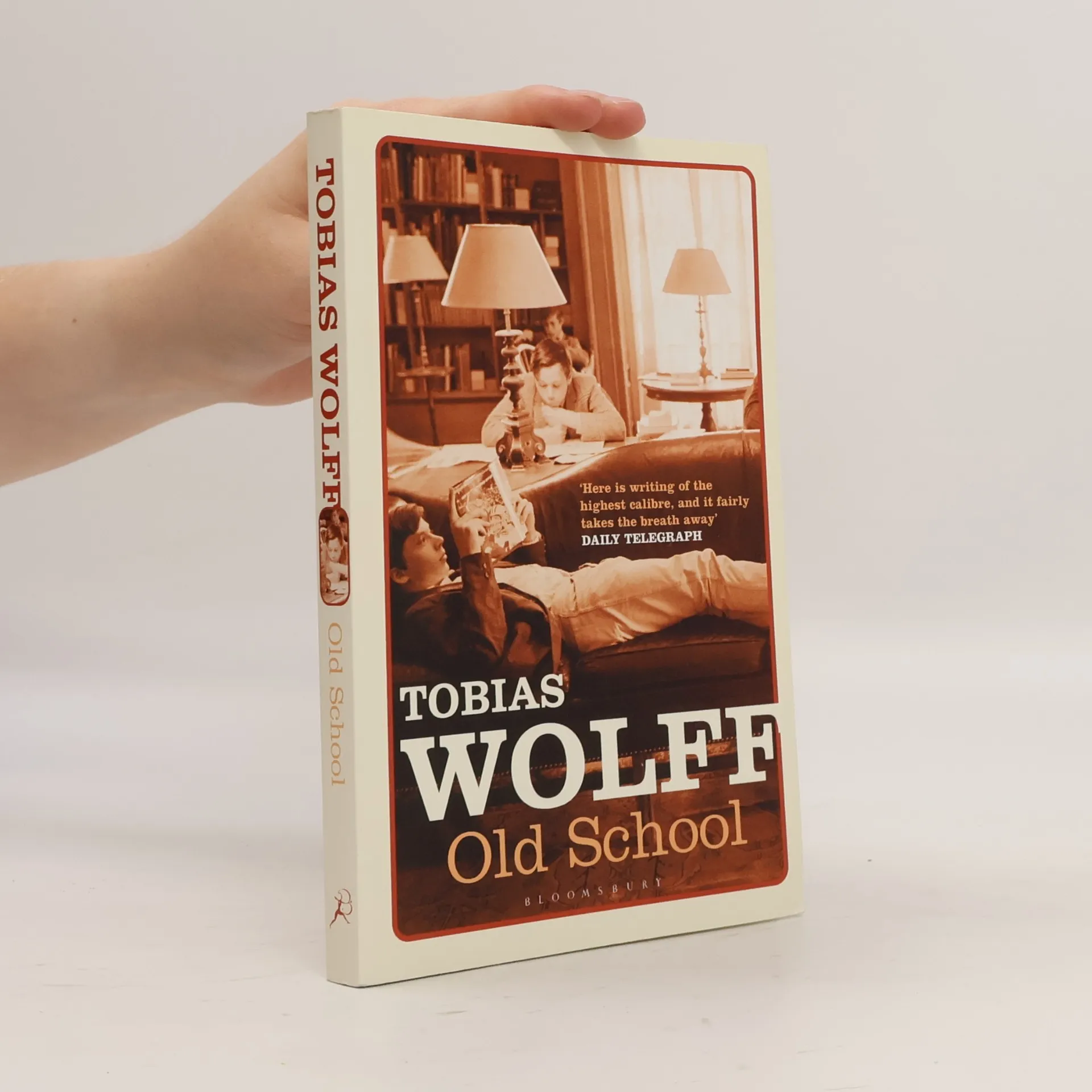
It's 1960, in America, at a prestigious boys' public school, a place of privilege that places great emphasis on its democratic ideals. A teenage boy in his final year, on a scholarship, has learned to fit in with his adoptive tribe while concealing as much as possible about himself and his background. Class is ever present, but the only acknowledged snobbery is a literary snobbery. These boys' heroes are writers - Fitzgerald, Cummings, Kerouac. They want to be writers themselves, and the school has a tradition whereby once a term big names from the literary world are invited to visit. A contest takes place with the boys admitting a piece of writing and the winner having a private audience with the visitor. When it is announced that Hemingway will be the next to come to the school, competition among the boys is intense, and the morals the school and the boys hold dear - honour, loyalty and friendship - are tested. No one writes more astutely than Wolff about the process by which character is formed, and here he illuminates the irresistible strength, even the violence, of the self-creative urge. This is a novel that, in its power and its beauty, in its precision and its humanity, is at once contemporary and timeless.




Zakup książki
Old school, Tobias Wolff
- Język

- Rok wydania
- 2005
- Oprawa
- (miękka),
- Stan książki
- Bardzo dobry
- Cena
- 28,79 zł
Metody płatności
Brakuje nam tutaj Twojej recenzji.
- Tytuł
- Old school
- Język
- angielski
- Autorzy
- Tobias Wolff
- Wydawca
- Bloomsbury, 2004
- Rok wydania
- 2005
- Oprawa
- miękka
- Liczba stron
- 208
- ISBN10
- 0747574650
- ISBN13
- 9780747574651
- Seria
- Oryginalna nazwa
- Old school
- Ocena
- 3,8 z 5
- Opis
- It's 1960, in America, at a prestigious boys' public school, a place of privilege that places great emphasis on its democratic ideals. A teenage boy in his final year, on a scholarship, has learned to fit in with his adoptive tribe while concealing as much as possible about himself and his background. Class is ever present, but the only acknowledged snobbery is a literary snobbery. These boys' heroes are writers - Fitzgerald, Cummings, Kerouac. They want to be writers themselves, and the school has a tradition whereby once a term big names from the literary world are invited to visit. A contest takes place with the boys admitting a piece of writing and the winner having a private audience with the visitor. When it is announced that Hemingway will be the next to come to the school, competition among the boys is intense, and the morals the school and the boys hold dear - honour, loyalty and friendship - are tested. No one writes more astutely than Wolff about the process by which character is formed, and here he illuminates the irresistible strength, even the violence, of the self-creative urge. This is a novel that, in its power and its beauty, in its precision and its humanity, is at once contemporary and timeless.