

Więcej o książce
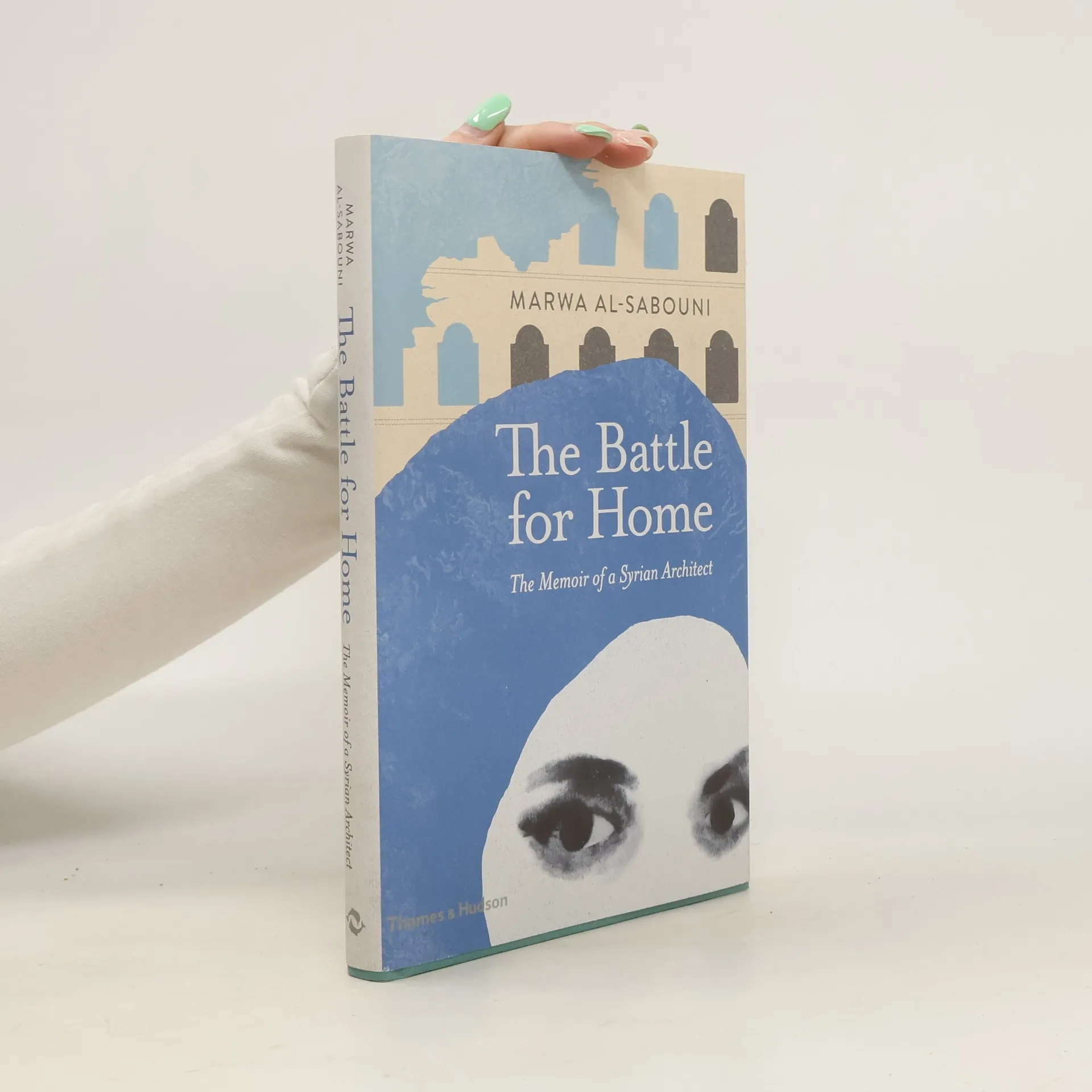
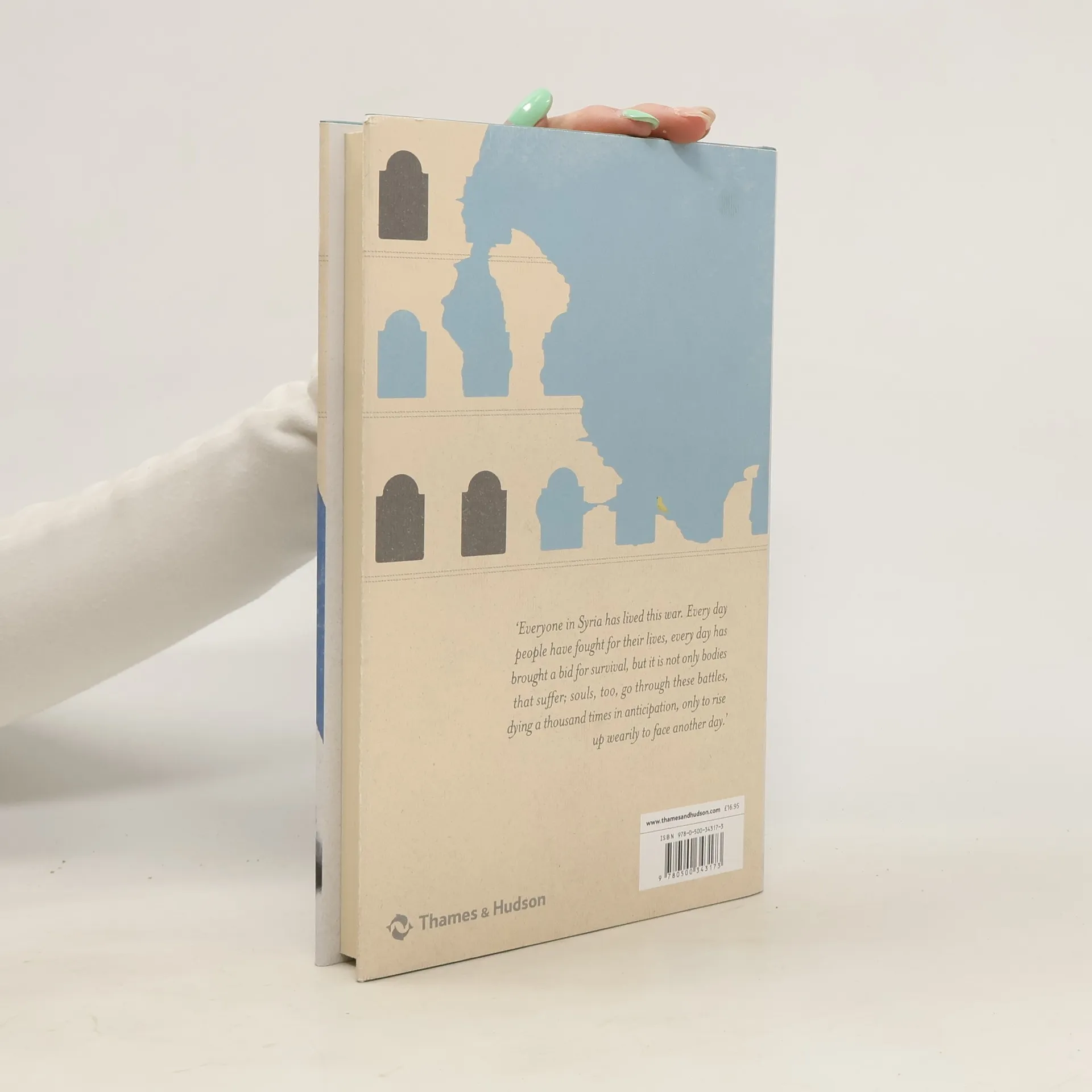
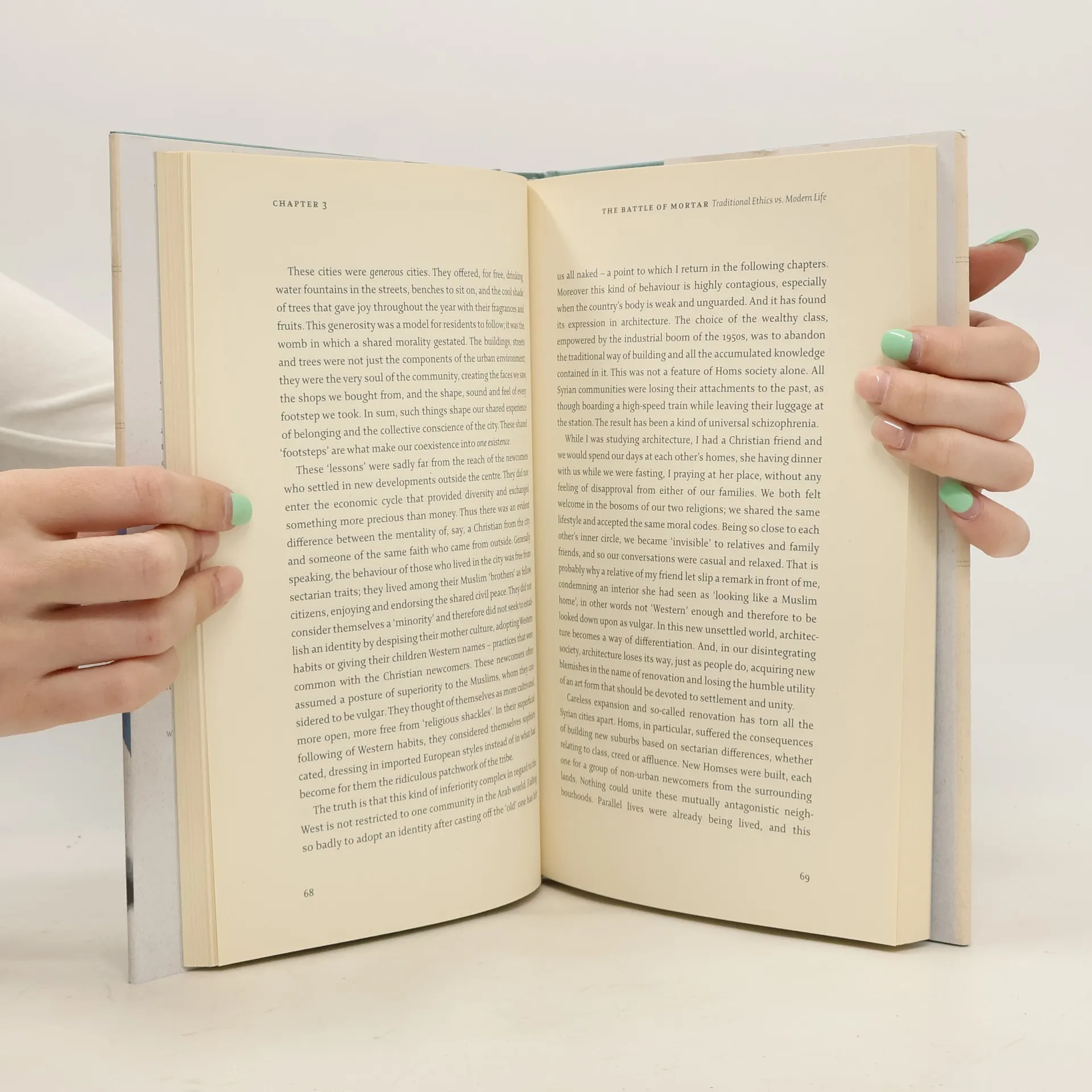
An architect’s gripping account of living and working in war-torn Syria, and the role architecture plays in whether a community crumbles or comes together Drawing on the author’s personal experience of living and working as an architect in Syria, this timely and fascinating account offers an eyewitness perspective on the country’s bitter conflict through the lens of architecture, showing how the built environment and its destruction hold up a mirror to the communities that inhabit it. From Syria’s tolerant past, with churches and mosques built alongside one another in Old Homs and members of different religions living harmoniously together, the book chronicles the recent breakdown of social cohesion in Syria’s cities. With the lack of shared public spaces intensifying divisions within the community, and corrupt officials interfering in town planning for their own gain, these actions are symptomatic of wider abuses of power. With firsthand accounts of mortar attacks and stories of refugees struggling to find a home, The Battle for Home is a compelling explanation of the personal impact of the conflict and offers hope for how architecture can play a role in rebuilding a sense of identity within a damaged society.


Zakup książki
The Battle for Home, Marwa Al-Sabouni
- Język

- Rok wydania
- 2016
- Oprawa
- (twarda)
Metody płatności
Brakuje nam tutaj Twojej recenzji.
- Tytuł
- The Battle for Home
- Język
- angielski
- Autorzy
- Marwa Al-Sabouni
- Wydawca
- Thames & Hudson
- Rok wydania
- 2016
- Oprawa
- twarda
- Liczba stron
- 183
- ISBN10
- 0500343179
- ISBN13
- 9780500343173
- Seria
- Tagi
- Architektura
- Ocena
- 3,95 z 5
- Opis
- An architect’s gripping account of living and working in war-torn Syria, and the role architecture plays in whether a community crumbles or comes together Drawing on the author’s personal experience of living and working as an architect in Syria, this timely and fascinating account offers an eyewitness perspective on the country’s bitter conflict through the lens of architecture, showing how the built environment and its destruction hold up a mirror to the communities that inhabit it. From Syria’s tolerant past, with churches and mosques built alongside one another in Old Homs and members of different religions living harmoniously together, the book chronicles the recent breakdown of social cohesion in Syria’s cities. With the lack of shared public spaces intensifying divisions within the community, and corrupt officials interfering in town planning for their own gain, these actions are symptomatic of wider abuses of power. With firsthand accounts of mortar attacks and stories of refugees struggling to find a home, The Battle for Home is a compelling explanation of the personal impact of the conflict and offers hope for how architecture can play a role in rebuilding a sense of identity within a damaged society.