

Więcej o książce
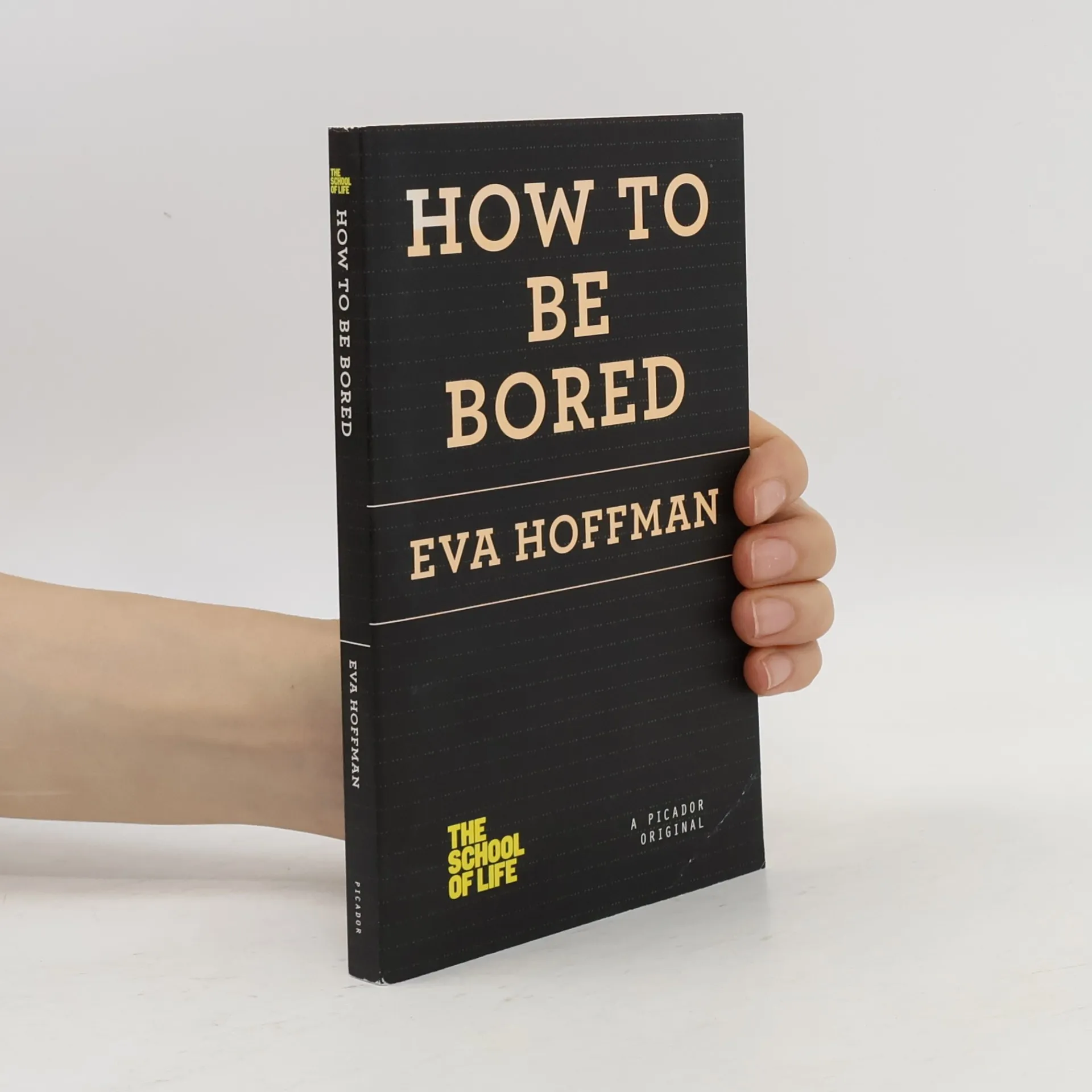
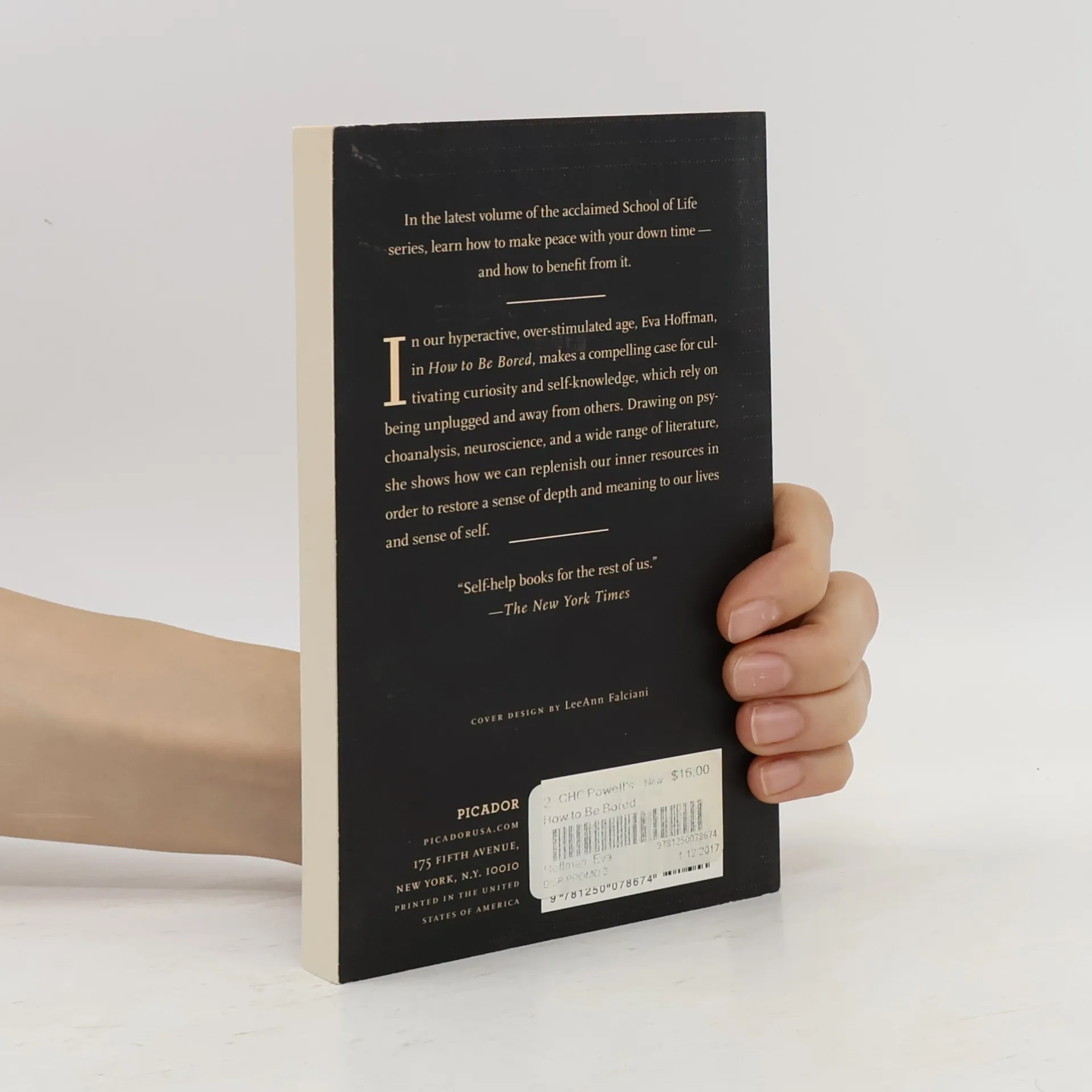
In the latest installment of the acclaimed School of Life series, learn how to make peace with your down time—and even benefit from it. Lethargic inactivity can be debilitating and depressing, but in the modern world the pendulum has swung far in the other direction. We live in a hyperactive, over-stimulated age. Uninterrupted activity can seem exciting, but it can also leave us emotionally disorientated and mentally depleted. How can we recover a sense of balance and a richness in our lives? In How to Be Bored, Eva Hoffman argues for the need to cultivate curiosity and self-knowledge and to relish moments of unplugged idleness and non-virtual contact with others. Drawing on psychoanalysis, neuroscience, and a wide range of literature, she emphasizes the need to understand our own preferences and purposes and to replenish our inner resources. This book aims to make readers more vigorously engaged in their lives and to restore a sense of depth and meaning to their experiences.


Zakup książki
How to Be Bored, Eva Hoffman
- Język

- Rok wydania
- 2017
- Oprawa
- (miękka),
- Stan książki
- Dobry
- Cena
- 37,26 zł
Metody płatności
Brakuje nam tutaj Twojej recenzji.
- Tytuł
- How to Be Bored
- Język
- angielski
- Autorzy
- Eva Hoffman
- Wydawca
- Picador
- Rok wydania
- 2017
- Oprawa
- miękka
- Liczba stron
- 174
- ISBN10
- 1250078679
- ISBN13
- 9781250078674
- Seria
- Ocena
- 3,8 z 5
- Opis
- In the latest installment of the acclaimed School of Life series, learn how to make peace with your down time—and even benefit from it. Lethargic inactivity can be debilitating and depressing, but in the modern world the pendulum has swung far in the other direction. We live in a hyperactive, over-stimulated age. Uninterrupted activity can seem exciting, but it can also leave us emotionally disorientated and mentally depleted. How can we recover a sense of balance and a richness in our lives? In How to Be Bored, Eva Hoffman argues for the need to cultivate curiosity and self-knowledge and to relish moments of unplugged idleness and non-virtual contact with others. Drawing on psychoanalysis, neuroscience, and a wide range of literature, she emphasizes the need to understand our own preferences and purposes and to replenish our inner resources. This book aims to make readers more vigorously engaged in their lives and to restore a sense of depth and meaning to their experiences.