

Parametry
- 561 stron
- 20 godzin czytania
Więcej o książce
Nazi doctors did more than conduct bizarre experiments on concentration-camp inmates; they supervised the entire process of medical mass murder, from selecting those who were to be exterminated to disposing of corpses. Lifton (The Broken Connection; The Life of the Self shows that this medically supervised killing was done in the name of ``healing,'' as part of a racist program to cleanse the Aryan body politic. After the German eugenics campaign of the 1920s for forced sterilization of the ``unfit,''it was but one step to ``euthanasia,'' which in the Nazi context meant systematic murder of Jews. Building on interviews with former Nazi physicians and their prisoners, Lifton presents a disturbing portrait of careerists who killed to overcome feelings of powerlessness. He includes a chapter on Josef Mengele and one on Eduard Wirths, the ``kind,'' ``decent'' doctor (as some inmates described him) who set up the Auschwitz death machinery. Lifton also psychoanalyzes the German people, scarred by the devastation of World War I and mystically seeking regeneration. This profound study ranks with the most insightful books on the Holocaust.



Zakup książki
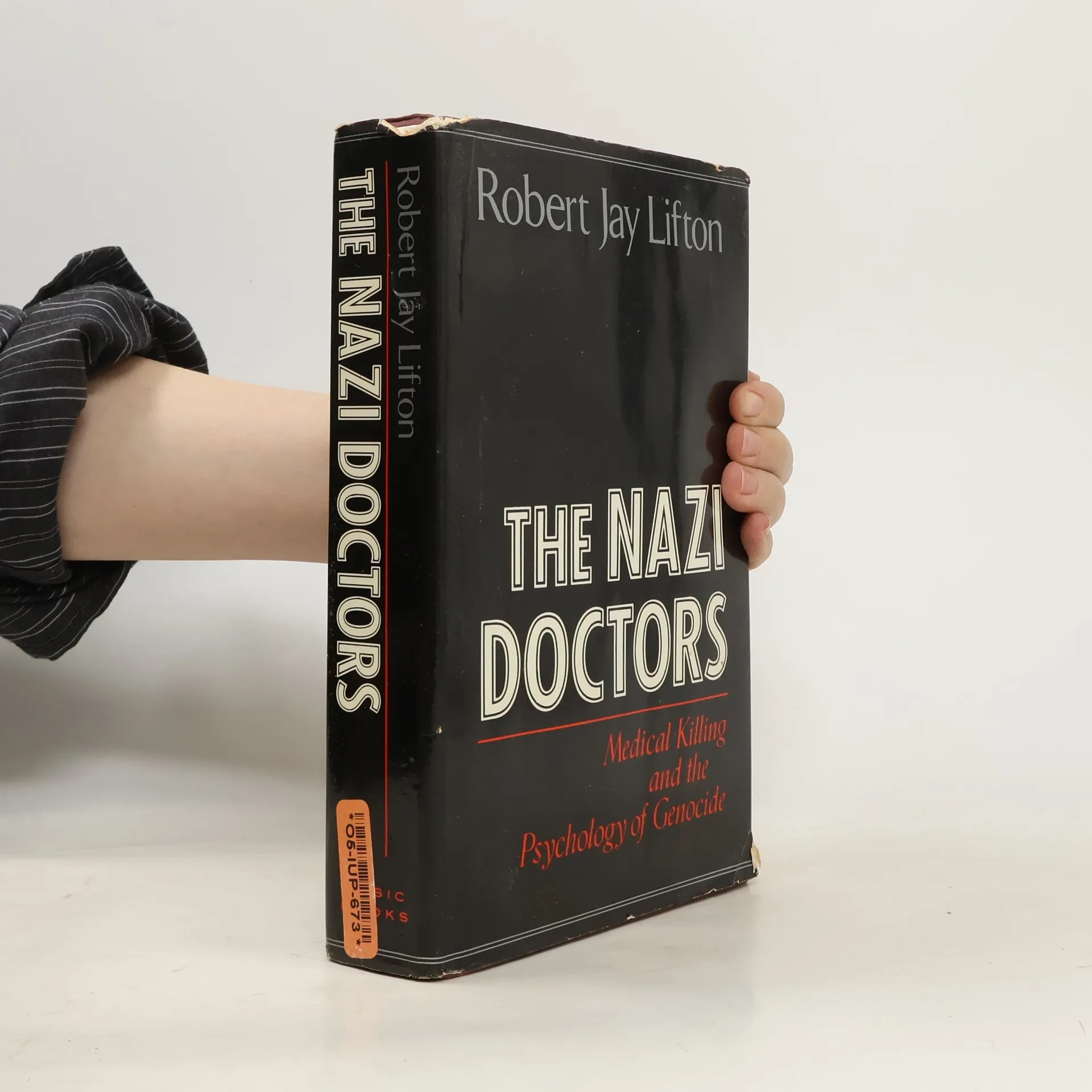
The Nazi Doctors, Robert Jay Lifton
- Język

- Rok wydania
- 1986
- Oprawa
- (twarda)
Metody płatności
Brakuje nam tutaj Twojej recenzji.
- Tytuł
- The Nazi Doctors
- Podtytuł
- Medical Killing and the Psychology of Genocide
- Język
- angielski
- Autorzy
- Robert Jay Lifton
- Wydawca
- Basic Books
- Rok wydania
- 1986
- Oprawa
- twarda
- Liczba stron
- 561
- ISBN10
- 0465049044
- ISBN13
- 9780465049042
- Seria
- Kategorie
- Tagi
- Tematy historyczne, Zdrowie & Medycyna, Tematyka psychologiczna, Tematyka medyczna, Wojny, II Wojna Światowa, Holokaust, Nazizm
- Ocena
- 4,2 z 5
- Opis
- Nazi doctors did more than conduct bizarre experiments on concentration-camp inmates; they supervised the entire process of medical mass murder, from selecting those who were to be exterminated to disposing of corpses. Lifton (The Broken Connection; The Life of the Self shows that this medically supervised killing was done in the name of ``healing,'' as part of a racist program to cleanse the Aryan body politic. After the German eugenics campaign of the 1920s for forced sterilization of the ``unfit,''it was but one step to ``euthanasia,'' which in the Nazi context meant systematic murder of Jews. Building on interviews with former Nazi physicians and their prisoners, Lifton presents a disturbing portrait of careerists who killed to overcome feelings of powerlessness. He includes a chapter on Josef Mengele and one on Eduard Wirths, the ``kind,'' ``decent'' doctor (as some inmates described him) who set up the Auschwitz death machinery. Lifton also psychoanalyzes the German people, scarred by the devastation of World War I and mystically seeking regeneration. This profound study ranks with the most insightful books on the Holocaust.