


Więcej o książce
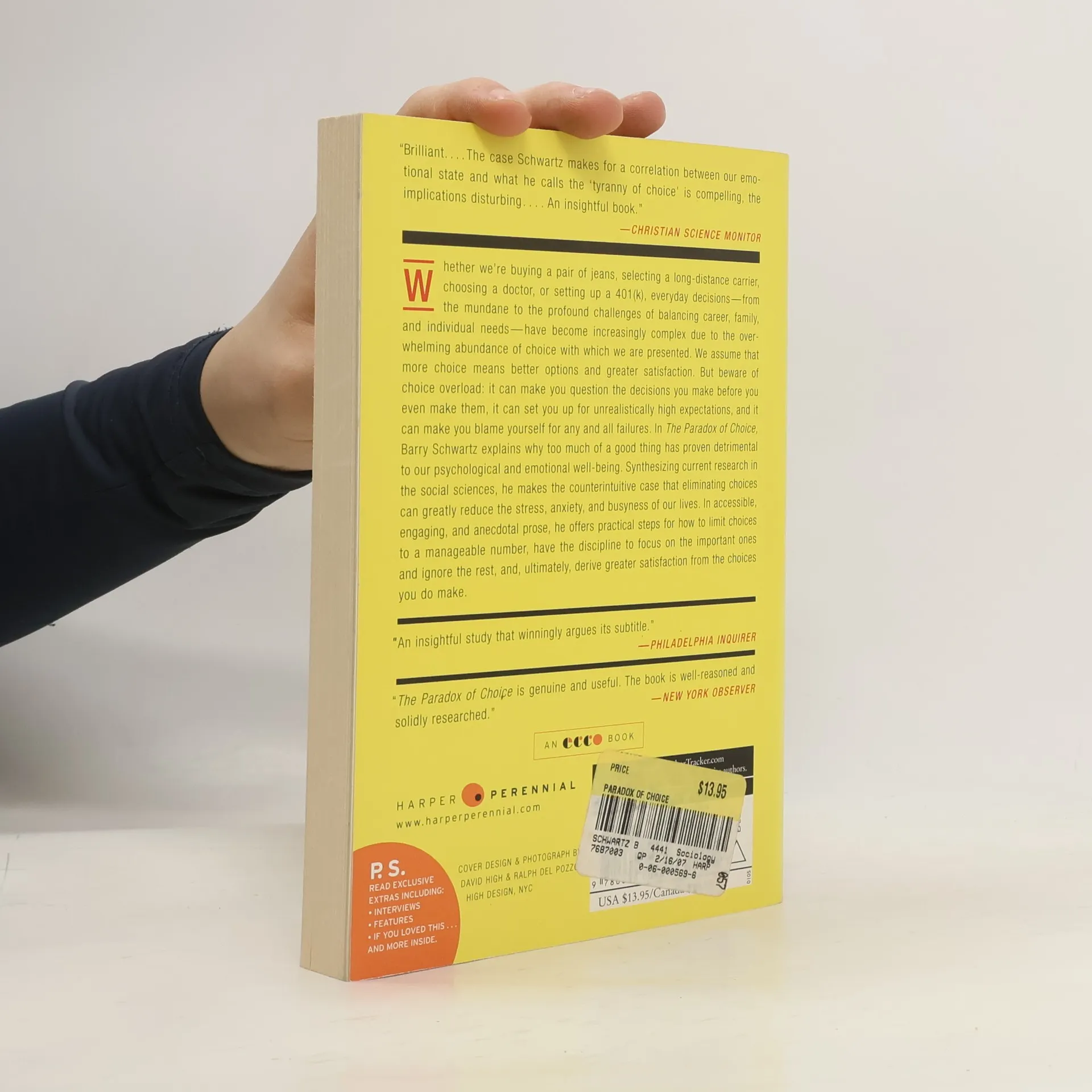
Everyday decisions, from buying jeans to choosing a doctor, have become increasingly complex due to the overwhelming abundance of choices available. While we often believe that more options lead to better satisfaction, excessive choice can lead to decision-making paralysis, anxiety, and stress. This phenomenon can create unrealistic expectations and self-blame for any failures, ultimately contributing to a culture of perfectionism that can result in clinical depression. The author explores how the explosion of choice, rather than enhancing our freedom and self-determination, has become detrimental to our psychological well-being. Through engaging anecdotes and accessible prose, he illustrates how our obsession with choice often leads to negative feelings. By synthesizing social science research, he argues that reducing choices can alleviate stress and anxiety. The author provides eleven practical steps to help limit choices to a manageable number, focus on what truly matters, and find greater satisfaction in decision-making. This approach encourages a healthier relationship with choice, promoting emotional well-being in a world that often overwhelms us with options.



Zakup książki
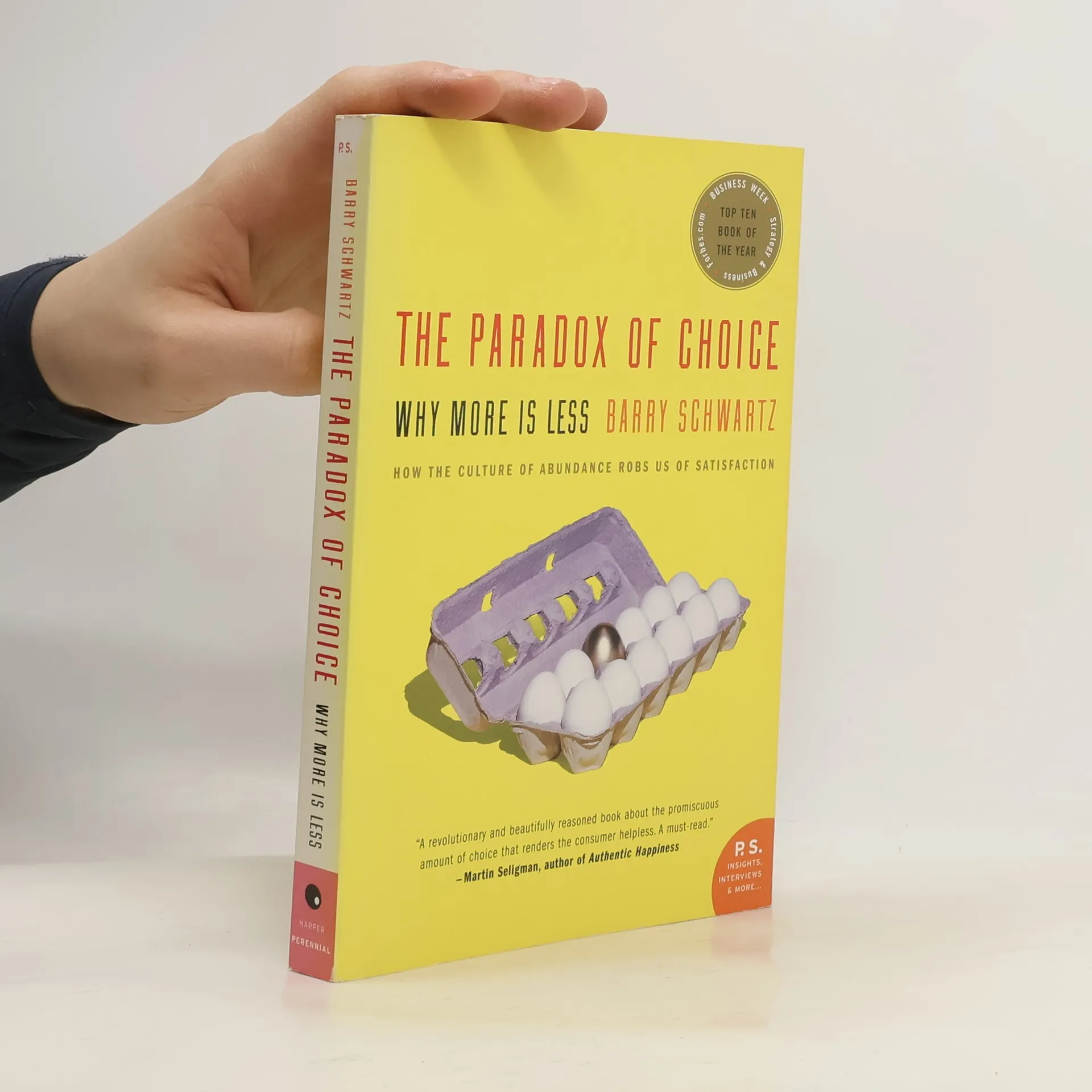
The Paradox of Choice, Barry Schwartz
- Język

- Rok wydania
- 2003
- Oprawa
- (twarda)
Metody płatności
Brakuje nam tutaj Twojej recenzji.
- Tytuł
- The Paradox of Choice
- Podtytuł
- Why More Is Less
- Język
- angielski
- Autorzy
- Barry Schwartz
- Wydawca
- Ecco
- Rok wydania
- 2003
- Oprawa
- twarda
- Liczba stron
- 288
- ISBN10
- 0060005688
- ISBN13
- 9780060005689
- Seria
- Kategorie
- Oryginalna nazwa
- The paradox of choice
- Ocena
- 3,85 z 5
- Opis
- Everyday decisions, from buying jeans to choosing a doctor, have become increasingly complex due to the overwhelming abundance of choices available. While we often believe that more options lead to better satisfaction, excessive choice can lead to decision-making paralysis, anxiety, and stress. This phenomenon can create unrealistic expectations and self-blame for any failures, ultimately contributing to a culture of perfectionism that can result in clinical depression. The author explores how the explosion of choice, rather than enhancing our freedom and self-determination, has become detrimental to our psychological well-being. Through engaging anecdotes and accessible prose, he illustrates how our obsession with choice often leads to negative feelings. By synthesizing social science research, he argues that reducing choices can alleviate stress and anxiety. The author provides eleven practical steps to help limit choices to a manageable number, focus on what truly matters, and find greater satisfaction in decision-making. This approach encourages a healthier relationship with choice, promoting emotional well-being in a world that often overwhelms us with options.