






Parametry
- 369 stron
- 13 godzin czytania
Więcej o książce
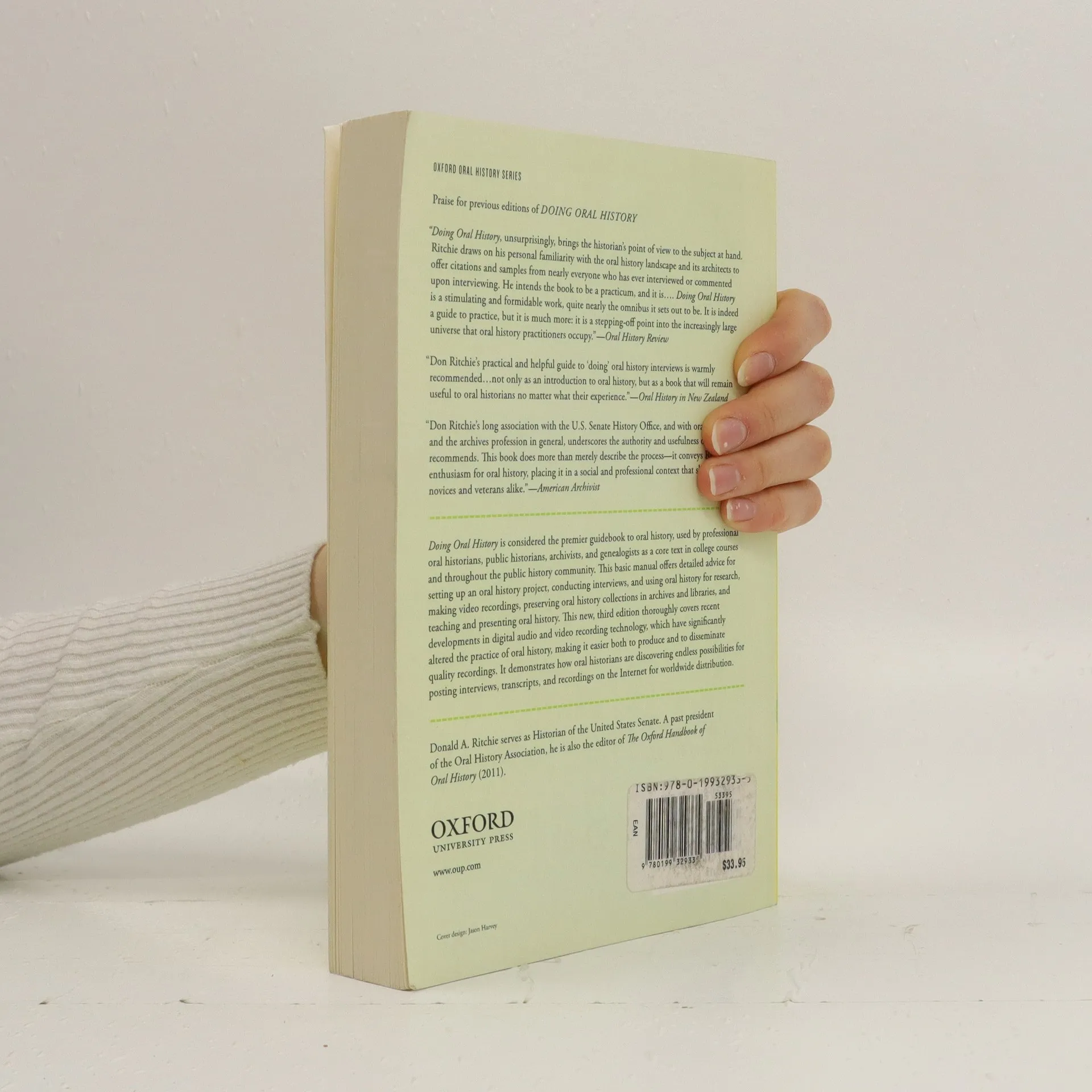
This guidebook is a leading resource for oral history, utilized by professional historians, archivists, and genealogists in academic settings and public history. This manual provides comprehensive guidance on initiating oral history projects, conducting interviews, and preserving collections. The updated edition features a Q&A format with new questions and enriched content in several key areas: 1. **Technology**: It evaluates various recording, transcription, and preservation technologies without endorsing specific equipment, and expands on online sharing practices of oral history projects. 2. **Teaching**: It addresses the integration of oral history in online education and updates information on Institutional Review Boards (IRBs) regarding compliance. 3. **Presentation**: New creative presentation opportunities, including interpretive dance and public performances, are explored. 4. **Legal considerations**: The edition discusses recent legal cases affecting donor restrictions, providing relevant case studies. 5. **Theory and Memory**: While primarily practical, it now includes insights into memory theory and addresses trauma in interviews. 6. **Internationalism**: The guide reflects the global expansion of oral history projects, particularly in regions exp


Zakup książki
Doing oral history, Donald A. Ritchie
- Język

- Rok wydania
- 2015
Metody płatności
Brakuje nam tutaj Twojej recenzji.
- Tytuł
- Doing oral history
- Język
- angielski
- Autorzy
- Donald A. Ritchie
- Wydawca
- Oxford University Press
- Rok wydania
- 2015
- Liczba stron
- 369
- ISBN10
- 0199329346
- ISBN13
- 9780199329342
- Seria
- Kolekcja
- Oxford oral history series.
- Kategorie
- Tagi
- Tematy historyczne, Podręczniki, Edukacja & Szkolnictwo, Podręczniki do historii, Studia podyplomowe, Historia ustna, Bibliotekoznawstwo & Bibliotekarstwo
- Ocena
- 4,1 z 5
- Opis
- This guidebook is a leading resource for oral history, utilized by professional historians, archivists, and genealogists in academic settings and public history. This manual provides comprehensive guidance on initiating oral history projects, conducting interviews, and preserving collections. The updated edition features a Q&A format with new questions and enriched content in several key areas: 1. **Technology**: It evaluates various recording, transcription, and preservation technologies without endorsing specific equipment, and expands on online sharing practices of oral history projects. 2. **Teaching**: It addresses the integration of oral history in online education and updates information on Institutional Review Boards (IRBs) regarding compliance. 3. **Presentation**: New creative presentation opportunities, including interpretive dance and public performances, are explored. 4. **Legal considerations**: The edition discusses recent legal cases affecting donor restrictions, providing relevant case studies. 5. **Theory and Memory**: While primarily practical, it now includes insights into memory theory and addresses trauma in interviews. 6. **Internationalism**: The guide reflects the global expansion of oral history projects, particularly in regions exp