

Wyprzedane, ale poszukiwane!
Więcej o książce
Thruout his career Feuchtwanger was drawn to the theme of Jewishness. In his Josephus Trilogy (Josephus, '32; The Jew of Rome, '35; & Josephus & the Emperor, or The Day Will Come, '42) he deals with the theme of nationalism versus cosmopolitanism by describing the development of Flavius Josephus, a Jewish historian of the 1st century. Toward the his life's end he took up the theme by writing about Raquel, the Jewess of Toledo ('55), who for seven years prevented Alfonso VIII of Castile from warring against the Moors. In Jefta & His Daughter ('57) he wrote about a man from the Hebrew bible who kept an oath to god by sacrificing his daughter.



Zakup książki
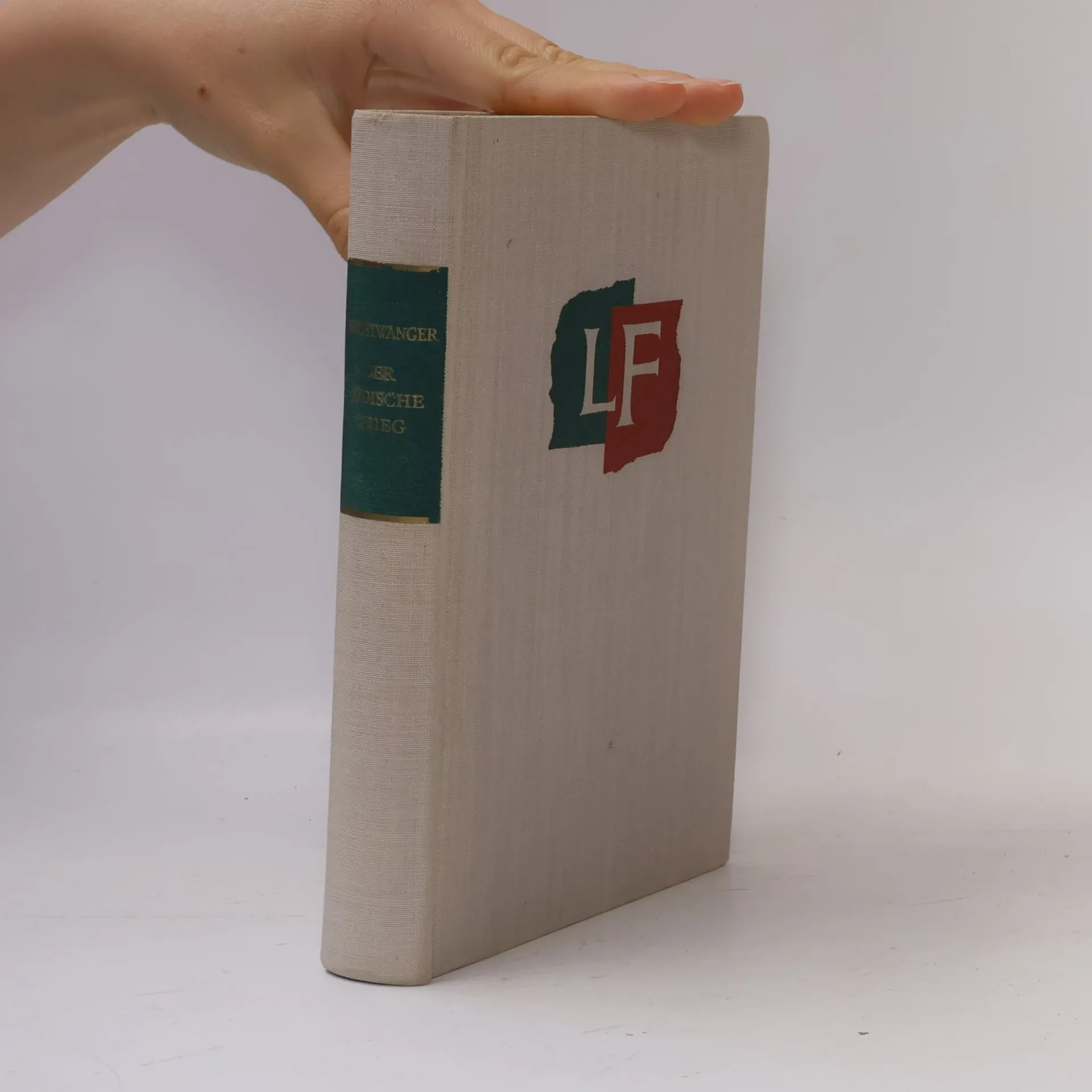
Der jüdische Krieg, Lion Feuchtwanger
- Język

- Rok wydania
- 1959
- Oprawa
- (twarda)
Jak tylko się pojawi, wyślemy Ci wiadomość e-mail.
Metody płatności
Brakuje nam tutaj Twojej recenzji.
- Tytuł
- Der jüdische Krieg
- Język
- niemiecki
- Autorzy
- Lion Feuchtwanger
- Wydawca
- Aufbau-Verlag Berlin
- Rok wydania
- 1959
- Oprawa
- twarda
- Seria
- The Josephus Trilogy
- Tagi
- Literatura niemiecka, Południowa Europa, Włochy, Starożytność, Żydzi, Egipt, Izrael, Starożytny Rzym, Palestyna, I wiek
- Pierwsze wydanie
- 1959
- Oryginalna nazwa
- Der Tag wird kommen
- Ocena
- 4,6 z 5
- Opis
- Thruout his career Feuchtwanger was drawn to the theme of Jewishness. In his Josephus Trilogy (Josephus, '32; The Jew of Rome, '35; & Josephus & the Emperor, or The Day Will Come, '42) he deals with the theme of nationalism versus cosmopolitanism by describing the development of Flavius Josephus, a Jewish historian of the 1st century. Toward the his life's end he took up the theme by writing about Raquel, the Jewess of Toledo ('55), who for seven years prevented Alfonso VIII of Castile from warring against the Moors. In Jefta & His Daughter ('57) he wrote about a man from the Hebrew bible who kept an oath to god by sacrificing his daughter.