

Parametry
- 164 strony
- 6 godzin czytania
Więcej o książce
Another internationally acclaimed writer contributes a fascinating, compelling reinterpretation of a myth that resonates deeply today. Ligdus and Telethusa are having a child, but they cannot afford to have a girl. Ligdus informs Telethusa that she had better hope for a boy. While this decision makes them both sad, Telethusa "must/obey." She prays to Isis, but births a girl and names her Iphis, a name that "suited male or female-/a neutral name." She convinces everyone, including Ligdus, that Iphis is a boy. Iphis matures and falls in love with another girl, Ianthe, and is engaged for marriage, yet s/he is ruled by the sexual norms of the time: "[P]ossessed by love so strange . . . no female wants/a female!" but "no learned art-can ever make of me/a boy." She attempts to reconcile her love for Ianthe against the pressures of "nature." The wedding day is near, Telethusa is desperate, and prays again to Isis. Iphis is transformed, looking like a boy. Is Ovid suggesting that what we think is nature is attitude? Does Iphis grow a penis? Or does Iphis, adopting the characteristics of a boy, remain a girl married to a girl, undermining traditional values? "From the Hardcover edition."





Zakup książki
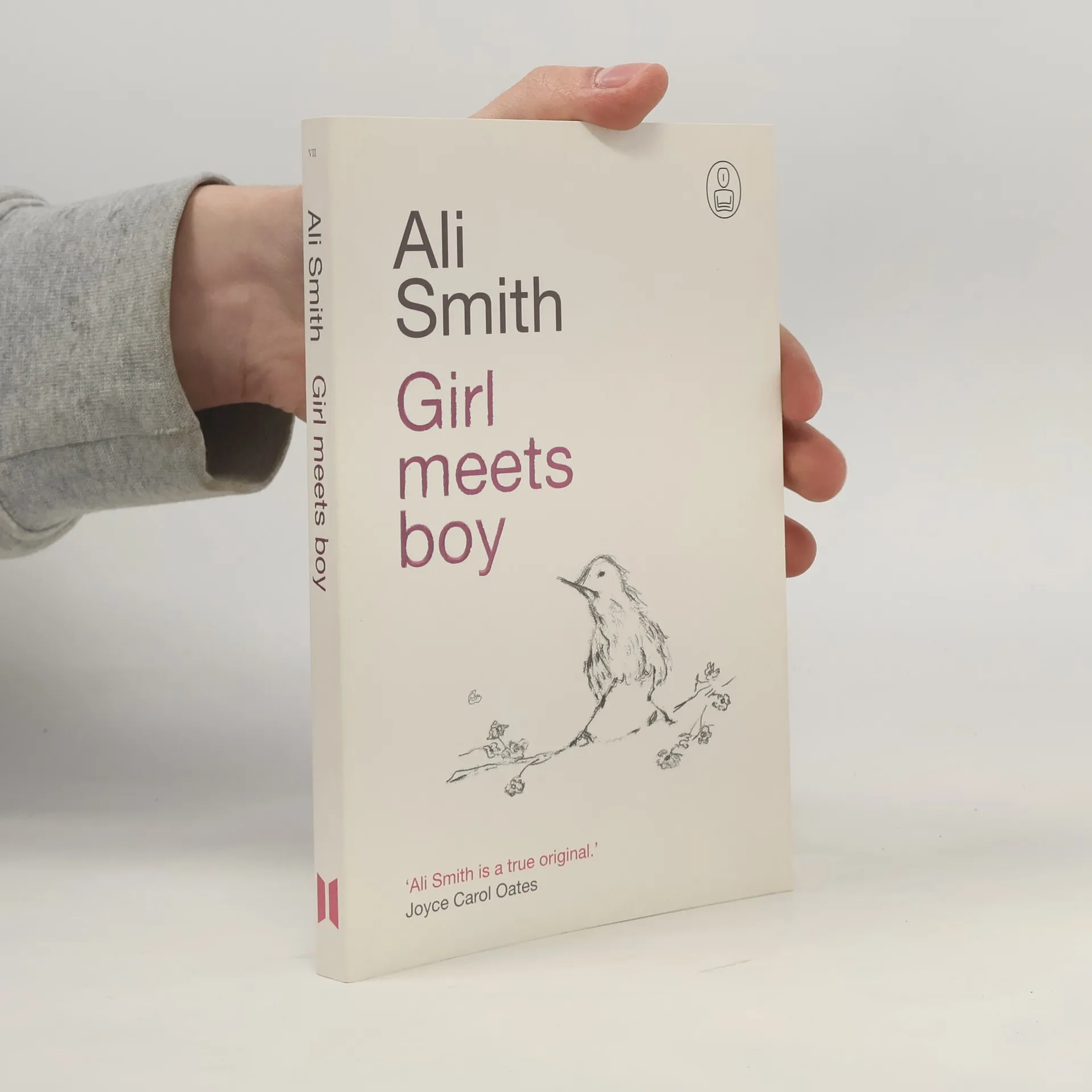
Girl Meets Boy, Ali Smith
- Język

- Rok wydania
- 2007
- Oprawa
- (miękka)
Metody płatności
Brakuje nam tutaj Twojej recenzji.
- Tytuł
- Girl Meets Boy
- Podtytuł
- The Myth of Iphis
- Język
- angielski
- Autorzy
- Ali Smith
- Wydawca
- Canongate Books Ltd
- Rok wydania
- 2007
- Oprawa
- miękka
- Liczba stron
- 164
- ISBN10
- 1841958700
- ISBN13
- 9781841958705
- Seria
- Kategorie
- Oryginalna nazwa
- Girl meets boy
- Ocena
- 3,8 z 5
- Opis
- Another internationally acclaimed writer contributes a fascinating, compelling reinterpretation of a myth that resonates deeply today. Ligdus and Telethusa are having a child, but they cannot afford to have a girl. Ligdus informs Telethusa that she had better hope for a boy. While this decision makes them both sad, Telethusa "must/obey." She prays to Isis, but births a girl and names her Iphis, a name that "suited male or female-/a neutral name." She convinces everyone, including Ligdus, that Iphis is a boy. Iphis matures and falls in love with another girl, Ianthe, and is engaged for marriage, yet s/he is ruled by the sexual norms of the time: "[P]ossessed by love so strange . . . no female wants/a female!" but "no learned art-can ever make of me/a boy." She attempts to reconcile her love for Ianthe against the pressures of "nature." The wedding day is near, Telethusa is desperate, and prays again to Isis. Iphis is transformed, looking like a boy. Is Ovid suggesting that what we think is nature is attitude? Does Iphis grow a penis? Or does Iphis, adopting the characteristics of a boy, remain a girl married to a girl, undermining traditional values? "From the Hardcover edition."