


Więcej o książce
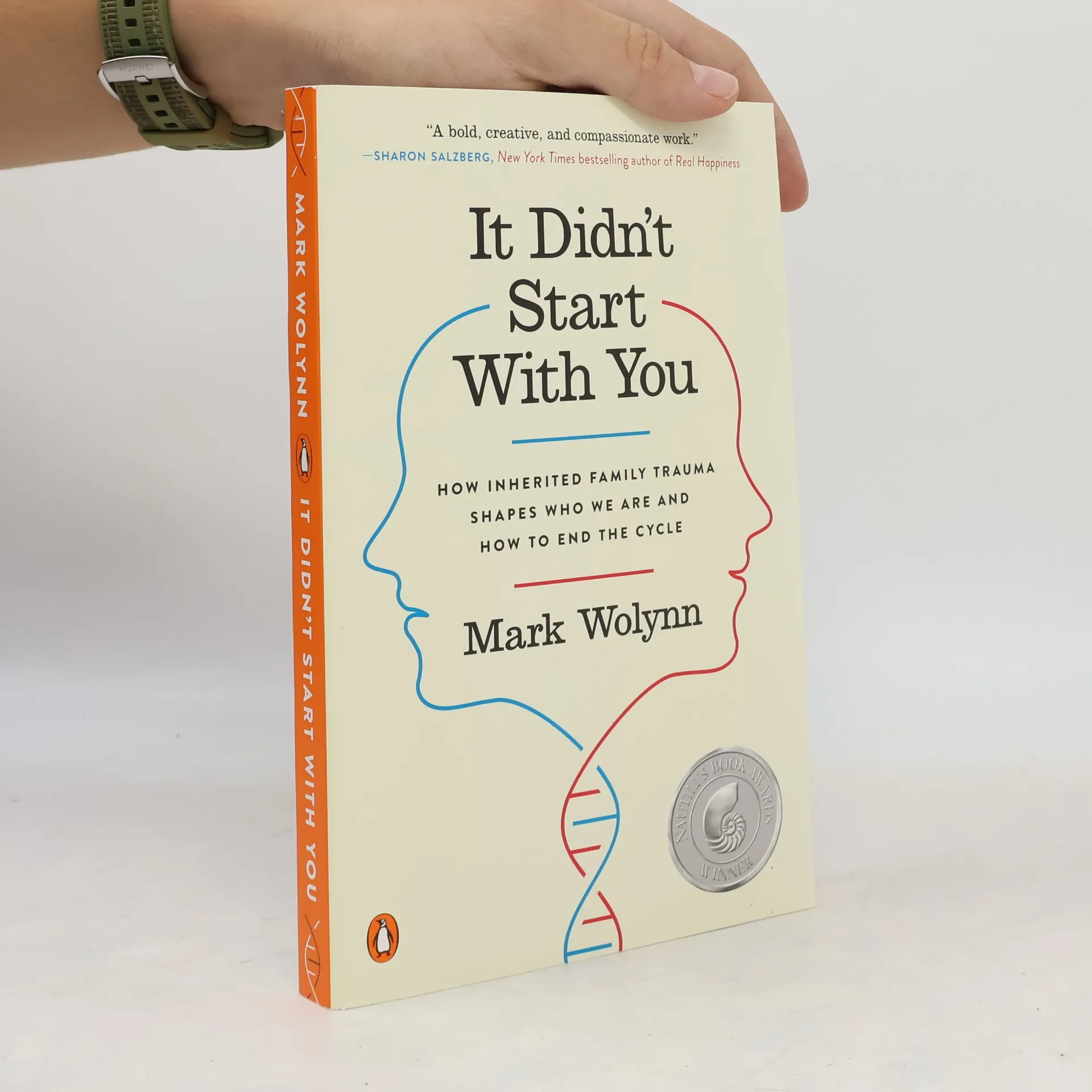
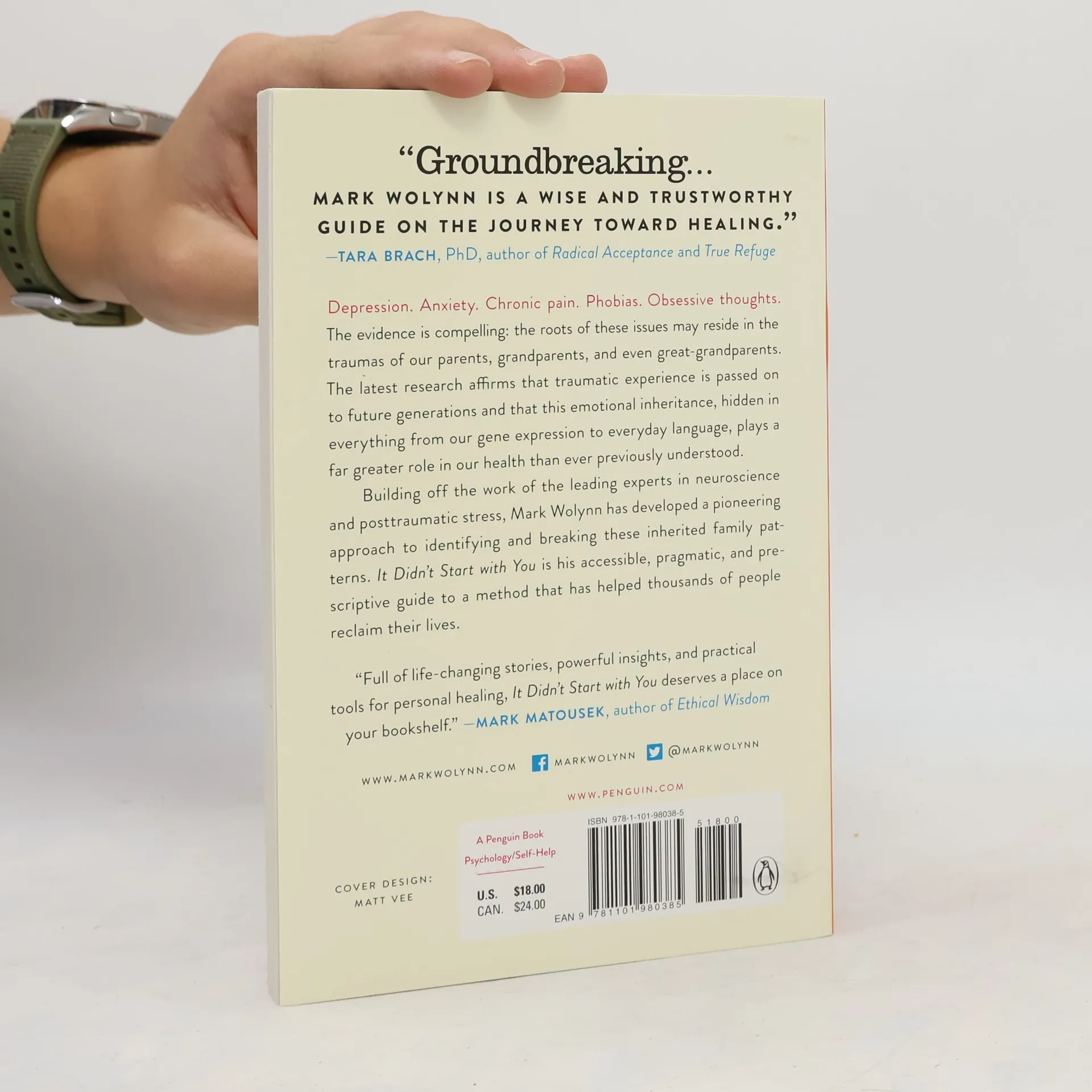
This groundbreaking work offers a transformative approach to addressing traumatic legacies that are passed down through generations. It explores how issues like depression, anxiety, chronic pain, and phobias may stem not from our own experiences but from the unresolved traumas of our ancestors. Recent scientific research supports the notion that these traumatic experiences can be inherited, affecting our emotional and physical health in profound ways. The author, a pioneer in inherited family trauma, draws on insights from leading experts in post-traumatic stress to illustrate how memories and emotions can persist even when the original trauma has been forgotten or silenced. The book presents a pragmatic guide to the Core Language Approach, which includes diagnostic self-inventories to reveal fears and anxieties embedded in our language and behaviors. It also offers techniques for creating a genogram to trace family experiences across generations. Through visualization, active imagination, and direct dialogue, readers can reconnect with their emotional legacies, fostering integration and healing. This innovative method aims to resolve deep-seated difficulties that traditional therapies may not fully address, providing a pathway to reclaiming life and health.




Zakup książki
It Didn't Start With You, Mark Wolynn
- Język

- Rok wydania
- 2017
- Oprawa
- (miękka),
- Stan książki
- Bardzo dobry
- Cena
- 53,42 zł
Metody płatności
Brakuje nam tutaj Twojej recenzji.
- Tytuł
- It Didn't Start With You
- Język
- angielski
- Autorzy
- Mark Wolynn
- Wydawca
- Penguin Books
- Rok wydania
- 2017
- Oprawa
- miękka
- Liczba stron
- 256
- ISBN10
- 1101980389
- ISBN13
- 9781101980385
- Seria
- Tagi
- Zdrowie & Medycyna, Tematyka psychologiczna, Zdrowie, Relacje, Zdrowie psychiczne, Relacje rodzinne, Samopoznanie, Depresja, Traumy psychiczne
- Pierwsze wydanie
- 2016
- Oryginalna nazwa
- It Didn't Start with You
- Ocena
- 3,65 z 5
- Opis
- This groundbreaking work offers a transformative approach to addressing traumatic legacies that are passed down through generations. It explores how issues like depression, anxiety, chronic pain, and phobias may stem not from our own experiences but from the unresolved traumas of our ancestors. Recent scientific research supports the notion that these traumatic experiences can be inherited, affecting our emotional and physical health in profound ways. The author, a pioneer in inherited family trauma, draws on insights from leading experts in post-traumatic stress to illustrate how memories and emotions can persist even when the original trauma has been forgotten or silenced. The book presents a pragmatic guide to the Core Language Approach, which includes diagnostic self-inventories to reveal fears and anxieties embedded in our language and behaviors. It also offers techniques for creating a genogram to trace family experiences across generations. Through visualization, active imagination, and direct dialogue, readers can reconnect with their emotional legacies, fostering integration and healing. This innovative method aims to resolve deep-seated difficulties that traditional therapies may not fully address, providing a pathway to reclaiming life and health.