


Parametry
- 464 strony
- 17 godzin czytania
Więcej o książce
The pressing question in today's world is the true nature of Vladimir Putin and his intentions. Karen Dawisha's insightful examination reveals how Putin rose to power, the network he established, the vast wealth they have amassed, and his ambitions to restore Greater Russia. Dawisha uncovers the roots of Putin's kleptocratic regime, presenting new evidence of how his circle exploited public positions for personal enrichment even before he became president in 2000. She details the creation of Bank Rossiya, now under US sanctions; the emergence of the Ozero cooperative, founded by Putin and associates facing visa bans and asset freezes; and the connections between Putin, Petromed, and his opulent palace near Sochi. Additionally, she highlights the involvement of security officials from Putin's KGB tenure in Leningrad and Dresden, many of whom have retained ties to Russian organized crime. This work stems from years of research into the KGB and Russian crime syndicates, drawing on diverse sources, including Stasi archives, Russian insiders, and investigative journalists from various countries. Some Russian journalists contributed to this narrative when the media was still free, but many faced dire consequences for their work, which has been largely erased from the Internet and Russian libraries. Nonetheless, remnants of their efforts endure.


Zakup książki
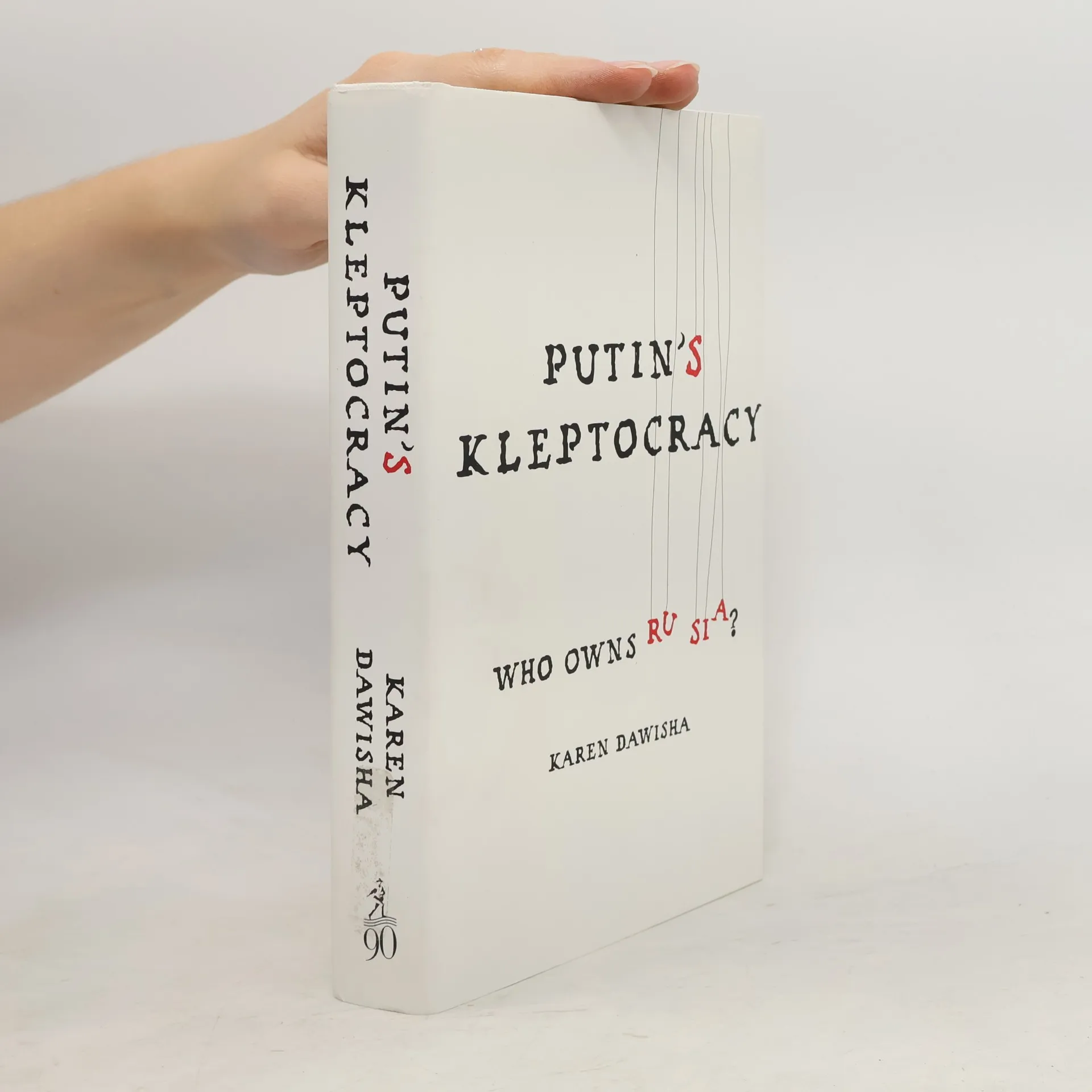
Putin's Kleptocracy, Karen Dawisha
- Język

- Rok wydania
- 2014
- Oprawa
- (twarda),
- Stan książki
- Bardzo dobry
- Cena
- 47,96 zł
Metody płatności
Brakuje nam tutaj Twojej recenzji.
- Tytuł
- Putin's Kleptocracy
- Podtytuł
- Who Owns Russia?
- Język
- angielski
- Autorzy
- Karen Dawisha
- Wydawca
- Simon and Schuster
- Rok wydania
- 2014
- Oprawa
- twarda
- Liczba stron
- 464
- ISBN10
- 1476795193
- ISBN13
- 9781476795195
- Seria
- Kategorie
- Tagi
- Tematy historyczne, Biznes, Polityka, Rosja, Korupcja, Historia Rosji, Zorganizowana przestępczość, KGB, Władimir Putin
- Ocena
- 4,05 z 5
- Opis
- The pressing question in today's world is the true nature of Vladimir Putin and his intentions. Karen Dawisha's insightful examination reveals how Putin rose to power, the network he established, the vast wealth they have amassed, and his ambitions to restore Greater Russia. Dawisha uncovers the roots of Putin's kleptocratic regime, presenting new evidence of how his circle exploited public positions for personal enrichment even before he became president in 2000. She details the creation of Bank Rossiya, now under US sanctions; the emergence of the Ozero cooperative, founded by Putin and associates facing visa bans and asset freezes; and the connections between Putin, Petromed, and his opulent palace near Sochi. Additionally, she highlights the involvement of security officials from Putin's KGB tenure in Leningrad and Dresden, many of whom have retained ties to Russian organized crime. This work stems from years of research into the KGB and Russian crime syndicates, drawing on diverse sources, including Stasi archives, Russian insiders, and investigative journalists from various countries. Some Russian journalists contributed to this narrative when the media was still free, but many faced dire consequences for their work, which has been largely erased from the Internet and Russian libraries. Nonetheless, remnants of their efforts endure.