

Więcej o książce
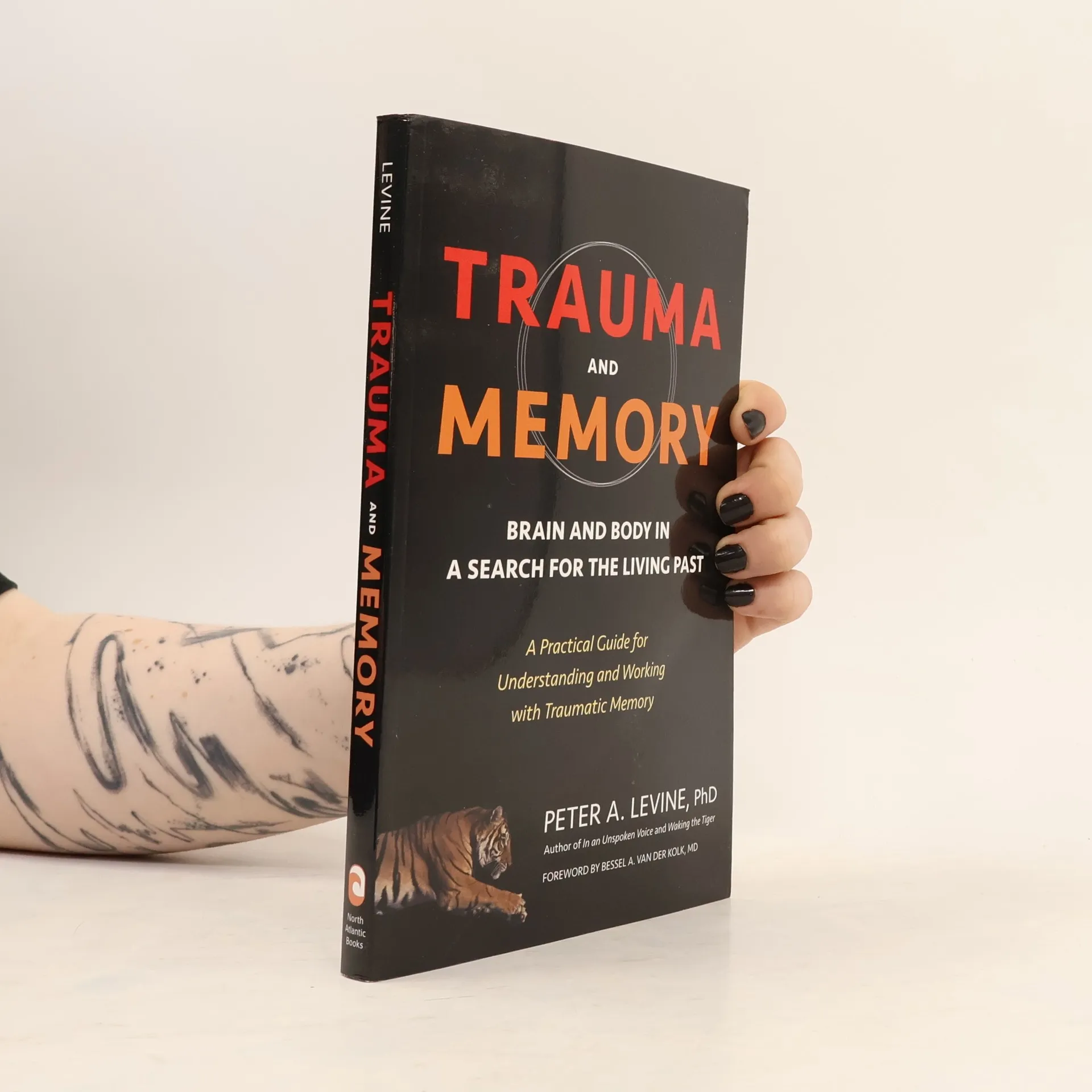
In Trauma and Memory, bestselling author Dr. Peter Levine, creator of the Somatic Experiencing approach, addresses a critical question in PTSD and trauma therapy: Can we trust our memories? The debate centers on whether traumatic memories are unreliable or essential for understanding past experiences. Drawing from 45 years of trauma treatment and case studies, Dr. Levine finds truth in both perspectives. He asserts that while some memories can be trusted, the most valuable ones may appear unreliable—those stored in the body, often beyond conscious awareness. While much research has focused on 'explicit' traumatic memories in the brain, such as intrusive thoughts or flashbacks, less attention has been given to 'implicit' memories stored in the body and how our felt sense shapes what we consider memory. By exploring this complex relationship between past experiences and present sensations, individuals can transform their connection to trauma and achieve a more balanced state of being. This groundbreaking work is essential for trauma survivors and mental health practitioners alike, offering insights into how memory influences our current lives.


Zakup książki
Trauma And Memory, Peter A. Levine
- Język

- Rok wydania
- 2015
- Oprawa
- (miękka)
Metody płatności
Brakuje nam tutaj Twojej recenzji.
- Tytuł
- Trauma And Memory
- Język
- angielski
- Autorzy
- Peter A. Levine
- Wydawca
- North Atlantic Books,U.S.
- Rok wydania
- 2015
- Oprawa
- miękka
- Liczba stron
- 181
- ISBN10
- 1583949941
- ISBN13
- 9781583949948
- Seria
- Pierwsze wydanie
- 2015
- Oryginalna nazwa
- Trauma and memory
- Ocena
- 4,25 z 5
- Opis
- In Trauma and Memory, bestselling author Dr. Peter Levine, creator of the Somatic Experiencing approach, addresses a critical question in PTSD and trauma therapy: Can we trust our memories? The debate centers on whether traumatic memories are unreliable or essential for understanding past experiences. Drawing from 45 years of trauma treatment and case studies, Dr. Levine finds truth in both perspectives. He asserts that while some memories can be trusted, the most valuable ones may appear unreliable—those stored in the body, often beyond conscious awareness. While much research has focused on 'explicit' traumatic memories in the brain, such as intrusive thoughts or flashbacks, less attention has been given to 'implicit' memories stored in the body and how our felt sense shapes what we consider memory. By exploring this complex relationship between past experiences and present sensations, individuals can transform their connection to trauma and achieve a more balanced state of being. This groundbreaking work is essential for trauma survivors and mental health practitioners alike, offering insights into how memory influences our current lives.