


Więcej o książce
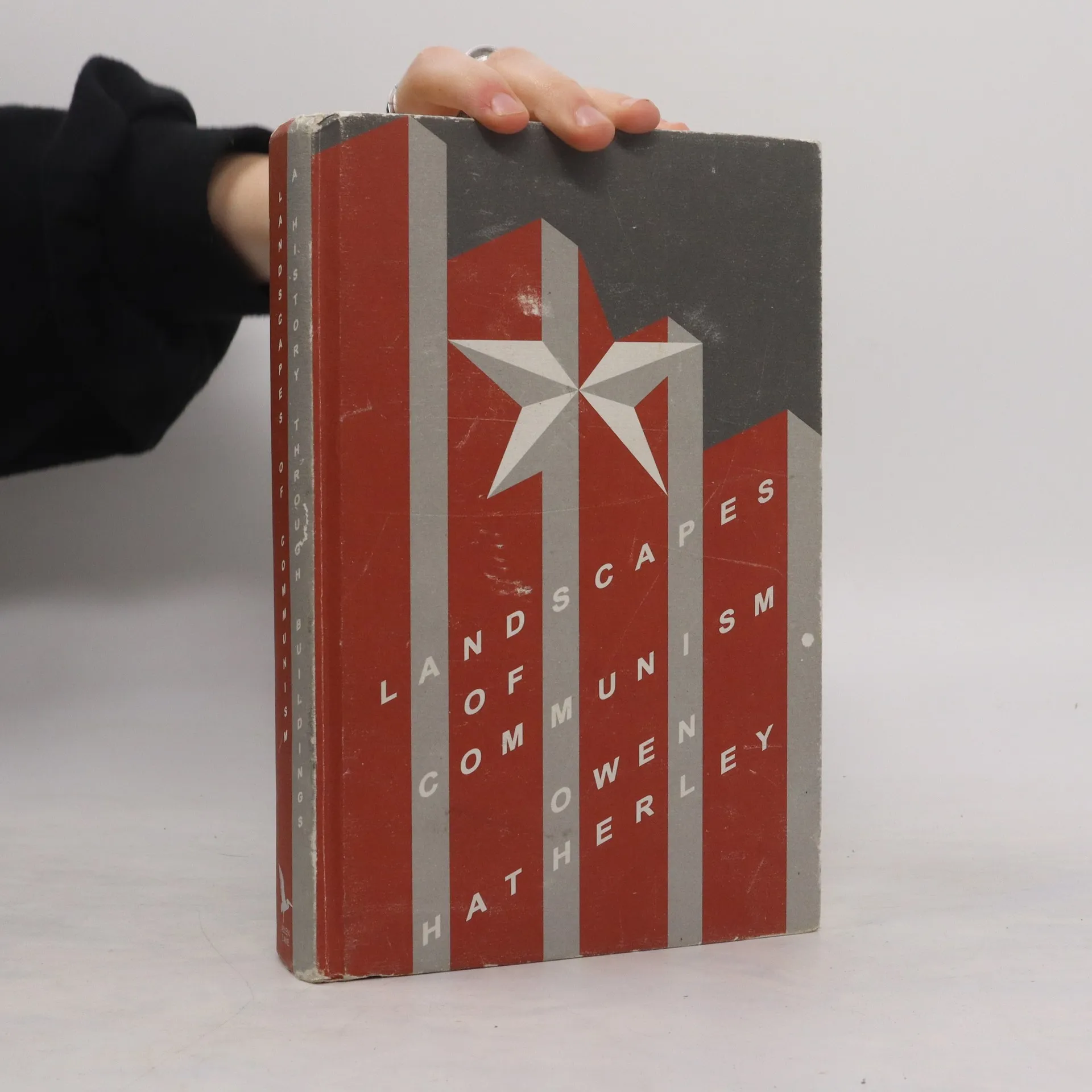
In the realm of architectural criticism, Hatherley stands out as a courageous, insightful, and scholarly writer who examines the contemporary built environment, revealing the political fantasies and social realities it embodies. Throughout the twentieth century, communism reshaped Eastern European cities, transforming urban planning to reflect its ideals. The sweeping boulevards, towering high-rises, and expansive housing estates served as bold declarations of a non-capitalist vision. Although the regimes that constructed these structures have vanished, their legacies endure in cities from Warsaw to Berlin and Moscow to post-Revolution Kiev, where the lives of residents were disrupted by the collapse of communism and the rise of capitalism. This work offers an intimate history of communist Europe through its architecture, exploring the dynamics of power within urban landscapes. Hatherley illustrates how much can be gleaned from the surfaces of these cities, especially those as surface-obsessed as the Soviets. Contrary to the common dismissal of Soviet architecture as monolithic, he reveals how these cities transparently reflect the evolution of ideas over decades, showcasing shifts in official style and the remarkable public spaces of metro systems. Ultimately, it is a journey into the depths of socialist architecture, inviting readers to explore the unexpected in these vibrant urban environments.

Zakup książki
Landscapes of Communism, Owen Hatherley
- Język

- Rok wydania
- 2015
- Oprawa
- (twarda)
Metody płatności
Brakuje nam tutaj Twojej recenzji.
- Tytuł
- Landscapes of Communism
- Język
- czeski
- Autorzy
- Owen Hatherley
- Wydawca
- Penguin UK
- Rok wydania
- 2015
- Oprawa
- twarda
- Liczba stron
- 612
- ISBN10
- 1846147689
- ISBN13
- 9781846147685
- Seria
- Kategorie
- Tagi
- Ocena
- 4 z 5
- Opis
- In the realm of architectural criticism, Hatherley stands out as a courageous, insightful, and scholarly writer who examines the contemporary built environment, revealing the political fantasies and social realities it embodies. Throughout the twentieth century, communism reshaped Eastern European cities, transforming urban planning to reflect its ideals. The sweeping boulevards, towering high-rises, and expansive housing estates served as bold declarations of a non-capitalist vision. Although the regimes that constructed these structures have vanished, their legacies endure in cities from Warsaw to Berlin and Moscow to post-Revolution Kiev, where the lives of residents were disrupted by the collapse of communism and the rise of capitalism. This work offers an intimate history of communist Europe through its architecture, exploring the dynamics of power within urban landscapes. Hatherley illustrates how much can be gleaned from the surfaces of these cities, especially those as surface-obsessed as the Soviets. Contrary to the common dismissal of Soviet architecture as monolithic, he reveals how these cities transparently reflect the evolution of ideas over decades, showcasing shifts in official style and the remarkable public spaces of metro systems. Ultimately, it is a journey into the depths of socialist architecture, inviting readers to explore the unexpected in these vibrant urban environments.