

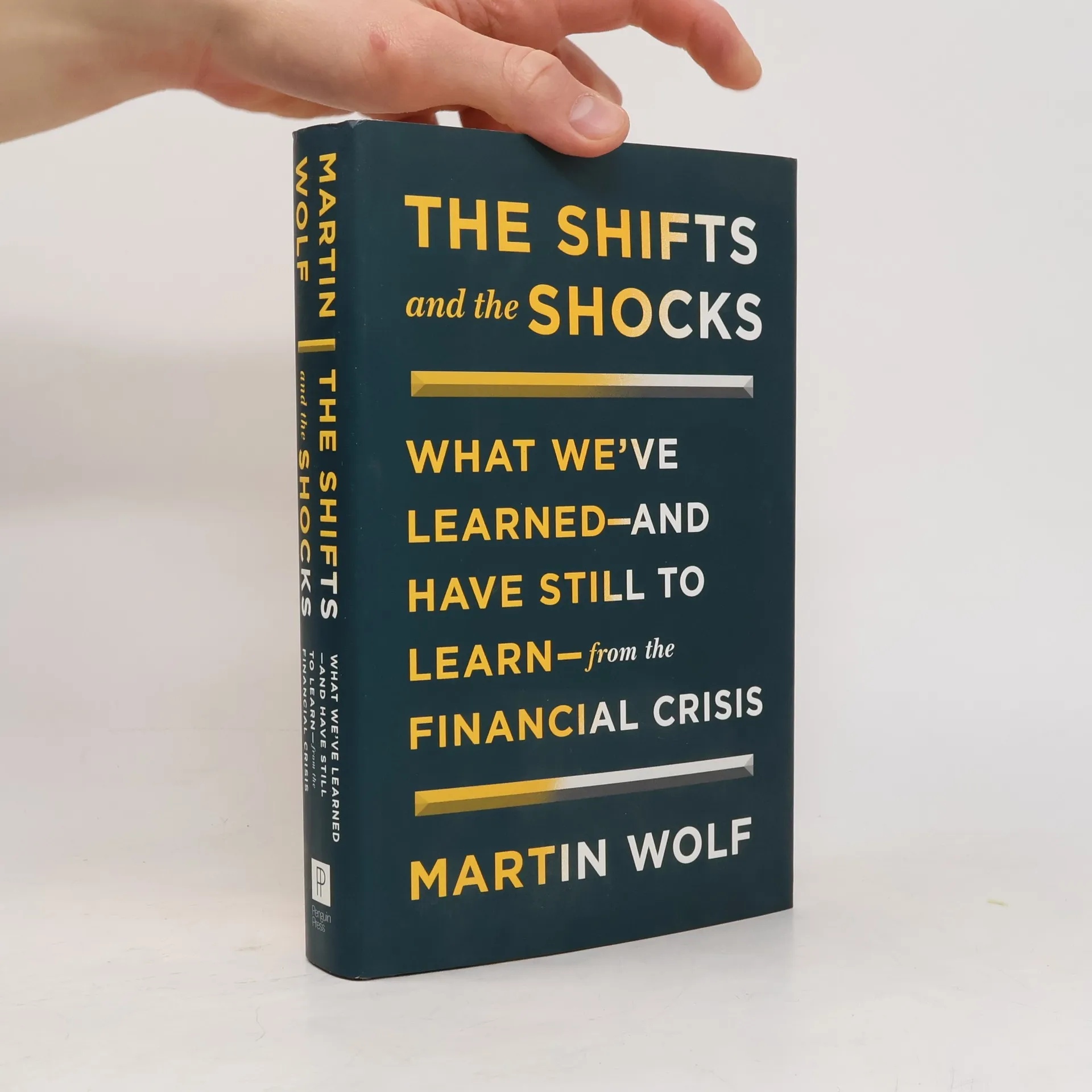
The Shifts and the Shocks
What We've Learned—And Have Still to Learn—From the Financial Crisis
Autorzy
Ocena książki
Parametry
- 496 stron
- 18 godzin czytania
Więcej o książce
From the chief economic commentator for the Financial Times comes a brilliant exploration of the new global economy and its trajectory. This work is not just another history of the financial crisis that began in 2007–8; it offers a compelling account of what the crisis teaches us about modern economies and economics. The author identifies the crisis's origins in the complex interplay of globalization, destabilizing global imbalances, and a fragile financial system. In the eurozone, these instabilities were exacerbated by the flawed architecture of the monetary union. The book critiques the complacency of the pre-crisis monetary and financial policy orthodoxy, exposing the failures of the financial, political, and intellectual elites who managed the system. It also assesses the reforms made to the financial and monetary systems since the crisis, questioning whether we are on a sustainable path. The author argues that further crises are inevitable, particularly due to the eurozone's management, which he believes will lead to significant political turmoil in the future. He proposes more ambitious and comprehensive reform plans than those currently in place. With sharp analysis and critical insight, this work is essential reading for anyone interested in global affairs.



Zakup książki
The Shifts and the Shocks, Wolf-Martin Hoffmann
- Język

- Rok wydania
- 2014
- Oprawa
- (twarda)
Metody płatności
Brakuje nam tutaj Twojej recenzji.
- Tytuł
- The Shifts and the Shocks
- Podtytuł
- What We've Learned—And Have Still to Learn—From the Financial Crisis
- Język
- angielski
- Autorzy
- Wolf-Martin Hoffmann
- Wydawca
- Penguin Press
- Rok wydania
- 2014
- Oprawa
- twarda
- Liczba stron
- 496
- ISBN10
- 1594205442
- ISBN13
- 9781594205446
- Seria
- Kategorie
- Ocena
- 3,95 z 5
- Opis
- From the chief economic commentator for the Financial Times comes a brilliant exploration of the new global economy and its trajectory. This work is not just another history of the financial crisis that began in 2007–8; it offers a compelling account of what the crisis teaches us about modern economies and economics. The author identifies the crisis's origins in the complex interplay of globalization, destabilizing global imbalances, and a fragile financial system. In the eurozone, these instabilities were exacerbated by the flawed architecture of the monetary union. The book critiques the complacency of the pre-crisis monetary and financial policy orthodoxy, exposing the failures of the financial, political, and intellectual elites who managed the system. It also assesses the reforms made to the financial and monetary systems since the crisis, questioning whether we are on a sustainable path. The author argues that further crises are inevitable, particularly due to the eurozone's management, which he believes will lead to significant political turmoil in the future. He proposes more ambitious and comprehensive reform plans than those currently in place. With sharp analysis and critical insight, this work is essential reading for anyone interested in global affairs.