

Więcej o książce
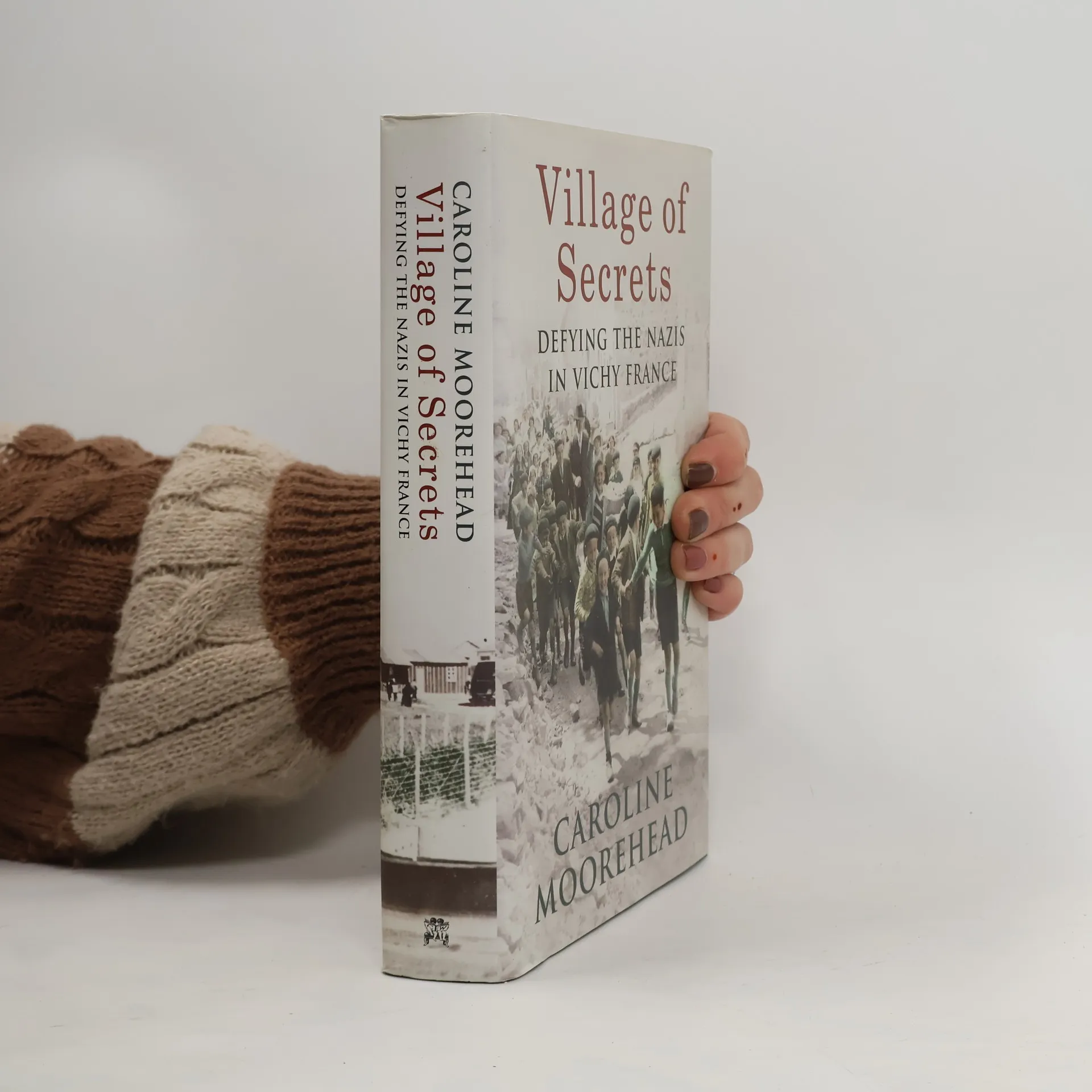
From the author of the bestseller A Train in Winter comes the remarkable tale of a French village that saved thousands, including many Jewish children, from the Gestapo during World War II. Le Chambon-sur-Lignon, a small village nestled in the mountains of the Ardèche, became a sanctuary for those pursued by the Nazis. Isolated by snow for long stretches in winter, its residents sheltered resisters, freemasons, communists, downed Allied airmen, and primarily Jews, many of whom were children separated from their deported parents. After the war, Le Chambon was uniquely recognized in its entirety in Yad Vashem's Dictionary of the Just. The full story of how this village managed to protect so many remains largely untold. Acclaimed biographer and historian Caroline Moorehead recounts a narrative of exceptional bravery and collective action against German rule. In a country notorious for denouncing Jews and resisters, not a single inhabitant of Le Chambon ever revealed the identities of those they sheltered. The village, united by a code of honor stemming from centuries of religious oppression, exemplifies how a small group of heroic individuals—many of them women—prioritized saving lives over their own safety, creating a powerful legacy of resistance and compassion.



Zakup książki
Village of Secrets, Caroline Moorehead
- Język

- Rok wydania
- 2014
- Oprawa
- (twarda)
Metody płatności
Brakuje nam tutaj Twojej recenzji.
- Tytuł
- Village of Secrets
- Podtytuł
- Defying the Nazis in Vichy France
- Język
- angielski
- Autorzy
- Caroline Moorehead
- Wydawca
- Chatto&Windus
- Rok wydania
- 2014
- Oprawa
- twarda
- Liczba stron
- 374
- ISBN10
- 0701186410
- ISBN13
- 9780701186418
- Kategorie
- Ocena
- 3,6 z 5
- Opis
- From the author of the bestseller A Train in Winter comes the remarkable tale of a French village that saved thousands, including many Jewish children, from the Gestapo during World War II. Le Chambon-sur-Lignon, a small village nestled in the mountains of the Ardèche, became a sanctuary for those pursued by the Nazis. Isolated by snow for long stretches in winter, its residents sheltered resisters, freemasons, communists, downed Allied airmen, and primarily Jews, many of whom were children separated from their deported parents. After the war, Le Chambon was uniquely recognized in its entirety in Yad Vashem's Dictionary of the Just. The full story of how this village managed to protect so many remains largely untold. Acclaimed biographer and historian Caroline Moorehead recounts a narrative of exceptional bravery and collective action against German rule. In a country notorious for denouncing Jews and resisters, not a single inhabitant of Le Chambon ever revealed the identities of those they sheltered. The village, united by a code of honor stemming from centuries of religious oppression, exemplifies how a small group of heroic individuals—many of them women—prioritized saving lives over their own safety, creating a powerful legacy of resistance and compassion.