



Więcej o książce
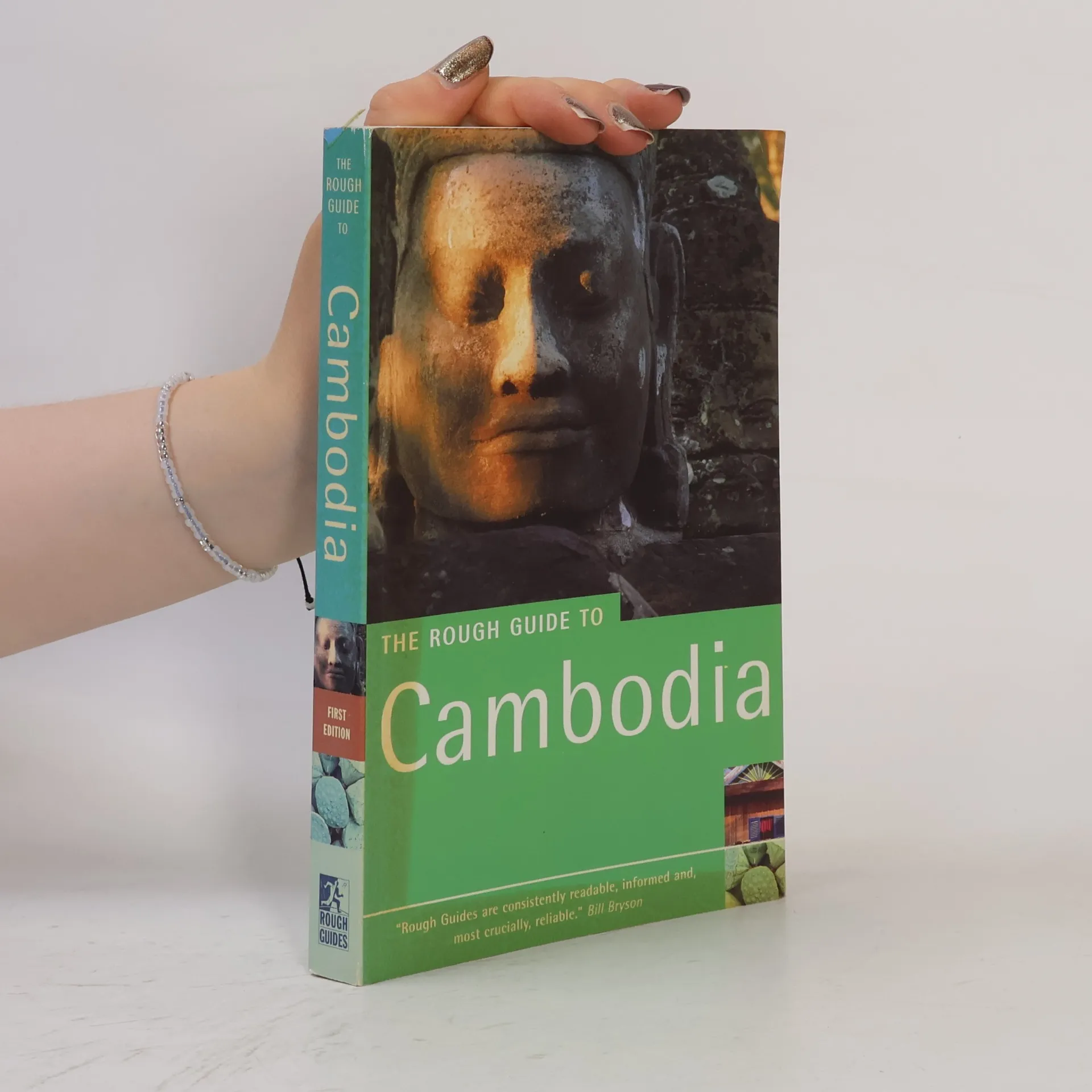
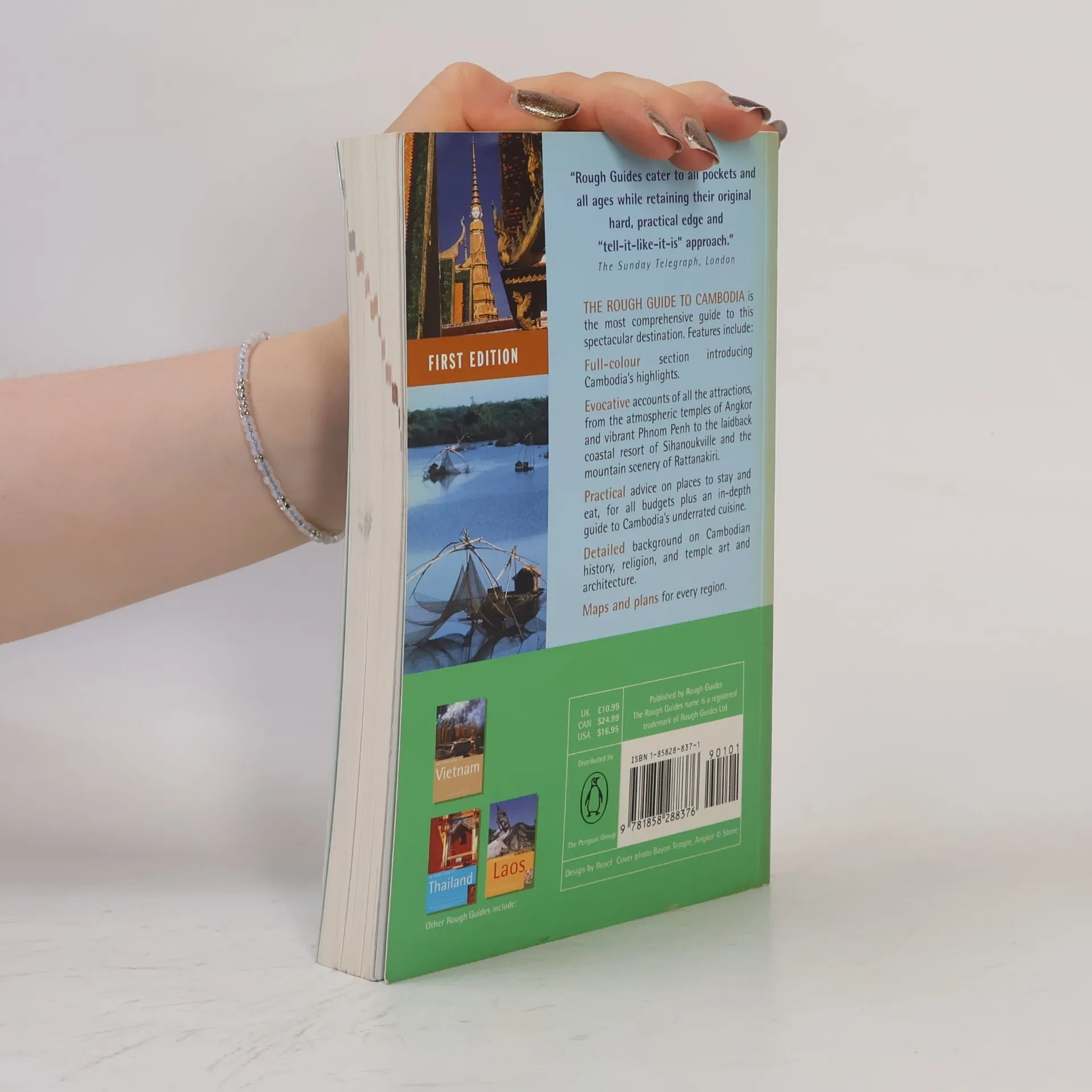
Though less frequented than neighboring Thailand and Laos, Cambodia is quickly becoming a highlight on the Southeast Asian tourist route. The magnificent temples of Angkor attract many visitors, yet the country offers much more, including pristine beaches, untouched forests, a warm climate, and a laid-back atmosphere. Cambodia's diverse landscapes range from iconic rice fields in the northwest to the expansive Tonle Sap lake, which swells during the monsoon season. The Mekong River separates the arid west from the lush, mountainous northeast, while the southwest remains cloaked in jungle. Despite its natural beauty and rich heritage, Cambodia has faced a tragic history marked by the Khmer Rouge's brutal regime in the 1970s, followed by a prolonged guerrilla war that ended in 1998. Although the country is now at peace, the remnants of war are evident in its infrastructure and living conditions, with many relying on international aid for improvement. However, signs of recovery are visible, with bustling markets and a modest middle class emerging in Phnom Penh. The resilience and warmth of the Cambodian people enhance the visitor experience, and the country provides a variety of accommodations and delicious cuisine influenced by Chinese and Thai flavors. Traditional crafts and charming towns reflect Cambodia's rich culture, with remnants of its French colonial past still evident in its architecture and the ubiquitous presence of




Zakup książki
The Rough Guide to Cambodia, Rough Guides
- Język

- Rok wydania
- 2002
- Oprawa
- (miękka),
- Stan książki
- Uszkodzony
- Cena
- 11,41 zł
Metody płatności
Brakuje nam tutaj Twojej recenzji.
- Tytuł
- The Rough Guide to Cambodia
- Język
- angielski
- Autorzy
- Rough Guides
- Wydawca
- Rough Guides
- Rok wydania
- 2002
- Oprawa
- miękka
- Liczba stron
- 368
- ISBN10
- 1858288371
- ISBN13
- 9781858288376
- Seria
- Tagi
- Podróże
- Ocena
- 4,6 z 5
- Opis
- Though less frequented than neighboring Thailand and Laos, Cambodia is quickly becoming a highlight on the Southeast Asian tourist route. The magnificent temples of Angkor attract many visitors, yet the country offers much more, including pristine beaches, untouched forests, a warm climate, and a laid-back atmosphere. Cambodia's diverse landscapes range from iconic rice fields in the northwest to the expansive Tonle Sap lake, which swells during the monsoon season. The Mekong River separates the arid west from the lush, mountainous northeast, while the southwest remains cloaked in jungle. Despite its natural beauty and rich heritage, Cambodia has faced a tragic history marked by the Khmer Rouge's brutal regime in the 1970s, followed by a prolonged guerrilla war that ended in 1998. Although the country is now at peace, the remnants of war are evident in its infrastructure and living conditions, with many relying on international aid for improvement. However, signs of recovery are visible, with bustling markets and a modest middle class emerging in Phnom Penh. The resilience and warmth of the Cambodian people enhance the visitor experience, and the country provides a variety of accommodations and delicious cuisine influenced by Chinese and Thai flavors. Traditional crafts and charming towns reflect Cambodia's rich culture, with remnants of its French colonial past still evident in its architecture and the ubiquitous presence of