

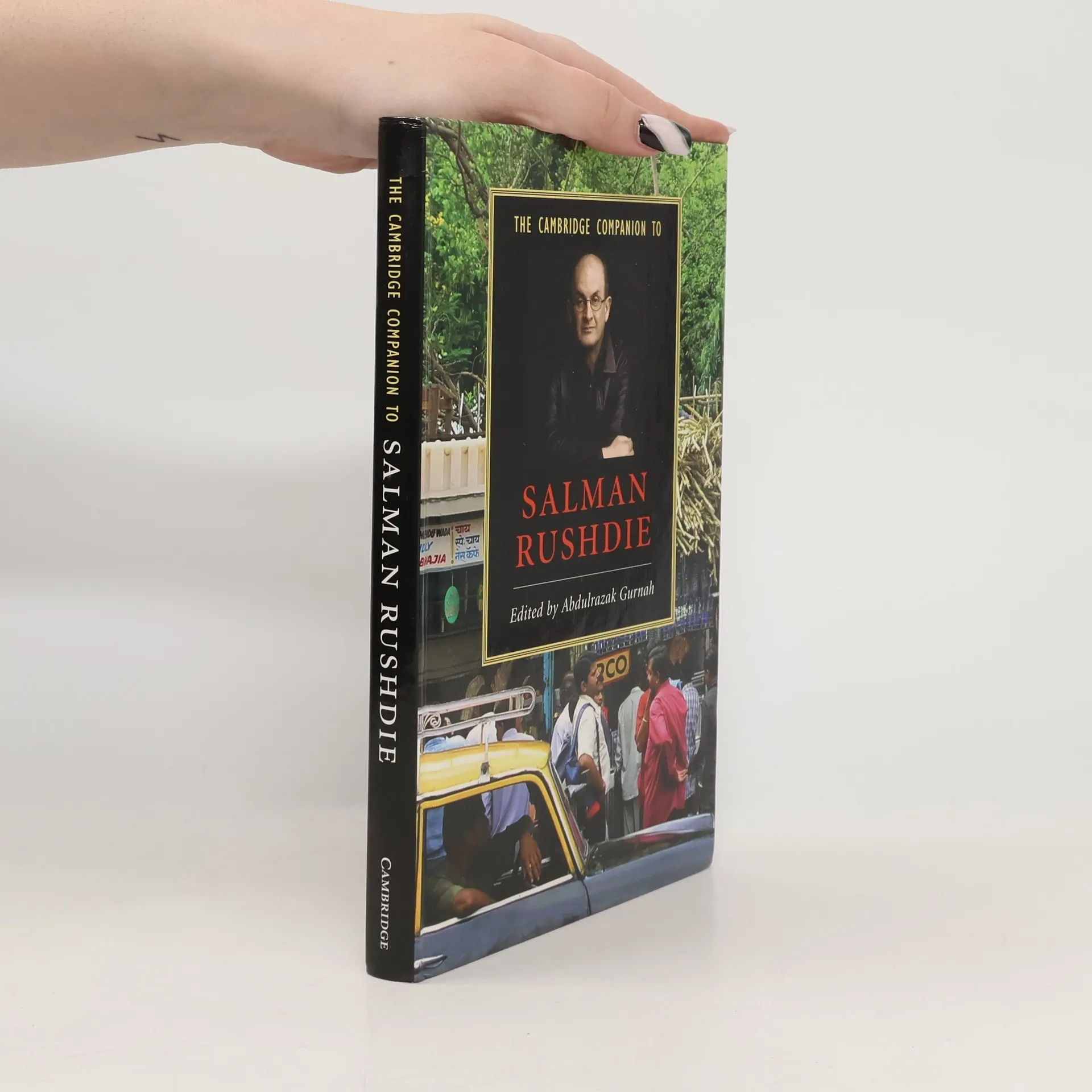


Więcej o książce
Salman Rushdie is a major contemporary writer, who engages with some of the vital issues of our times: migrancy, postcolonialism, religious authoritarianism. This Companion offers a comprehensive introduction to his entire oeuvre. Part I provides thematic readings of Rushdie and his work, with chapters on how Bollywood films are intertextual with the fiction, the place of family and gender in the work, the influence of English writing and reflections on the fatwa. Part II discusses Rushdie's importance for postcolonial writing and provides detailed interpretations of his fiction. In one volume, this book provides a stimulating introduction to the author and his work in a range of expert essays and readings. With its detailed chronology of Rushdie's life and a comprehensive bibliography of further reading, this volume will be invaluable to undergraduates studying Rushdie and to the general reader interested in his work.


Zakup książki
Cambridge Companions to Literature: The Cambridge Companion to Salman Rushdie, Abdulrazak Gurnah
- Język

- Rok wydania
- 2007
- Oprawa
- (twarda)
Metody płatności
Brakuje nam tutaj Twojej recenzji.
- Tytuł
- Cambridge Companions to Literature: The Cambridge Companion to Salman Rushdie
- Język
- angielski
- Autorzy
- Abdulrazak Gurnah
- Wydawca
- Cambridge University Press
- Rok wydania
- 2007
- Oprawa
- twarda
- Liczba stron
- 218
- ISBN10
- 0521847192
- ISBN13
- 9780521847193
- Kategorie
- Tagi
- Ocena
- 4 z 5
- Opis
- Salman Rushdie is a major contemporary writer, who engages with some of the vital issues of our times: migrancy, postcolonialism, religious authoritarianism. This Companion offers a comprehensive introduction to his entire oeuvre. Part I provides thematic readings of Rushdie and his work, with chapters on how Bollywood films are intertextual with the fiction, the place of family and gender in the work, the influence of English writing and reflections on the fatwa. Part II discusses Rushdie's importance for postcolonial writing and provides detailed interpretations of his fiction. In one volume, this book provides a stimulating introduction to the author and his work in a range of expert essays and readings. With its detailed chronology of Rushdie's life and a comprehensive bibliography of further reading, this volume will be invaluable to undergraduates studying Rushdie and to the general reader interested in his work.