


Więcej o książce
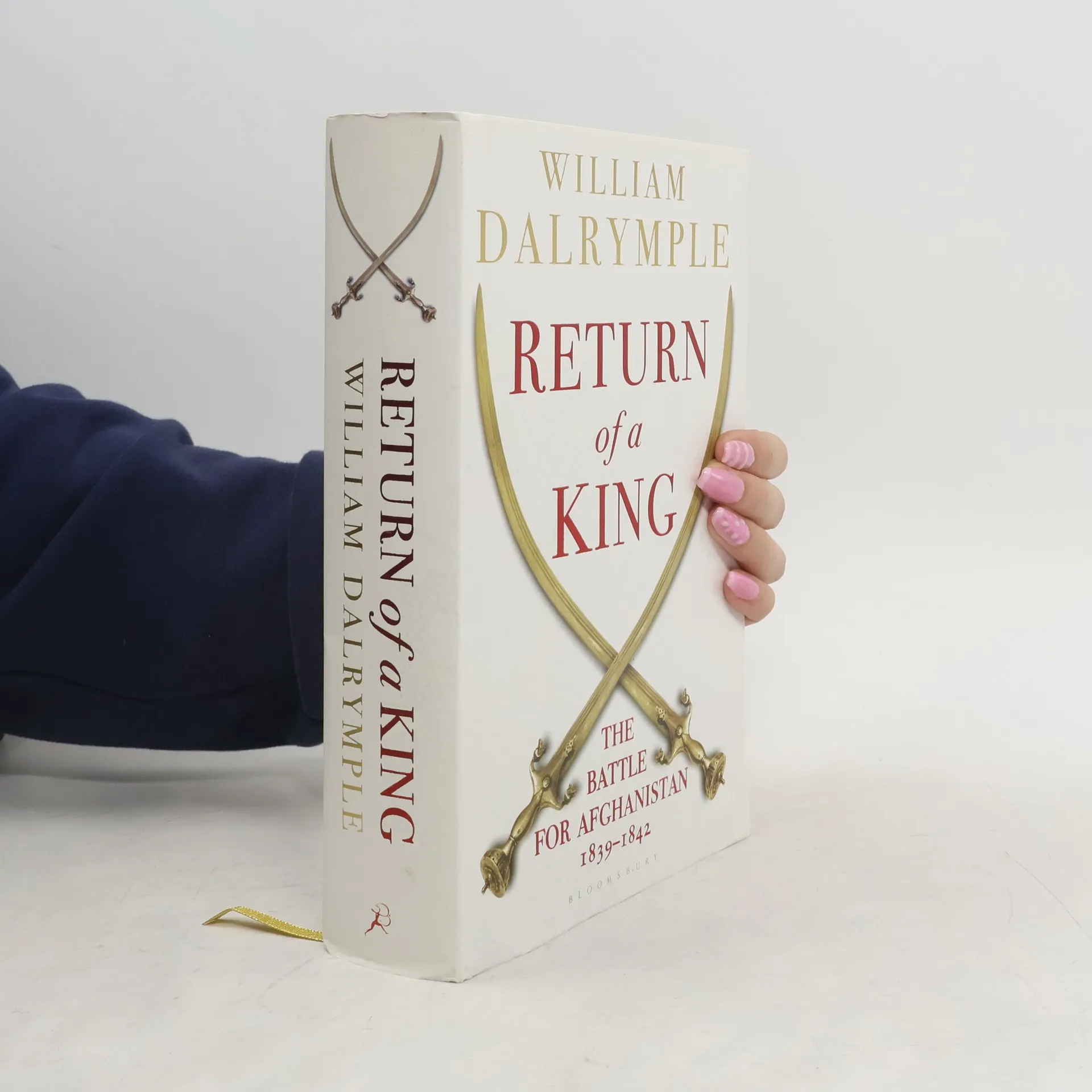
In the spring of 1839, British forces invaded Afghanistan, reinstating Shah Shuja as a puppet ruler and igniting ongoing conflict over the territory. By 1842, the Afghan people responded to foreign occupation with a violent rebellion. In a significant military humiliation for the West, over eighteen thousand British troops, Indian sepoys, and camp followers retreated through icy mountain passes. Only one survivor, Dr. Brydon, reached the British garrison at Jellalabad after the last stand at Gandamak. This defeat showcased how a powerful military was routed by poorly equipped tribesmen. The parallels between the West's first disastrous involvement in Afghanistan and the current crisis are striking, with NATO facing similar challenges in cities like Kabul and Kandahar, fighting the same tribes nearly two centuries later. The narrative offers a crucial analysis of the first Afghan war, drawing on previously undiscovered sources, including Russian, Urdu, and Persian materials, as well as contemporary Afghan accounts, such as Shah Shuja's autobiography. Prize-winning historian William Dalrymple's retelling of this imperial disaster serves as a powerful parable of neo-colonial ambition, cultural collision, folly, and hubris relevant to our times.


Zakup książki
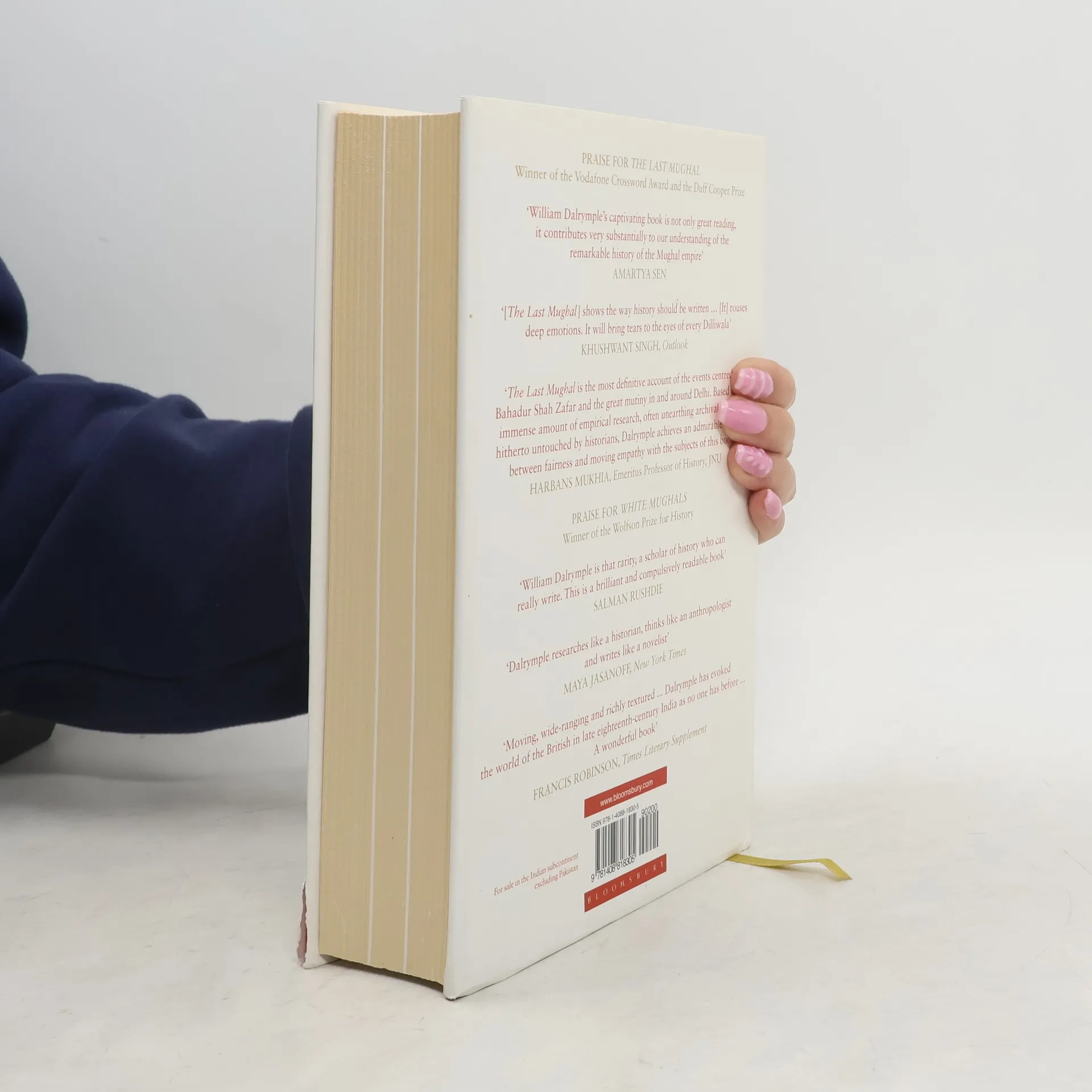
Return of a King, William Dalrymple
- Język

- Rok wydania
- 2013
- Oprawa
- (twarda)
Metody płatności
Brakuje nam tutaj Twojej recenzji.
- Tytuł
- Return of a King
- Podtytuł
- The Battle for Afghanistan 1839-1842
- Język
- angielski
- Autorzy
- William Dalrymple
- Wydawca
- Bloomsbury Publishing
- Rok wydania
- 2013
- Oprawa
- twarda
- Liczba stron
- 608
- ISBN10
- 1408818302
- ISBN13
- 9781408818305
- Seria
- Kategorie
- Tagi
- Tematy historyczne, Polityka, Wojny, Azja, Indie
- Ocena
- 4,35 z 5
- Opis
- In the spring of 1839, British forces invaded Afghanistan, reinstating Shah Shuja as a puppet ruler and igniting ongoing conflict over the territory. By 1842, the Afghan people responded to foreign occupation with a violent rebellion. In a significant military humiliation for the West, over eighteen thousand British troops, Indian sepoys, and camp followers retreated through icy mountain passes. Only one survivor, Dr. Brydon, reached the British garrison at Jellalabad after the last stand at Gandamak. This defeat showcased how a powerful military was routed by poorly equipped tribesmen. The parallels between the West's first disastrous involvement in Afghanistan and the current crisis are striking, with NATO facing similar challenges in cities like Kabul and Kandahar, fighting the same tribes nearly two centuries later. The narrative offers a crucial analysis of the first Afghan war, drawing on previously undiscovered sources, including Russian, Urdu, and Persian materials, as well as contemporary Afghan accounts, such as Shah Shuja's autobiography. Prize-winning historian William Dalrymple's retelling of this imperial disaster serves as a powerful parable of neo-colonial ambition, cultural collision, folly, and hubris relevant to our times.