



Więcej o książce
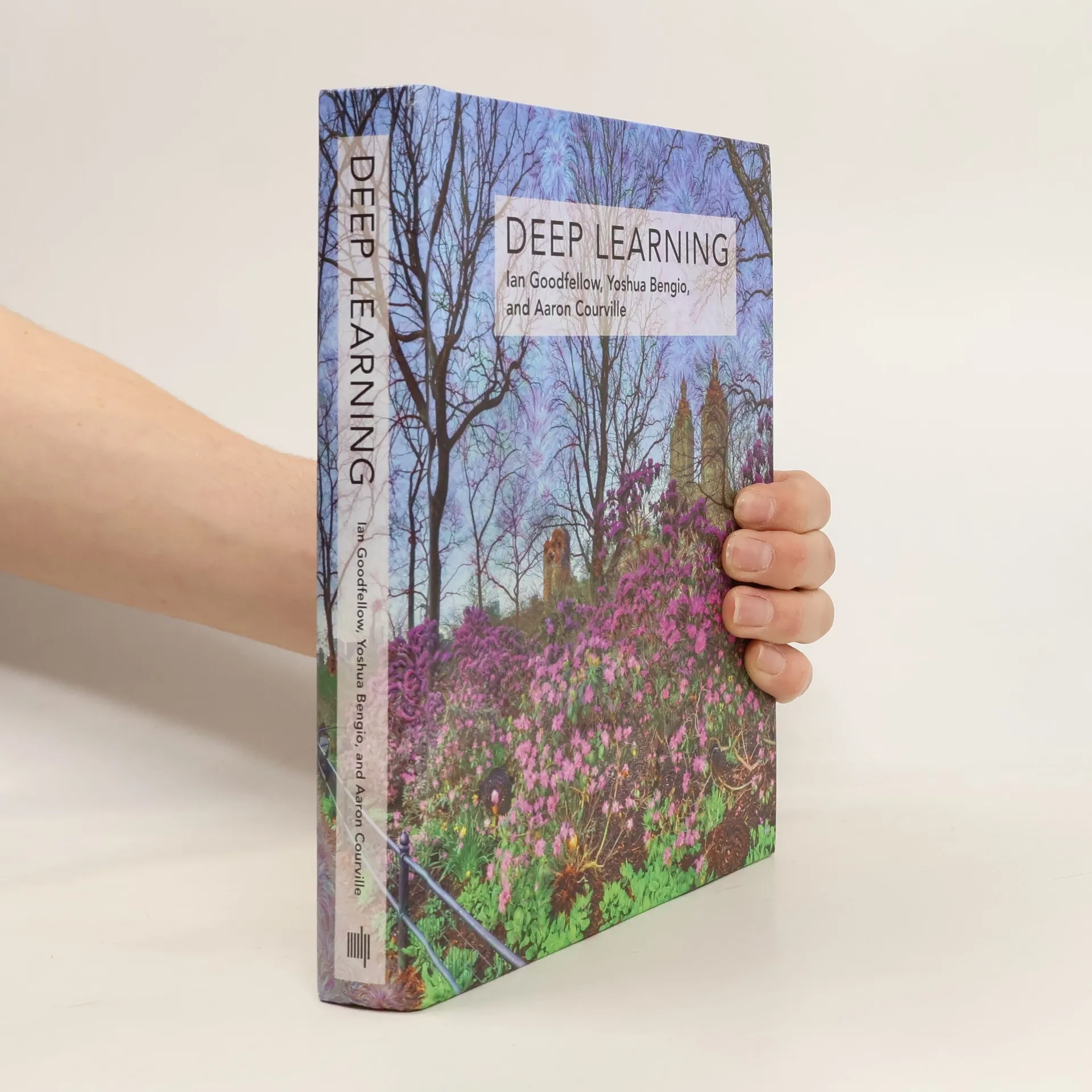
Deep learning, a subset of machine learning, allows computers to learn from experience and understand concepts hierarchically, eliminating the need for exhaustive human input. This book covers a wide array of topics in deep learning, providing essential mathematical and conceptual foundations in linear algebra, probability theory, information theory, numerical computation, and machine learning. It details industry-relevant techniques such as deep feedforward networks, regularization, optimization algorithms, convolutional networks, and sequence modeling, while also exploring applications in natural language processing, speech recognition, computer vision, online recommendation systems, bioinformatics, and video games. Additionally, it presents research perspectives on theoretical topics like linear factor models, autoencoders, representation learning, structured probabilistic models, Monte Carlo methods, the partition function, approximate inference, and deep generative models. This resource is suitable for undergraduate and graduate students pursuing careers in industry or research, as well as software engineers looking to implement deep learning in their products.

Zakup książki
Deep learning, kolektiv
- Język

- Rok wydania
- 2016
- Oprawa
- (twarda)
Metody płatności
Brakuje nam tutaj Twojej recenzji.
- Tytuł
- Deep learning
- Język
- angielski
- Autorzy
- kolektiv
- Wydawca
- MIT Press
- Rok wydania
- 2016
- Oprawa
- twarda
- Liczba stron
- 800
- ISBN10
- 0262035618
- ISBN13
- 9780262035613
- Kategorie
- Ocena
- 4,5 z 5
- Opis
- Deep learning, a subset of machine learning, allows computers to learn from experience and understand concepts hierarchically, eliminating the need for exhaustive human input. This book covers a wide array of topics in deep learning, providing essential mathematical and conceptual foundations in linear algebra, probability theory, information theory, numerical computation, and machine learning. It details industry-relevant techniques such as deep feedforward networks, regularization, optimization algorithms, convolutional networks, and sequence modeling, while also exploring applications in natural language processing, speech recognition, computer vision, online recommendation systems, bioinformatics, and video games. Additionally, it presents research perspectives on theoretical topics like linear factor models, autoencoders, representation learning, structured probabilistic models, Monte Carlo methods, the partition function, approximate inference, and deep generative models. This resource is suitable for undergraduate and graduate students pursuing careers in industry or research, as well as software engineers looking to implement deep learning in their products.