

Parametry
- 144 strony
- 6 godzin czytania
Więcej o książce
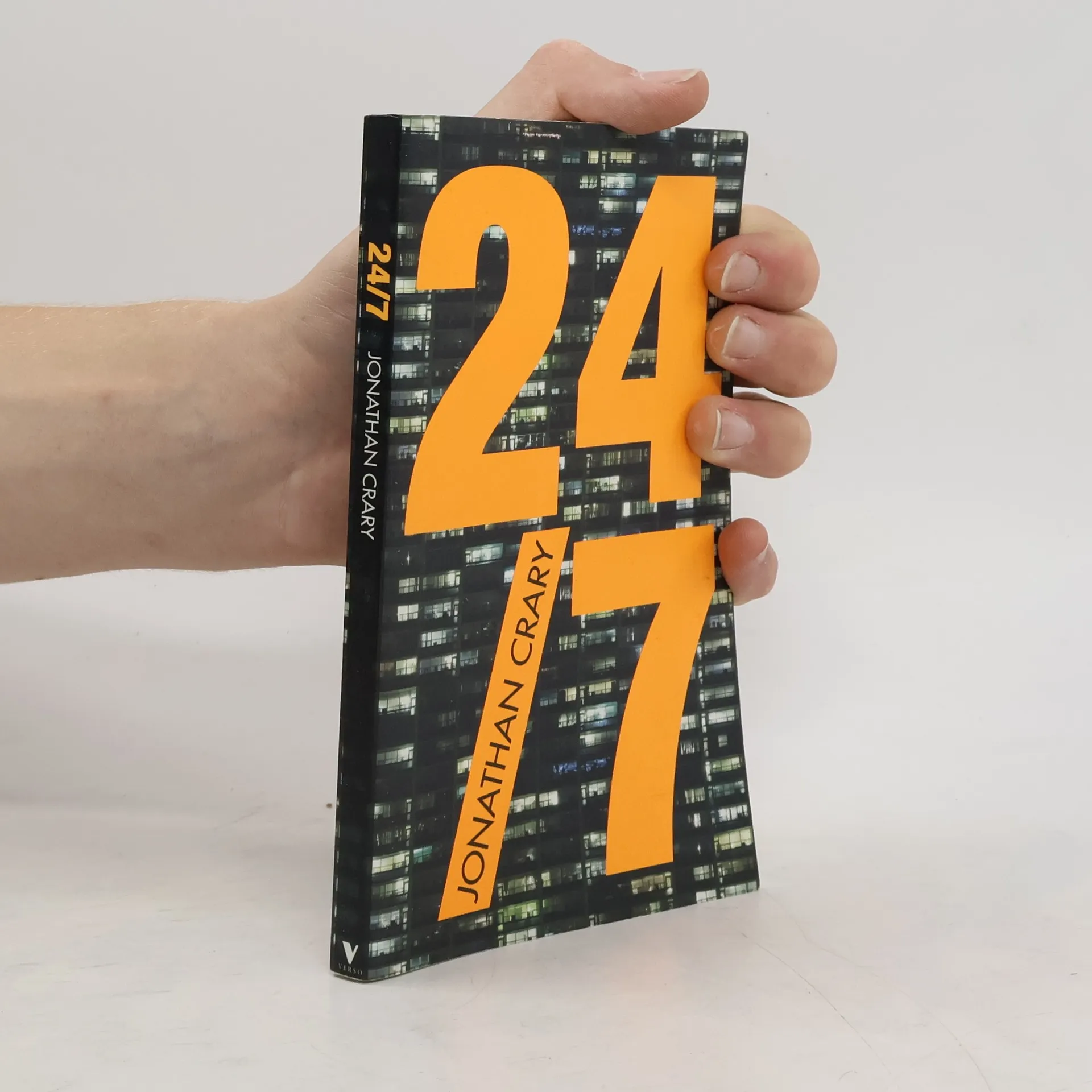
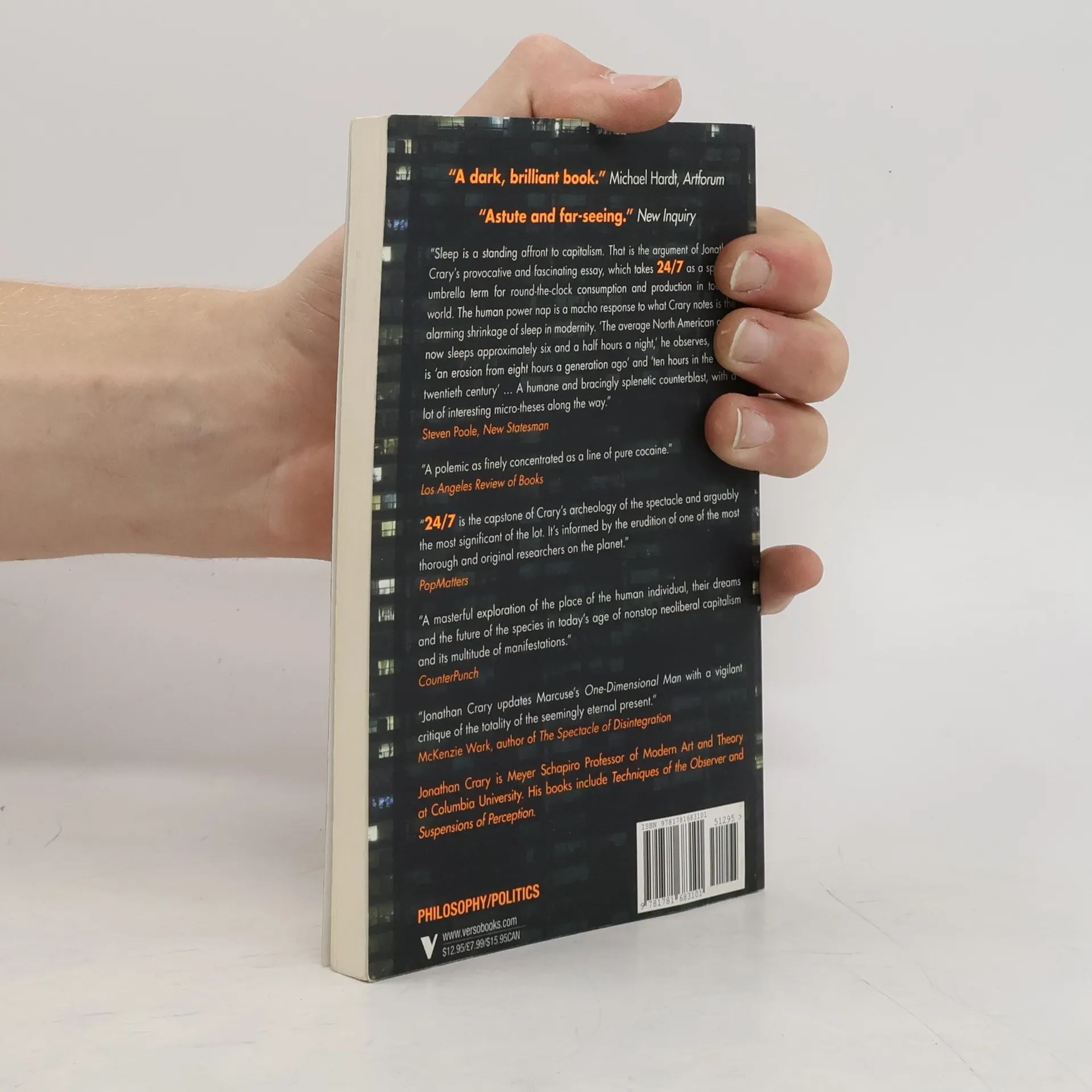
“A fascinating short book” on the perils of 21st-century capitalism and its near-complete takeover of our everyday lives (New York Times Magazine) 24/7: Late Capitalism and the Ends of Sleep explores some of the ruinous consequences of the expanding non-stop processes of twenty-first-century capitalism. The marketplace now operates through every hour of the clock, pushing us into constant activity and eroding forms of community and political expression, damaging the fabric of everyday life. Jonathan Crary examines how this interminable non-time blurs any separation between an intensified, ubiquitous consumerism and emerging strategies of control and surveillance. He describes the ongoing management of individual attentiveness and the impairment of perception within the compulsory routines of contemporary technological culture. At the same time, he shows that human sleep, as a restorative withdrawal that is intrinsically incompatible with 24/7 capitalism, points to other more formidable and collective refusals of world-destroying patterns of growth and accumulation.




Zakup książki
24/7, Jonathan Crary
- Język

- Rok wydania
- 2014
- Oprawa
- (miękka)
Metody płatności
Brakuje nam tutaj Twojej recenzji.
- Tytuł
- 24/7
- Język
- angielski
- Autorzy
- Jonathan Crary
- Wydawca
- Verso Books
- Rok wydania
- 2014
- Oprawa
- miękka
- Liczba stron
- 144
- ISBN10
- 1781683107
- ISBN13
- 9781781683101
- Seria
- Kategorie
- Tagi
- Biznes, Tematyka filozoficzna, Polityka, Społeczeństwo, Teorie naukowe, Zatrudnienie, Sny, Relaks, Kapitalizm, Sen
- Oryginalna nazwa
- 24/7
- Ocena
- 3,7 z 5
- Opis
- “A fascinating short book” on the perils of 21st-century capitalism and its near-complete takeover of our everyday lives (New York Times Magazine) 24/7: Late Capitalism and the Ends of Sleep explores some of the ruinous consequences of the expanding non-stop processes of twenty-first-century capitalism. The marketplace now operates through every hour of the clock, pushing us into constant activity and eroding forms of community and political expression, damaging the fabric of everyday life. Jonathan Crary examines how this interminable non-time blurs any separation between an intensified, ubiquitous consumerism and emerging strategies of control and surveillance. He describes the ongoing management of individual attentiveness and the impairment of perception within the compulsory routines of contemporary technological culture. At the same time, he shows that human sleep, as a restorative withdrawal that is intrinsically incompatible with 24/7 capitalism, points to other more formidable and collective refusals of world-destroying patterns of growth and accumulation.