




Parametry
Więcej o książce
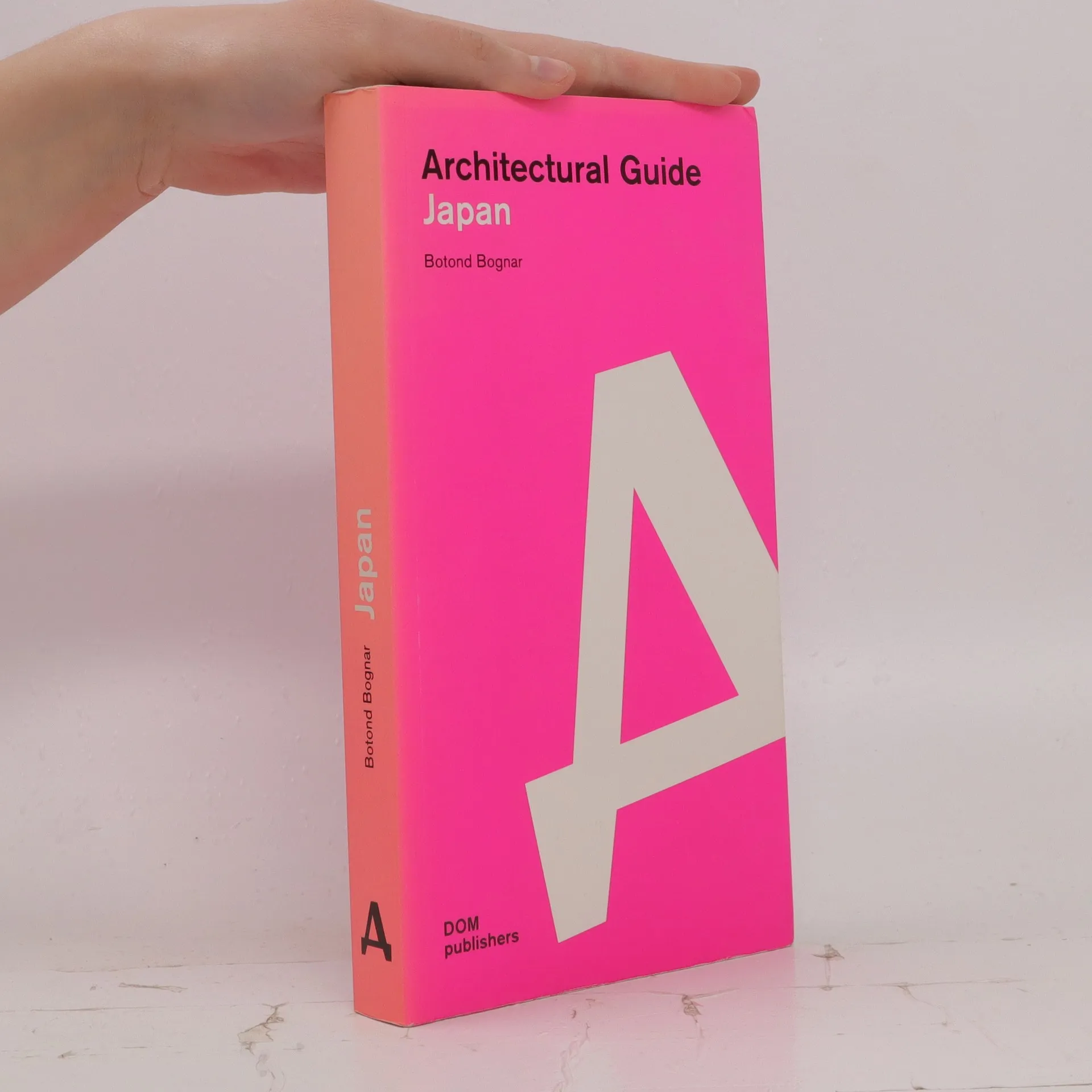
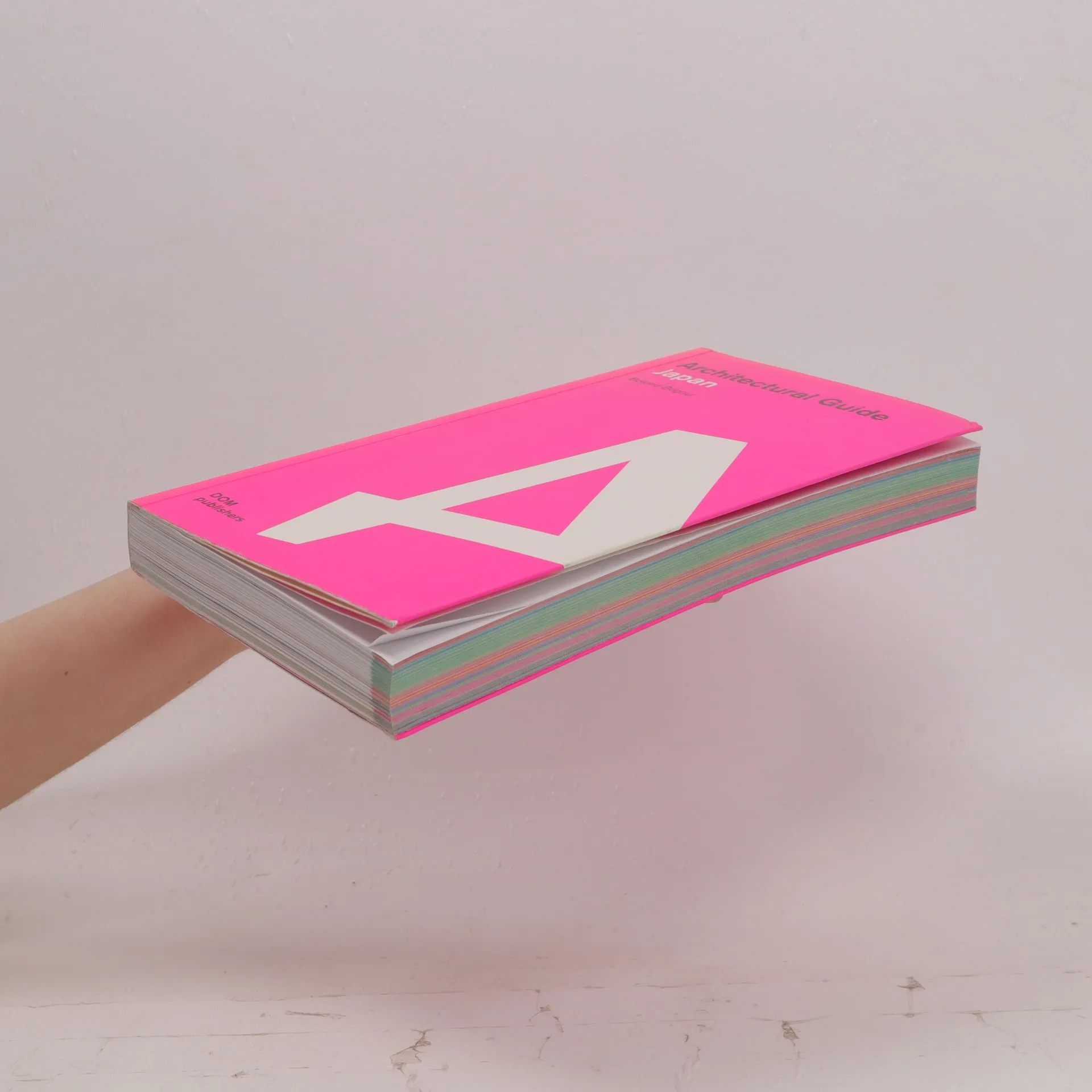
Contemporary Japanese architecture has, over half a century, achieved world-wide recognition not only for its highly innovative, often futuristic qualities, but also for its sensitive response to Japan’s cultural and physical context in the challenging setting of its increasingly urbanized environment. Today it is admired perhaps as much as its traditional counterpa„rt, with which it often maintains a meaningful dialog. Botond Bognar’s “Architectural Guide Japan introduces over 700 of the most prominent examples of this fertile architecture, while outlining its development since the mid-19th century until the present in a concise historical essay. All texts and the individual entries are illustrated with about 750 color photos, all taken by the author, and many drawings. Detailed information about each entry is enhanced by geo-data in the form of QR codes. Featured in the book are the works of such renowned architects as Tadao Ando, Jun Aoki, Atelier Bow Wow, Shigeru Ban, Norman Foster, Sou Fujimoto, Hiroshi Hara, Itsuko Hasegawa, Herzog & de Meuron, Arata Isozaki, Toyo Ito, Kiyonori Kikutake, Kengo Kuma, Kisho Kurokawa, Kunio Maekawa, Fumihiko Maki, Togo Murano, MVRDV, Nikken Sekkei Ltd., Ryue Nishizawa, Jean Nouvel, Antonin Raymond, Junzo Sakakura, SANAA, Kazuyo Sejima, Kazuo Shinohara, Shin Takamatsu, Kenzo Tange, Yoshio Taniguchi, Rafael Vinoly, Frank Lloyd Wright, Riken Yamamoto, and many others.
Zakup książki
Architectural guide Japan, Botond Bognar
- Język

- Rok wydania
- 2013
- Oprawa
- (miękka)
Metody płatności
Brakuje nam tutaj Twojej recenzji.
- Tytuł
- Architectural guide Japan
- Język
- angielski
- Autorzy
- Botond Bognar
- Wydawca
- Dom Publishers
- Rok wydania
- 2013
- Oprawa
- miękka
- ISBN10
- 3869221933
- ISBN13
- 9783869221939
- Seria
- Tagi
- Japonia
- Ocena
- 4,3 z 5
- Opis
- Contemporary Japanese architecture has, over half a century, achieved world-wide recognition not only for its highly innovative, often futuristic qualities, but also for its sensitive response to Japan’s cultural and physical context in the challenging setting of its increasingly urbanized environment. Today it is admired perhaps as much as its traditional counterpa„rt, with which it often maintains a meaningful dialog. Botond Bognar’s “Architectural Guide Japan introduces over 700 of the most prominent examples of this fertile architecture, while outlining its development since the mid-19th century until the present in a concise historical essay. All texts and the individual entries are illustrated with about 750 color photos, all taken by the author, and many drawings. Detailed information about each entry is enhanced by geo-data in the form of QR codes. Featured in the book are the works of such renowned architects as Tadao Ando, Jun Aoki, Atelier Bow Wow, Shigeru Ban, Norman Foster, Sou Fujimoto, Hiroshi Hara, Itsuko Hasegawa, Herzog & de Meuron, Arata Isozaki, Toyo Ito, Kiyonori Kikutake, Kengo Kuma, Kisho Kurokawa, Kunio Maekawa, Fumihiko Maki, Togo Murano, MVRDV, Nikken Sekkei Ltd., Ryue Nishizawa, Jean Nouvel, Antonin Raymond, Junzo Sakakura, SANAA, Kazuyo Sejima, Kazuo Shinohara, Shin Takamatsu, Kenzo Tange, Yoshio Taniguchi, Rafael Vinoly, Frank Lloyd Wright, Riken Yamamoto, and many others.