


Więcej o książce
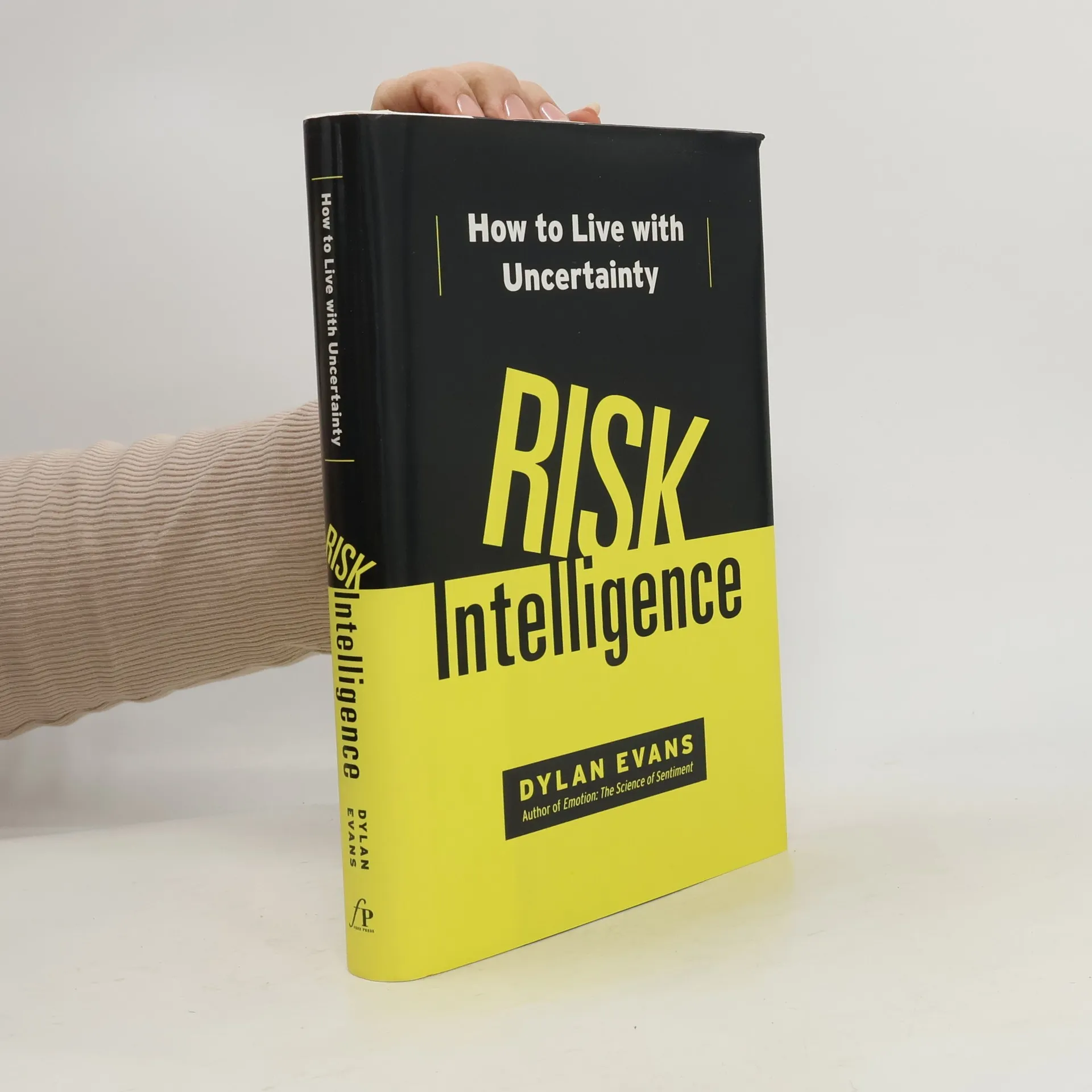
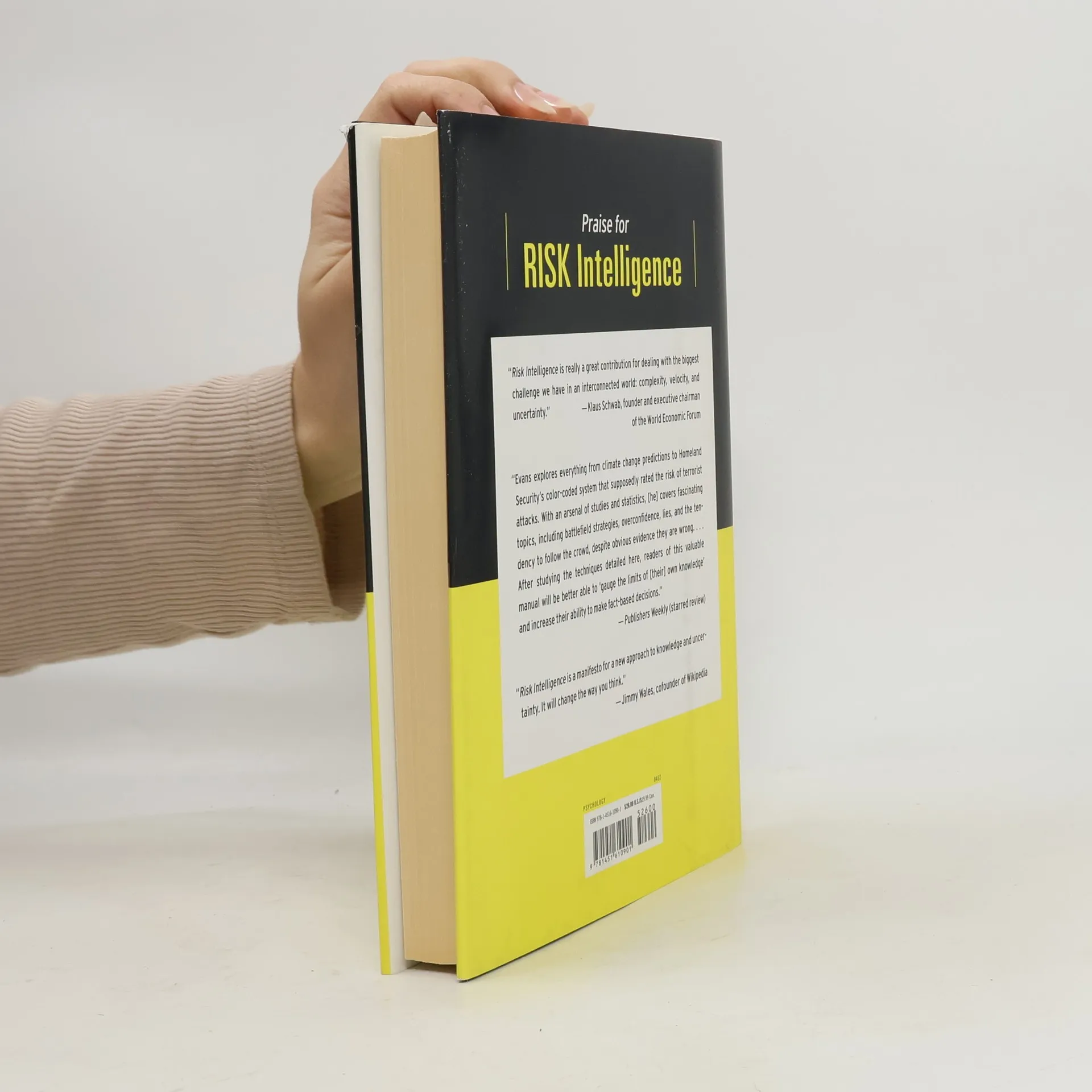
This groundbreaking work by leading researcher Dylan Evans explores a newly identified form of intelligence essential for assessing risks, known as risk intelligence. The book emphasizes the importance of this intelligence in our daily decision-making, from elective surgeries to financial advice and job offers. Evans introduces a simple test to measure risk intelligence, which garnered significant interest online, revealing that many people possess low risk intelligence compared to a select few with high RQs. Through a wealth of research findings, Evans highlights common cognitive errors that hinder our risk assessment abilities, such as ambiguity aversion, overconfidence, and the fallacy of mind reading. He illustrates how the presentation of information can mislead us, using real-life examples from horse racing to the financial crisis, demonstrating that even trusted experts can falter in risk evaluation. The book offers readers a revolutionary test to assess their own RQs and provides practical techniques to enhance their risk assessment skills. With engaging insights and transformative ideas, this work invites readers to improve their thinking and decision-making processes, ultimately enhancing their lives through better risk evaluation.


Zakup książki
Risk Intelligence, Dylan Evans
- Język

- Rok wydania
- 2012
- Oprawa
- (twarda)
Metody płatności
Brakuje nam tutaj Twojej recenzji.
- Tytuł
- Risk Intelligence
- Podtytuł
- How to Live with Uncertainty
- Język
- angielski
- Autorzy
- Dylan Evans
- Wydawca
- Free Press
- Rok wydania
- 2012
- Oprawa
- twarda
- Liczba stron
- 288
- ISBN10
- 1451610904
- ISBN13
- 9781451610901
- Seria
- Ocena
- 3,65 z 5
- Opis
- This groundbreaking work by leading researcher Dylan Evans explores a newly identified form of intelligence essential for assessing risks, known as risk intelligence. The book emphasizes the importance of this intelligence in our daily decision-making, from elective surgeries to financial advice and job offers. Evans introduces a simple test to measure risk intelligence, which garnered significant interest online, revealing that many people possess low risk intelligence compared to a select few with high RQs. Through a wealth of research findings, Evans highlights common cognitive errors that hinder our risk assessment abilities, such as ambiguity aversion, overconfidence, and the fallacy of mind reading. He illustrates how the presentation of information can mislead us, using real-life examples from horse racing to the financial crisis, demonstrating that even trusted experts can falter in risk evaluation. The book offers readers a revolutionary test to assess their own RQs and provides practical techniques to enhance their risk assessment skills. With engaging insights and transformative ideas, this work invites readers to improve their thinking and decision-making processes, ultimately enhancing their lives through better risk evaluation.