

Parametry
- 192 strony
- 7 godzin czytania
Więcej o książce
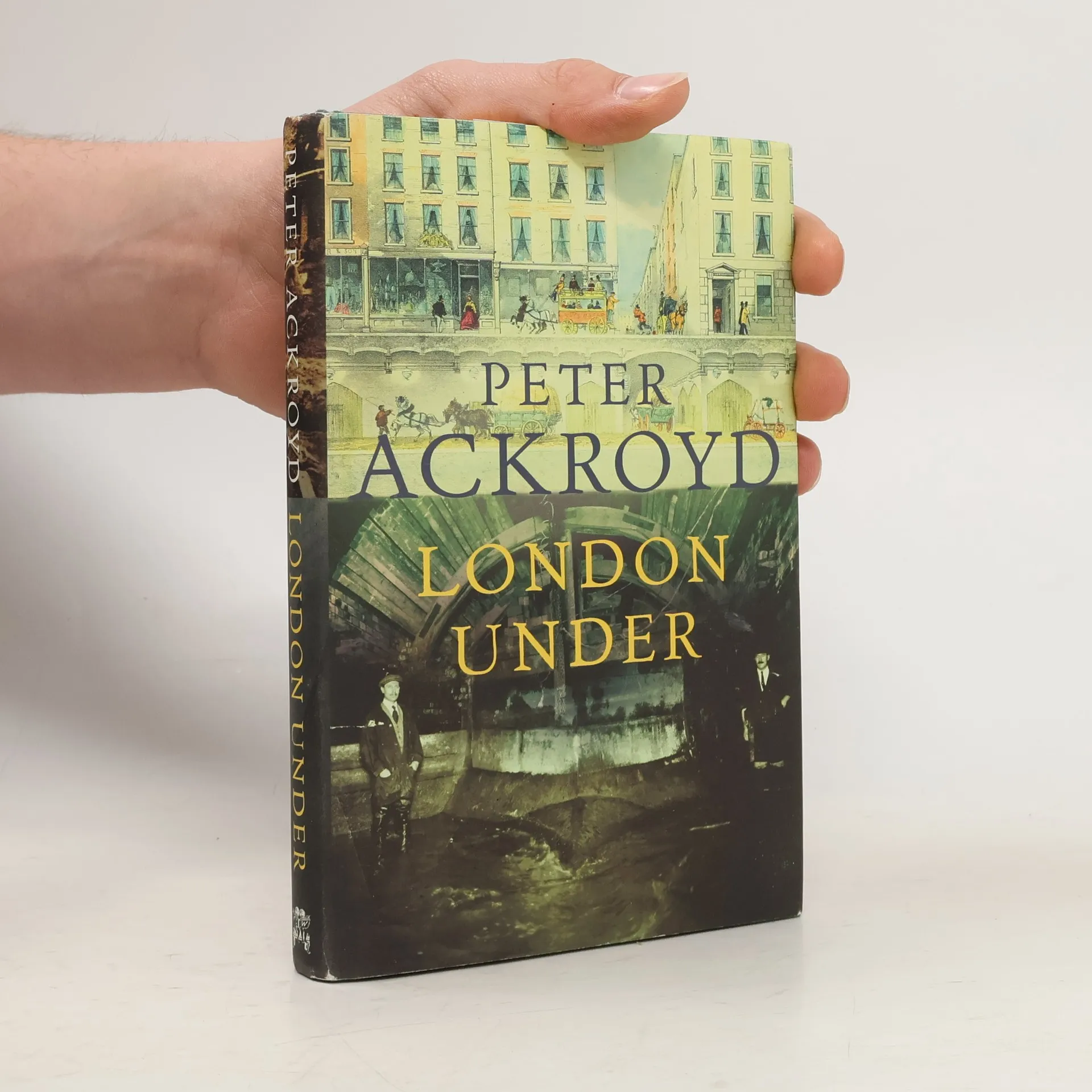
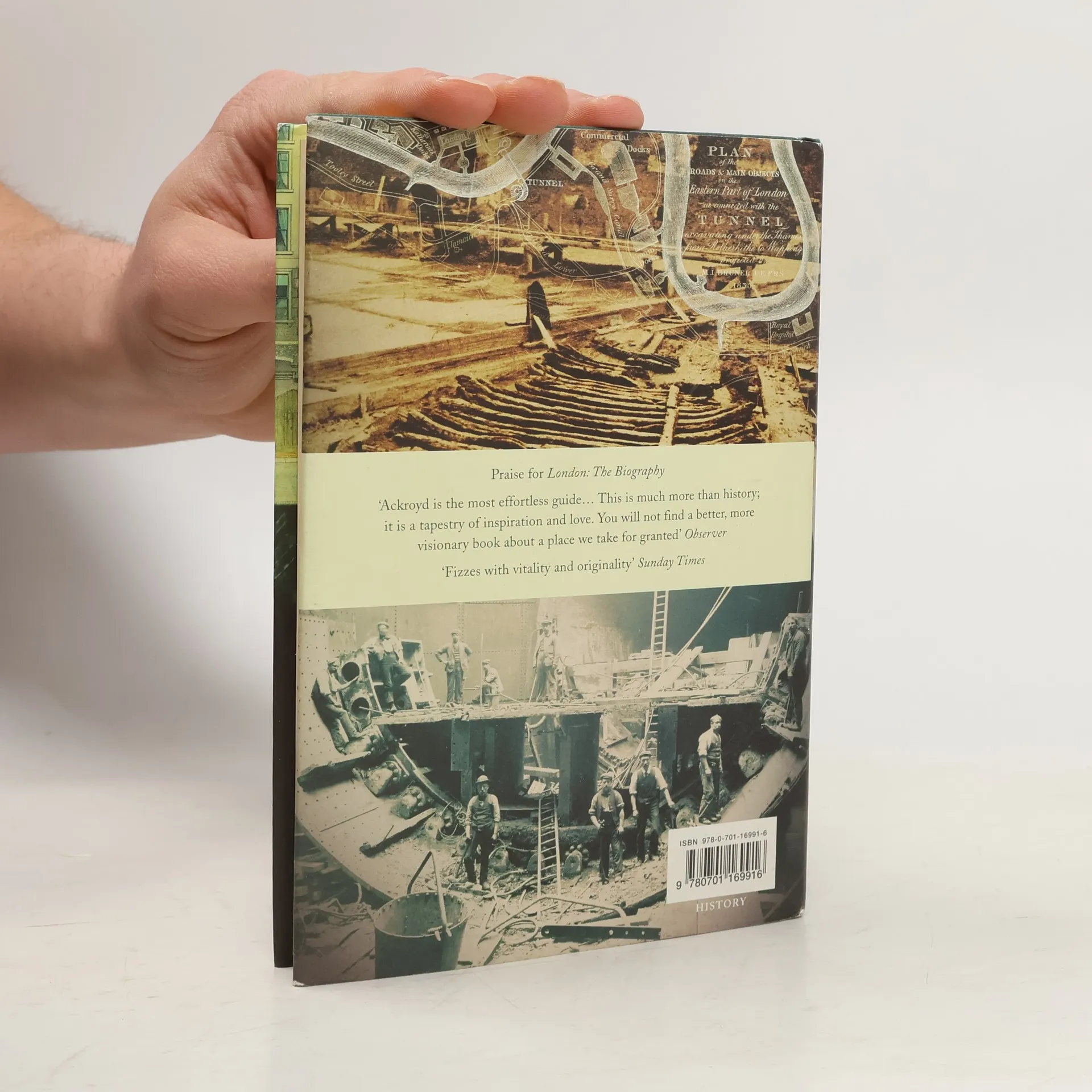
London Under is a wonderful, atmospheric, imaginative, oozing short study of everything that goes on under London, from original springs and streams and Roman amphitheatres to Victorian sewers, gang hideouts and modern Tube stations. The depth below is hot, warmer than the surface, and tunnels down through the geological layers, meeting the creatures that dwell in darkness, real and fictional - rats and eels, monsters and ghosts. There is a Bronze Age trackway under the Isle of Dogs, Anglo-Saxon graves were found under St Paul's, and the monastery of Whitefriars lies beneath Fleet Street. In Kensal Green cemetery a hydraulic device lowered bodies into the catacombs below - 'Welcome to the lower depths' - while a door in the plinth of the statue of Boadicea on Westminster Bridge leads to a huge tunnel, packed with cables for gas, water and telephone lines. When the Metropolitan Line was opened in 1864 the guards asked for permission to grow beards to protect themselves against the sulphurous fumes, and called their engines by the names of tyrants - Czar, Kaiser, Mogul - and even Pluto, god of the underworld. 'The vastness of the space, a second earth,' writes Peter Ackroyd, 'elicits sensations of wonder and of terror. It partakes of myth and dream in equal measure.' Going under London is to penetrate history, to enter a hidden world.


Zakup książki
London Under, Peter Ackroyd
- Język

- Rok wydania
- 2011
- Oprawa
- (twarda)
Metody płatności
Brakuje nam tutaj Twojej recenzji.
- Tytuł
- London Under
- Język
- angielski
- Autorzy
- Peter Ackroyd
- Wydawca
- Chatto&Windus
- Rok wydania
- 2011
- Oprawa
- twarda
- Liczba stron
- 192
- ISBN10
- 0701169915
- ISBN13
- 9780701169916
- Seria
- Kategorie
- Ocena
- 3,55 z 5
- Opis
- London Under is a wonderful, atmospheric, imaginative, oozing short study of everything that goes on under London, from original springs and streams and Roman amphitheatres to Victorian sewers, gang hideouts and modern Tube stations. The depth below is hot, warmer than the surface, and tunnels down through the geological layers, meeting the creatures that dwell in darkness, real and fictional - rats and eels, monsters and ghosts. There is a Bronze Age trackway under the Isle of Dogs, Anglo-Saxon graves were found under St Paul's, and the monastery of Whitefriars lies beneath Fleet Street. In Kensal Green cemetery a hydraulic device lowered bodies into the catacombs below - 'Welcome to the lower depths' - while a door in the plinth of the statue of Boadicea on Westminster Bridge leads to a huge tunnel, packed with cables for gas, water and telephone lines. When the Metropolitan Line was opened in 1864 the guards asked for permission to grow beards to protect themselves against the sulphurous fumes, and called their engines by the names of tyrants - Czar, Kaiser, Mogul - and even Pluto, god of the underworld. 'The vastness of the space, a second earth,' writes Peter Ackroyd, 'elicits sensations of wonder and of terror. It partakes of myth and dream in equal measure.' Going under London is to penetrate history, to enter a hidden world.