

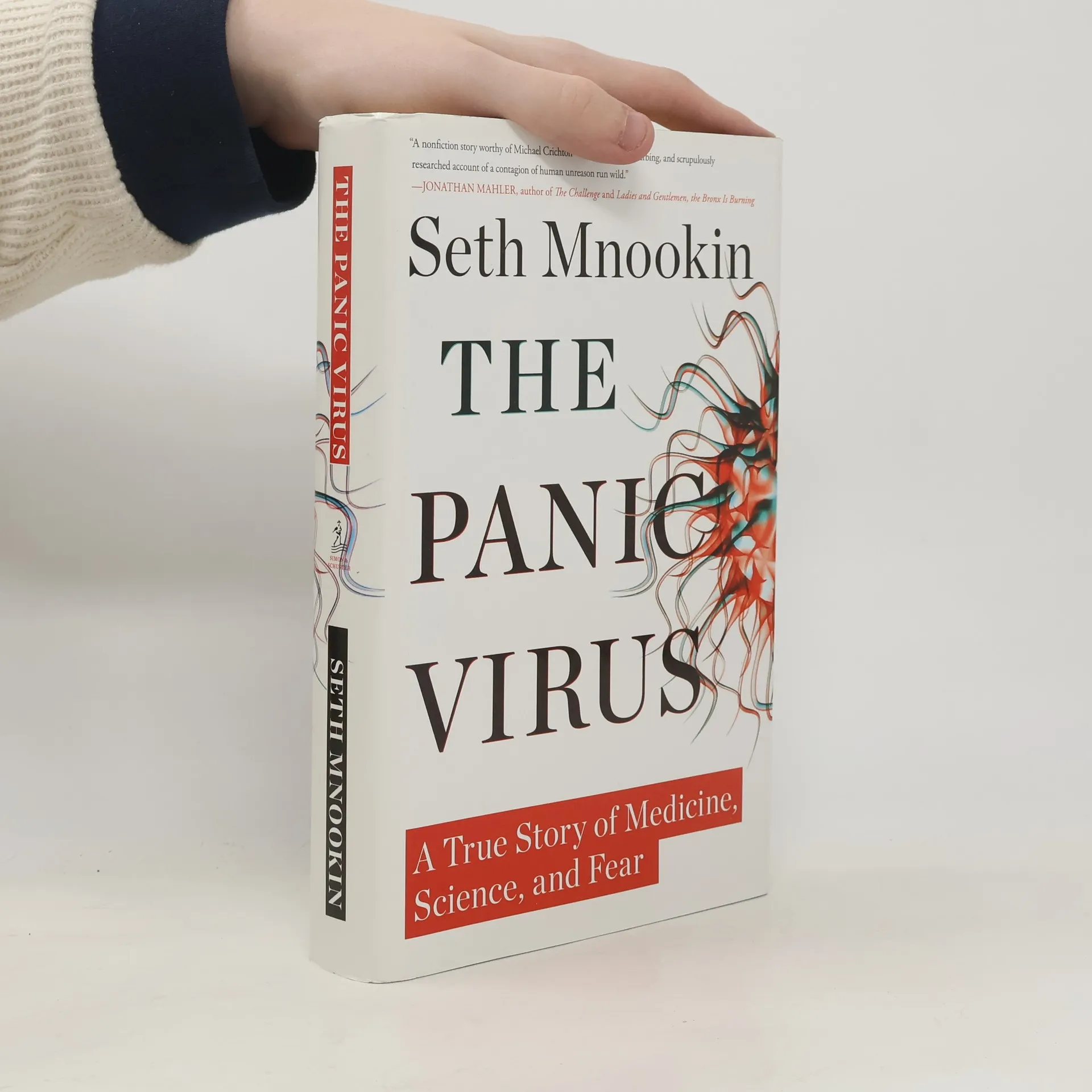
Więcej o książce
In 1998, Andrew Wakefield, a British gastroenterologist known for self-promotion, published a controversial paper claiming a link between the measles-mumps-rubella vaccine and autism. This allegation ignited a media frenzy, leading to one of the most damaging health scares in history. Wakefield was later exposed as a profiteer working with class-action lawyers, ultimately losing his medical license. Despite numerous studies disproving any connection between childhood vaccines and autism, the myth persists, fueled by media figures like Oprah Winfrey and Jenny McCarthy, as well as journalists who claim to present both sides of a largely settled debate. This misinformation has diverted millions from autism research, led families to spend on ineffective "miracle cures," and caused a decline in vaccination rates, resulting in outbreaks of diseases like Hib, measles, and whooping cough. Tragically, an increasing number of children are dying from vaccine-preventable illnesses. Through interviews with parents, public health advocates, scientists, and anti-vaccine activists, the narrative explores how we discern truth in an age of misinformation. The insights provided shed light on the persistence of conspiracy theories and the allure of sensationalist media, making this a vital cautionary tale for contemporary society.


Zakup książki
The Panic Virus, Seth Mnookin, Jonathan Mahler
- Język

- Rok wydania
- 2011
- Oprawa
- (twarda)
Metody płatności
Brakuje nam tutaj Twojej recenzji.
- Tytuł
- The Panic Virus
- Podtytuł
- A True Story of Medicine, Science, and Fear
- Język
- angielski
- Autorzy
- Seth Mnookin, Jonathan Mahler
- Wydawca
- Simon & Schuster
- Rok wydania
- 2011
- Oprawa
- twarda
- Liczba stron
- 448
- ISBN10
- 1439158649
- ISBN13
- 9781439158647
- Seria
- Kategorie
- Tagi
- Tematy historyczne, Zdrowie & Medycyna, Tematyka psychologiczna, Nauka, Zdrowie, Tematyka medyczna
- Ocena
- 4,05 z 5
- Opis
- In 1998, Andrew Wakefield, a British gastroenterologist known for self-promotion, published a controversial paper claiming a link between the measles-mumps-rubella vaccine and autism. This allegation ignited a media frenzy, leading to one of the most damaging health scares in history. Wakefield was later exposed as a profiteer working with class-action lawyers, ultimately losing his medical license. Despite numerous studies disproving any connection between childhood vaccines and autism, the myth persists, fueled by media figures like Oprah Winfrey and Jenny McCarthy, as well as journalists who claim to present both sides of a largely settled debate. This misinformation has diverted millions from autism research, led families to spend on ineffective "miracle cures," and caused a decline in vaccination rates, resulting in outbreaks of diseases like Hib, measles, and whooping cough. Tragically, an increasing number of children are dying from vaccine-preventable illnesses. Through interviews with parents, public health advocates, scientists, and anti-vaccine activists, the narrative explores how we discern truth in an age of misinformation. The insights provided shed light on the persistence of conspiracy theories and the allure of sensationalist media, making this a vital cautionary tale for contemporary society.