



Parametry
- 341 stron
- 12 godzin czytania
Więcej o książce
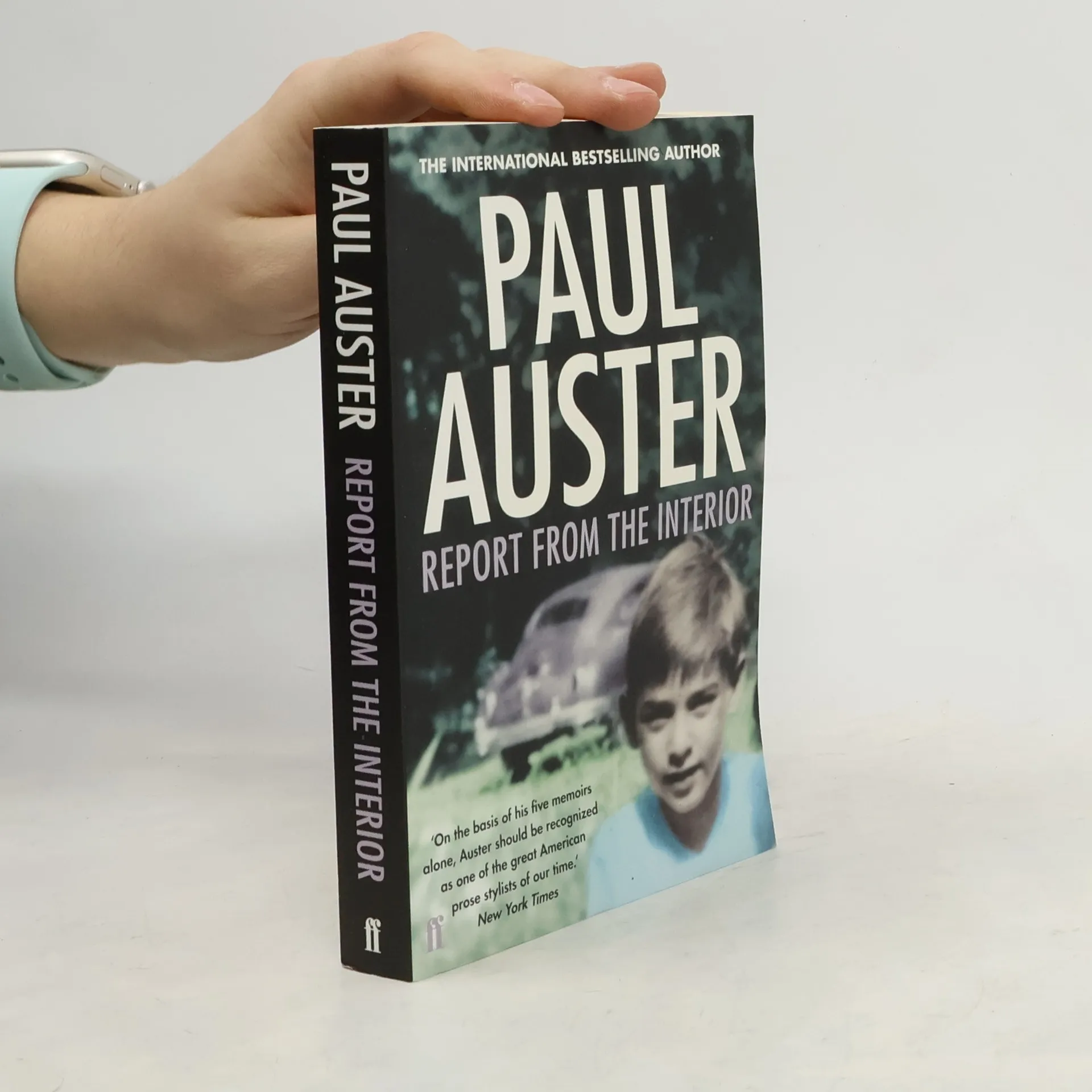
In the beginning, everything was alive. The smallest objects were endowed with beating hearts. Paul Auster recalls his life through the story of his physical self in Winter Journal, now reflecting on his inner development and experiences with the outer world, alongside revealing letters to his first wife, Lydia Davis. This impressionistic portrait of a writer coming of age captures Auster's journey from a baby's-eye view of the moon to his childhood admiration for movie cowboy Buster Crabbe, the composition of his first poem at nine, and his growing awareness of American injustices. It charts his moral, political, and intellectual evolution as he navigates the post-war fifties and the turbulent sixties. Auster evokes the sounds, smells, and sensations of his early life, filled with moving images and his love for cartoons and films. The book culminates uniquely, breaking from prose into pure imagery, with the final section recapitulating the earlier parts through an album of pictures. This four-part work not only tells the story of Auster's times but also of the emerging consciousness of a renowned literary artist, addressing the challenge of autobiography in an unprecedented manner.




Zakup książki
Report from the Interior, Paul Auster
- Język

- Rok wydania
- 2014
- Oprawa
- (miękka)
Metody płatności
Brakuje nam tutaj Twojej recenzji.
- Tytuł
- Report from the Interior
- Język
- angielski
- Autorzy
- Paul Auster
- Wydawca
- Faber and Faber
- Rok wydania
- 2014
- Oprawa
- miękka
- Liczba stron
- 341
- ISBN10
- 0571303692
- ISBN13
- 9780571303694
- Seria
- Kategorie
- Tagi
- Miłość, USA, Literatura amerykańska, Wspomnienia, Rodzicielstwo, Pisanie, Nowy Jork, Młodzież, Studia, Paryż, Pieniądze, Dzieciństwo, Listy, Poszukiwania, Wydarzenia
- Ocena
- 3,3 z 5
- Opis
- In the beginning, everything was alive. The smallest objects were endowed with beating hearts. Paul Auster recalls his life through the story of his physical self in Winter Journal, now reflecting on his inner development and experiences with the outer world, alongside revealing letters to his first wife, Lydia Davis. This impressionistic portrait of a writer coming of age captures Auster's journey from a baby's-eye view of the moon to his childhood admiration for movie cowboy Buster Crabbe, the composition of his first poem at nine, and his growing awareness of American injustices. It charts his moral, political, and intellectual evolution as he navigates the post-war fifties and the turbulent sixties. Auster evokes the sounds, smells, and sensations of his early life, filled with moving images and his love for cartoons and films. The book culminates uniquely, breaking from prose into pure imagery, with the final section recapitulating the earlier parts through an album of pictures. This four-part work not only tells the story of Auster's times but also of the emerging consciousness of a renowned literary artist, addressing the challenge of autobiography in an unprecedented manner.