



Więcej o książce
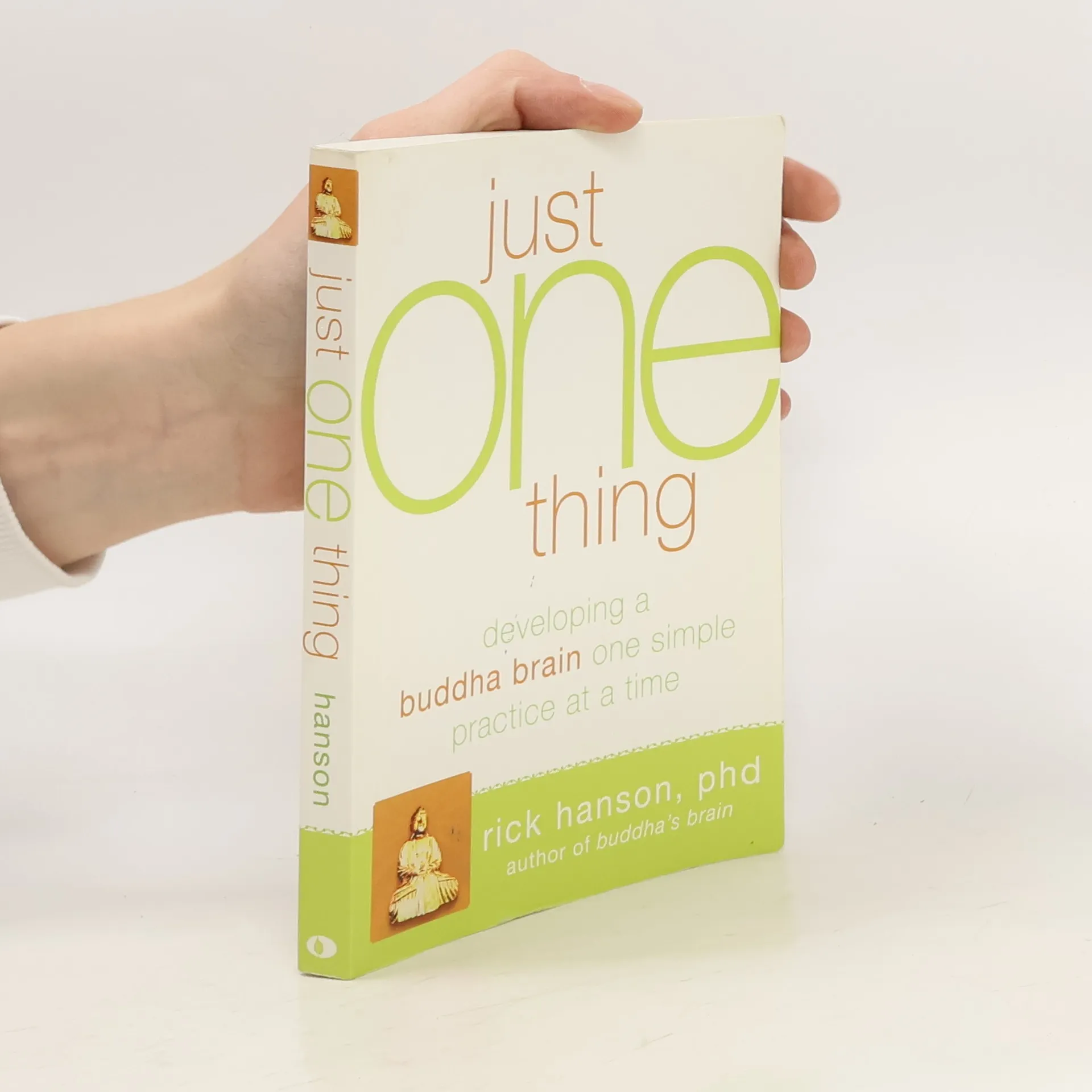
Presents more than fifty simple practices readers can do each day to wire the brain for increased happiness, positive thinking, and wisdom. Written by Rick Hanson, author of Buddha's Brain, this pocket-sized book helps readers reap the benefits of meditation through simple five to ten-minute practices they can access anytime, anywhere. Building on the success of Buddha's Brain, each practice is grounded in neuroscience and positive psychology. The book offers information on why the practice is important and how it works, guidance for performing the practice, and additional resources readers can use to delve deeper into that particular type of practice. Some of the practices encourage readers to focus on gratitude for what they have, while others offer guidance for taking refuge and slowing down in stressful times. All of the practices are designed to gradually change the way readers process their emotions and create new neural pathways for greater happiness and fulfillment.

Zakup książki
Just One Thing: Developing A Buddha Brain One Simple Practice at a Time, Rick Hanson
- Język

- Rok wydania
- 2011
- Oprawa
- (miękka)
Metody płatności
Brakuje nam tutaj Twojej recenzji.
- Tytuł
- Just One Thing: Developing A Buddha Brain One Simple Practice at a Time
- Język
- czeski
- Autorzy
- Rick Hanson
- Wydawca
- New Harbinger Publications
- Rok wydania
- 2011
- Oprawa
- miękka
- Liczba stron
- 224
- ISBN10
- 1608820319
- ISBN13
- 9781608820313
- Seria
- Oryginalna nazwa
- Just one thing
- Ocena
- 4,1 z 5
- Opis
- Presents more than fifty simple practices readers can do each day to wire the brain for increased happiness, positive thinking, and wisdom. Written by Rick Hanson, author of Buddha's Brain, this pocket-sized book helps readers reap the benefits of meditation through simple five to ten-minute practices they can access anytime, anywhere. Building on the success of Buddha's Brain, each practice is grounded in neuroscience and positive psychology. The book offers information on why the practice is important and how it works, guidance for performing the practice, and additional resources readers can use to delve deeper into that particular type of practice. Some of the practices encourage readers to focus on gratitude for what they have, while others offer guidance for taking refuge and slowing down in stressful times. All of the practices are designed to gradually change the way readers process their emotions and create new neural pathways for greater happiness and fulfillment.