



Więcej o książce
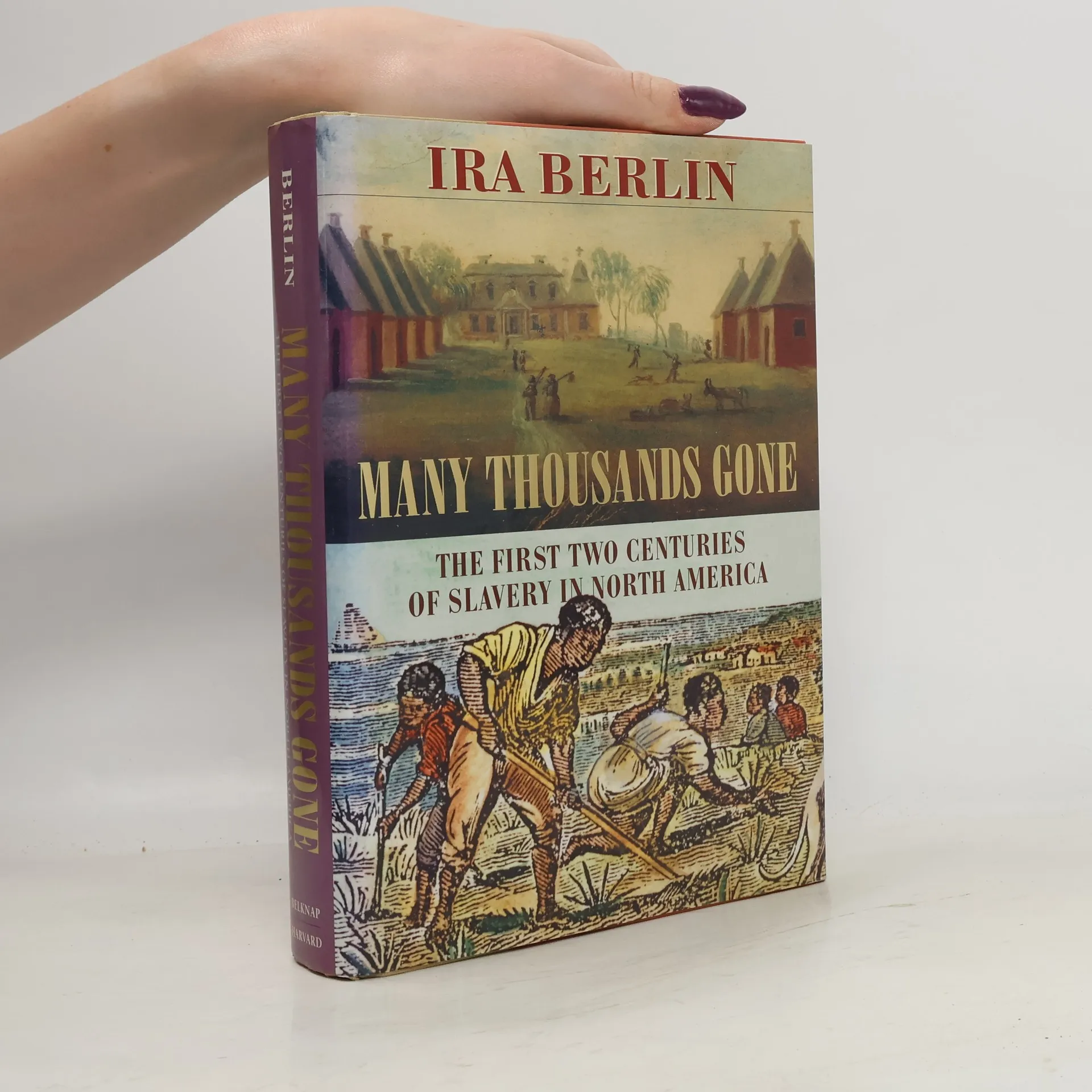
Today, many Americans associate slavery primarily with cotton, the deep South, and the African-American church. However, at the start of the nineteenth century, after nearly two centuries of African-American life in mainland North America, few slaves grew cotton, resided in the deep South, or practiced Christianity. This work traces the evolution of black society from the early seventeenth century through the Revolution. Ira Berlin, a prominent historian, reintegrates slaves into the narrative of the American working class and the broader national tapestry. African Americans labored as field hands on tobacco and rice plantations, skilled artisans in port cities, and soldiers on the frontier, striving to create their own world under challenging circumstances. Spanning from the North to the Chesapeake Bay and the Mississippi Valley, the narrative reveals the diverse forms of slavery and freedom before cotton's dominance. The transition from creole slaves—who worked alongside owners, free blacks, and indentured whites—to plantation generations highlights the grueling labor that defined their society and the preservation of African traditions. As labor dynamics evolved, so too did the relationships between slaves and masters, and between slaves and society. Berlin illustrates how the meanings of slavery and race were continuously renegotiated as the nation moved toward independence and confronted Enlightenment ideals.


Zakup książki
Many Thousands Gone, Ira Berlin
- Język

- Rok wydania
- 1998
- Oprawa
- (twarda)
Metody płatności
Brakuje nam tutaj Twojej recenzji.
- Tytuł
- Many Thousands Gone
- Podtytuł
- The First Two Centuries of Slavery in North America
- Język
- angielski
- Autorzy
- Ira Berlin
- Rok wydania
- 1998
- Oprawa
- twarda
- Liczba stron
- 497
- ISBN10
- 0674810929
- ISBN13
- 9780674810921
- Seria
- Tagi
- Tematy historyczne, Literatura amerykańska, Historia USA, Rasa & Rasizm, Sprawiedliwość społeczna, Literatura afroamerykańska
- Ocena
- 4,1 z 5
- Opis
- Today, many Americans associate slavery primarily with cotton, the deep South, and the African-American church. However, at the start of the nineteenth century, after nearly two centuries of African-American life in mainland North America, few slaves grew cotton, resided in the deep South, or practiced Christianity. This work traces the evolution of black society from the early seventeenth century through the Revolution. Ira Berlin, a prominent historian, reintegrates slaves into the narrative of the American working class and the broader national tapestry. African Americans labored as field hands on tobacco and rice plantations, skilled artisans in port cities, and soldiers on the frontier, striving to create their own world under challenging circumstances. Spanning from the North to the Chesapeake Bay and the Mississippi Valley, the narrative reveals the diverse forms of slavery and freedom before cotton's dominance. The transition from creole slaves—who worked alongside owners, free blacks, and indentured whites—to plantation generations highlights the grueling labor that defined their society and the preservation of African traditions. As labor dynamics evolved, so too did the relationships between slaves and masters, and between slaves and society. Berlin illustrates how the meanings of slavery and race were continuously renegotiated as the nation moved toward independence and confronted Enlightenment ideals.