



Więcej o książce
This provocative religious history examines the rise of Christianity through the lens of traditional religions, highlighting the perspectives of those whose lives were upended by what they perceived as a powerful cult. The "pagans" in question were devout Greeks, Romans, Syrians, and Gauls who adhered to their ancestral traditions. To these polytheists, the Christians, who worshipped a single deity, appeared as immoral atheists, believing that a mere splash of water at death could absolve a lifetime of sins. The author takes readers on an engaging journey through the Ancient Roman world up to the fourth century CE, a time when individuals from various backgrounds faced the imposition of a new faith by rulers favoring this unfamiliar god. Some embraced the new religion, while others dismissed it as a fleeting trend. The narrative vividly brings to life pagan rituals and essential aspects of Roman religion and society, presenting fresh insights into historical figures like Constantine, Julian, and Augustine. It explores significant themes such as the tension between Rome and the East, civilization versus barbarism, plurality versus unity, and the dichotomy of rich versus poor, all within this compelling account.


Zakup książki
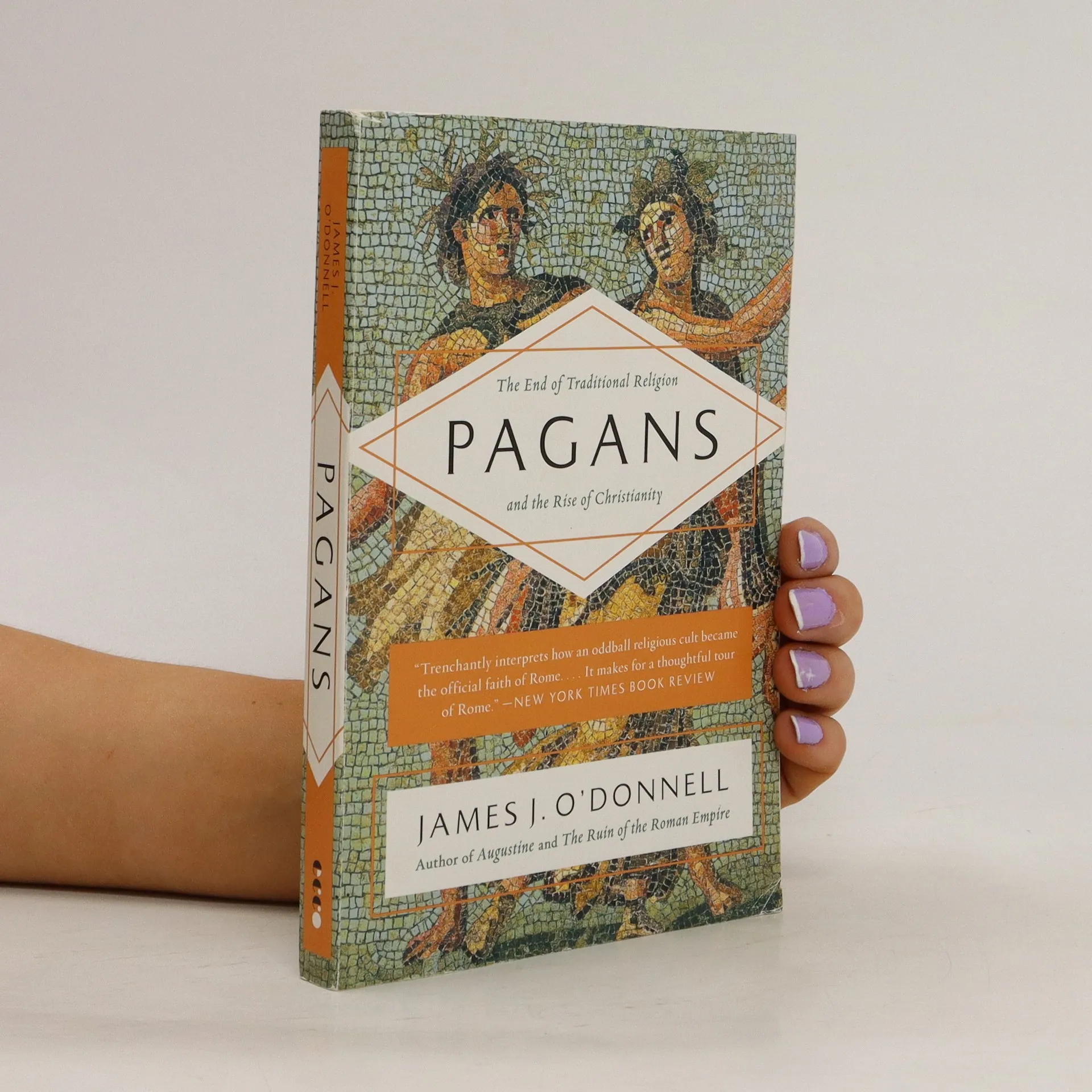
Pagans: the end of traditional religion and the rise of Christianity, James J. O. Donnell
- Język

- Rok wydania
- 2016
- Oprawa
- (miękka)
Metody płatności
Brakuje nam tutaj Twojej recenzji.
- Tytuł
- Pagans: the end of traditional religion and the rise of Christianity
- Język
- angielski
- Autorzy
- James J. O. Donnell
- Wydawca
- Ecco
- Rok wydania
- 2016
- Oprawa
- miękka
- Liczba stron
- 288
- ISBN10
- 0061845396
- ISBN13
- 9780061845390
- Seria
- Kategorie
- Ocena
- 3,35 z 5
- Opis
- This provocative religious history examines the rise of Christianity through the lens of traditional religions, highlighting the perspectives of those whose lives were upended by what they perceived as a powerful cult. The "pagans" in question were devout Greeks, Romans, Syrians, and Gauls who adhered to their ancestral traditions. To these polytheists, the Christians, who worshipped a single deity, appeared as immoral atheists, believing that a mere splash of water at death could absolve a lifetime of sins. The author takes readers on an engaging journey through the Ancient Roman world up to the fourth century CE, a time when individuals from various backgrounds faced the imposition of a new faith by rulers favoring this unfamiliar god. Some embraced the new religion, while others dismissed it as a fleeting trend. The narrative vividly brings to life pagan rituals and essential aspects of Roman religion and society, presenting fresh insights into historical figures like Constantine, Julian, and Augustine. It explores significant themes such as the tension between Rome and the East, civilization versus barbarism, plurality versus unity, and the dichotomy of rich versus poor, all within this compelling account.