

Więcej o książce
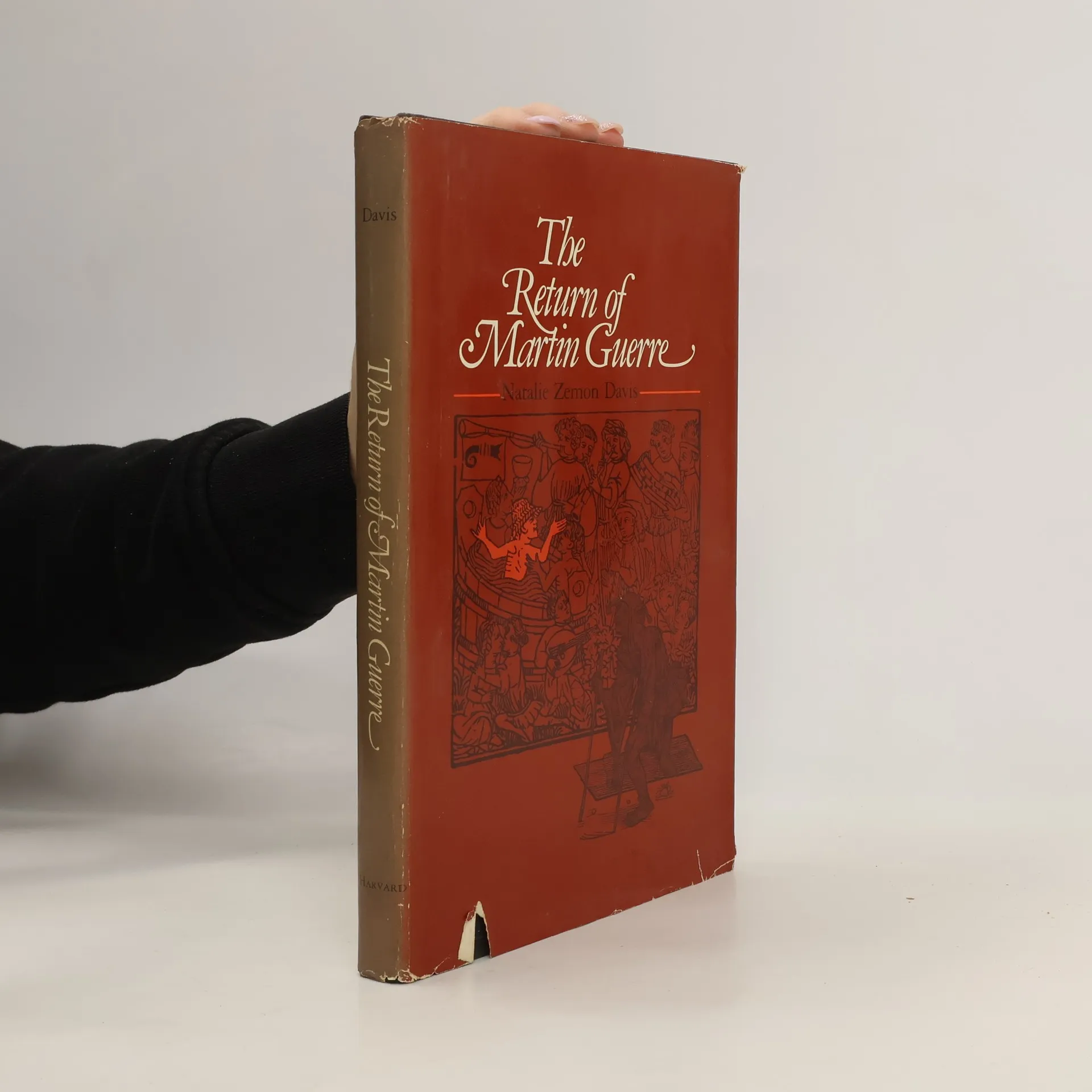
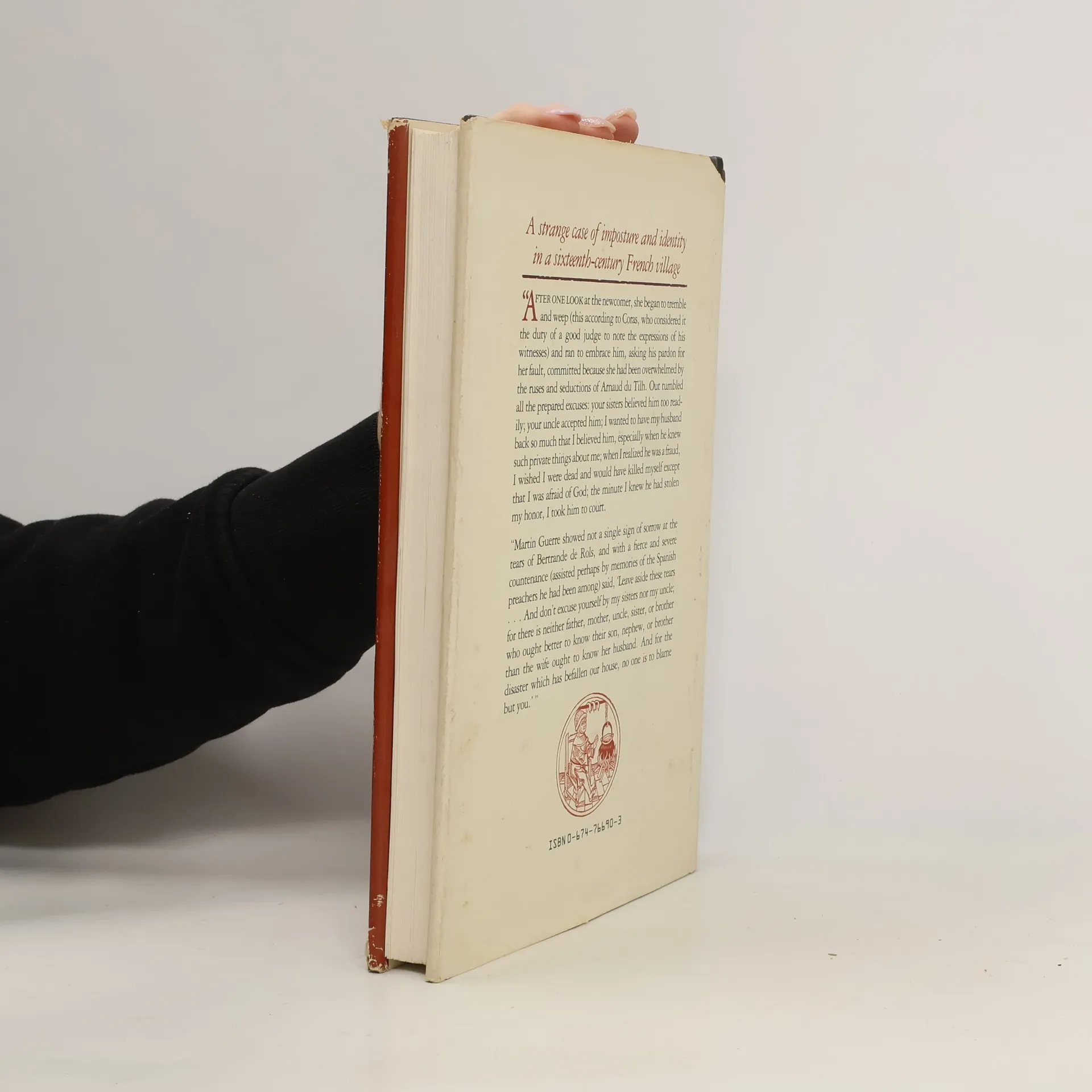
The clever peasant Arnaud du Tilh had almost persuaded the learned judges at the Parlement of Toulouse when, on a summer’s day in 1560, a man swaggered into the court on a wooden leg, denounced Arnaud, and reestablished his claim to the identity, property, and wife of Martin Guerre. The astonishing case captured the imagination of the continent. Told and retold over the centuries, the story of Martin Guerre became a legend, still remembered in the Pyrenean village where the impostor was executed more than 400 years ago.Now a noted historian, who served as consultant for a new French film on Martin Guerre, has searched archives and lawbooks to add new dimensions to a tale already abundant in mysteries: we are led to ponder how a common man could become an impostor in the sixteenth century, why Bertrande de Rols, an honorable peasant woman, would accept such a man as her husband, and why lawyers, poets, and men of letters like Montaigne became so fascinated with the episode.


Wydanie


Zakup książki
The Return of Martin Guerre, Natalie Zemon Davis
- Język

- Rok wydania
- Oprawa
- (twarda)
Metody płatności
Brakuje nam tutaj Twojej recenzji.
- Tytuł
- The Return of Martin Guerre
- Język
- angielski
- Autorzy
- Natalie Zemon Davis
- Oprawa
- twarda
- Seria
- Tagi
- Tematy historyczne, Francja, Szkoła, Historia kultury, Historia życia codziennego, Mikrohistorie
- Oryginalna nazwa
- Retour de Martin Guerre
- Ocena
- 3,75 z 5
- Opis
- The clever peasant Arnaud du Tilh had almost persuaded the learned judges at the Parlement of Toulouse when, on a summer’s day in 1560, a man swaggered into the court on a wooden leg, denounced Arnaud, and reestablished his claim to the identity, property, and wife of Martin Guerre. The astonishing case captured the imagination of the continent. Told and retold over the centuries, the story of Martin Guerre became a legend, still remembered in the Pyrenean village where the impostor was executed more than 400 years ago.Now a noted historian, who served as consultant for a new French film on Martin Guerre, has searched archives and lawbooks to add new dimensions to a tale already abundant in mysteries: we are led to ponder how a common man could become an impostor in the sixteenth century, why Bertrande de Rols, an honorable peasant woman, would accept such a man as her husband, and why lawyers, poets, and men of letters like Montaigne became so fascinated with the episode.