

Więcej o książce
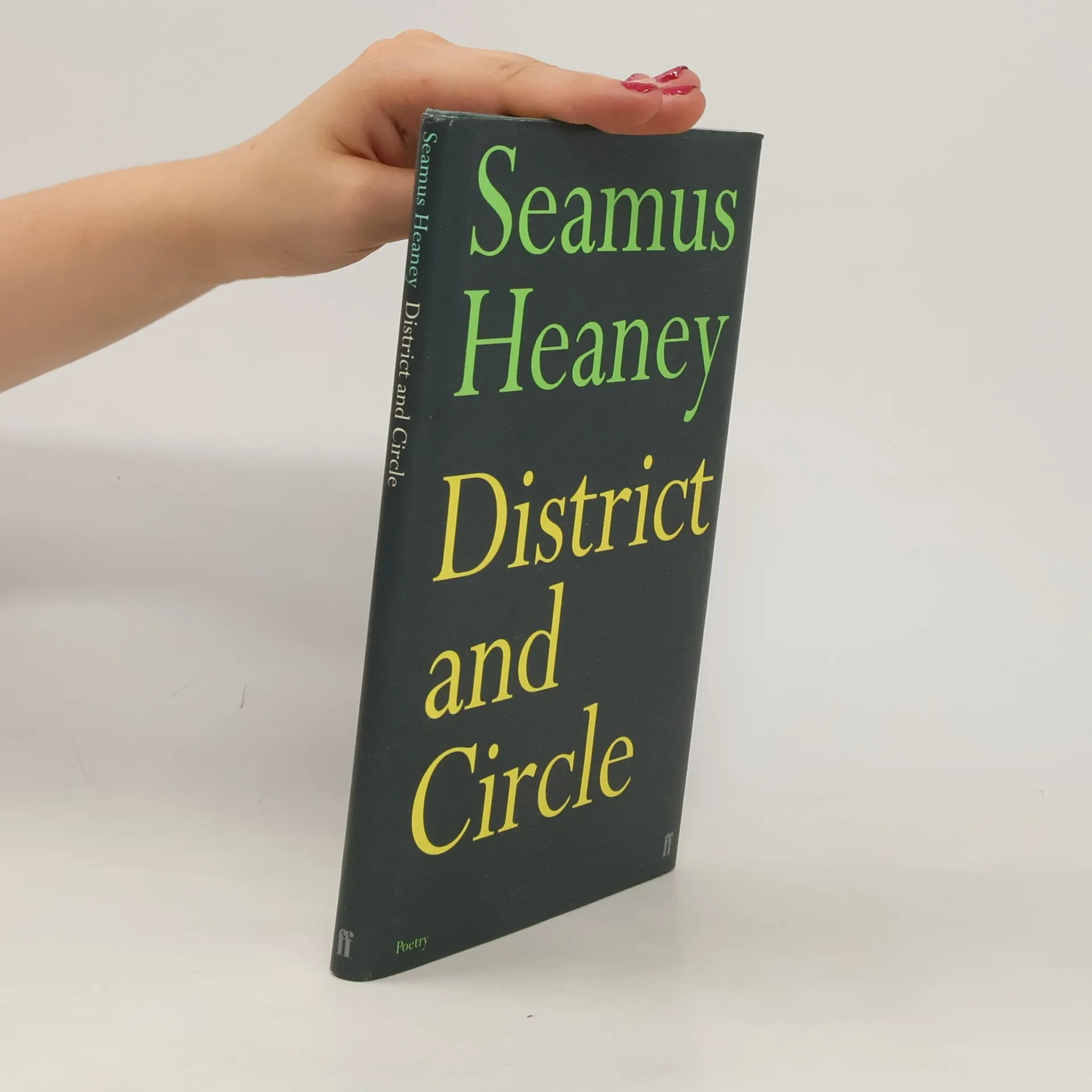
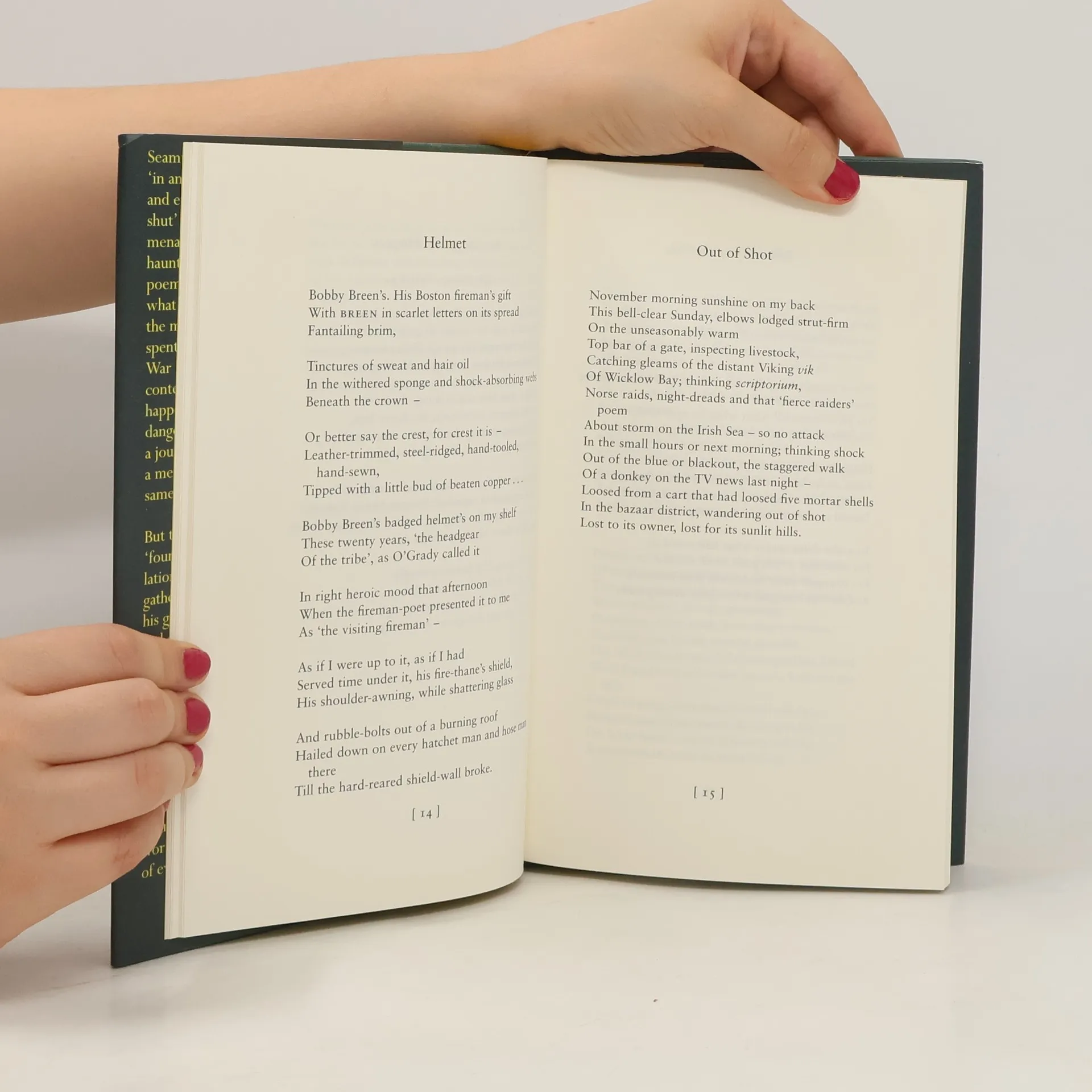
From the Dust Jacket: Seamus Heaney's new collection starts 'in an age of bare hands and cast iron' and ends 'as the automatic lock/clunks shut' in the eerie new conditions of a menaced twenty-first century. In their haunted, almost visionary clarity, these poems assay the weight and worth of what has been held in the hand and in the memory. Scenes from a childhood spent far from the horrors of World War II are coloured by a strongly contemporary sense that 'anything can happen' and other images from the dangerous present-a fireman's helmet, a journey on the underground, a melting glacier-are fraught with this same anxiety. But the volume, which includes some 'found prose' and a number of translations, offers resistance as Heaney gathers his staying powers and stands his ground in the hiding places of love and excited language. In a sequence like 'The Tollund Man in Springtime' and in several poems which 'do the rounds of the district'-its known roads and rivers and trees, its familiar and unfamiliar ghosts-threats to the planet are intuited in the local place, yet a lyric force prevails. With more relish and conviction than ever, Heaney maintains his trust in the obduracy of workaday realities and the mystery of everyday renewals


Zakup książki
District and Circle, Seamus Heaney
- Język

- Rok wydania
- 2006
- Oprawa
- (twarda)
Metody płatności
Brakuje nam tutaj Twojej recenzji.
- Tytuł
- District and Circle
- Język
- angielski
- Autorzy
- Seamus Heaney
- Rok wydania
- 2006
- Oprawa
- twarda
- Liczba stron
- 76
- ISBN10
- 0571230962
- ISBN13
- 9780571230969
- Seria
- Ocena
- 4 z 5
- Opis
- From the Dust Jacket: Seamus Heaney's new collection starts 'in an age of bare hands and cast iron' and ends 'as the automatic lock/clunks shut' in the eerie new conditions of a menaced twenty-first century. In their haunted, almost visionary clarity, these poems assay the weight and worth of what has been held in the hand and in the memory. Scenes from a childhood spent far from the horrors of World War II are coloured by a strongly contemporary sense that 'anything can happen' and other images from the dangerous present-a fireman's helmet, a journey on the underground, a melting glacier-are fraught with this same anxiety. But the volume, which includes some 'found prose' and a number of translations, offers resistance as Heaney gathers his staying powers and stands his ground in the hiding places of love and excited language. In a sequence like 'The Tollund Man in Springtime' and in several poems which 'do the rounds of the district'-its known roads and rivers and trees, its familiar and unfamiliar ghosts-threats to the planet are intuited in the local place, yet a lyric force prevails. With more relish and conviction than ever, Heaney maintains his trust in the obduracy of workaday realities and the mystery of everyday renewals