

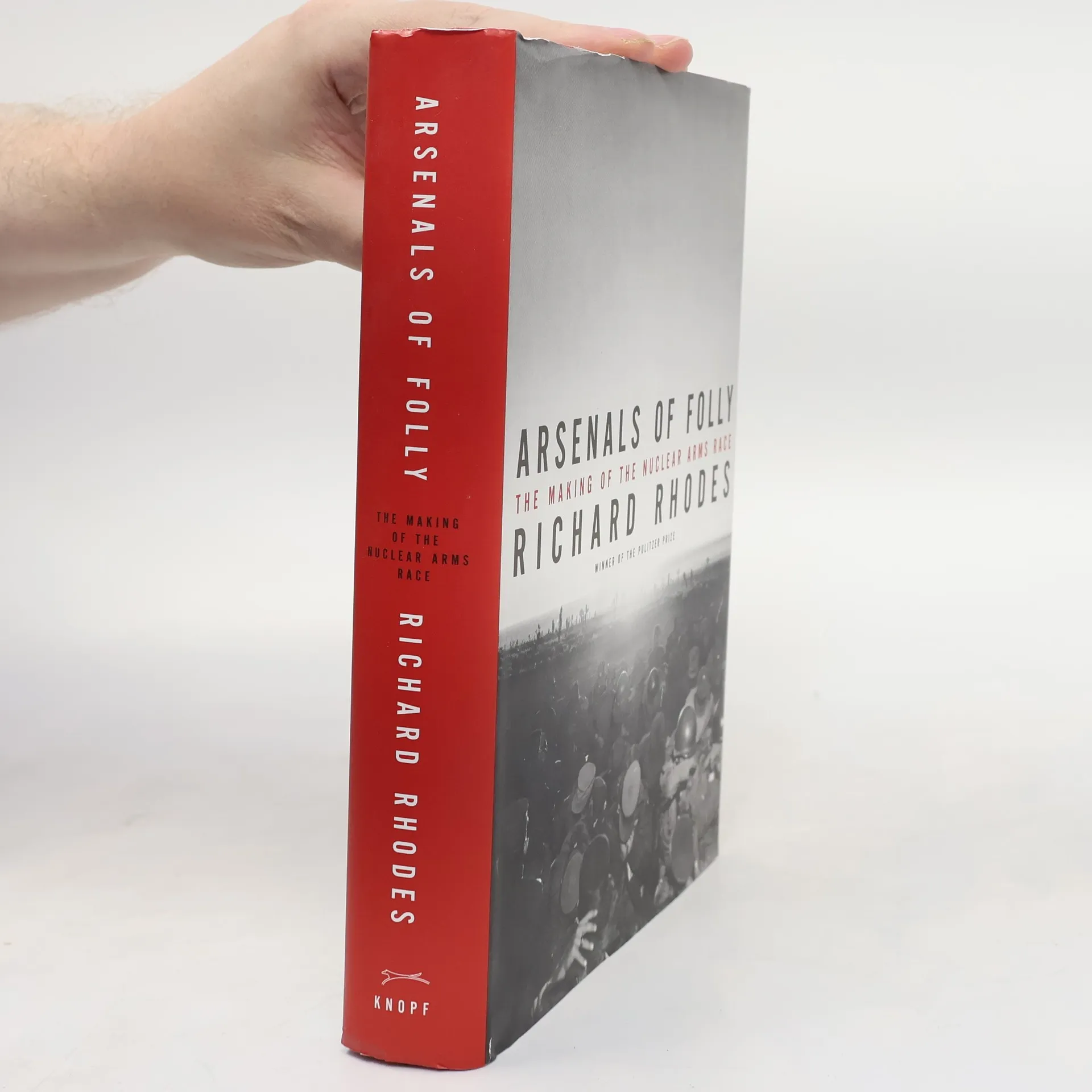
Więcej o książce
From the Pulitzer Prize-winning author of The Making of the Atomic Bomb comes a gripping account of the postwar superpower arms race, culminating in the Reagan-Gorbachev era when the U.S. and the Soviet Union teetered on the brink of nuclear war, only to consider abolishing nuclear weapons. The narrative unfolds like a thriller, detailing how the Reagan administration's arms buildup in the early 1980s led Soviet leader Yuri Andropov to fear an impending nuclear conflict. During NATO's extensive military exercises in the fall of 1983, the Soviet military nearly launched a preemptive strike as tensions escalated. U.S. intelligence finally recognized the imminent danger, prompting Reagan to initiate an arms-reduction campaign in his second term, paving the way for the pivotal 1986 summit in Reykjavik, Iceland. Rhodes also examines the influence of neoconservatives like Richard Perle, Donald Rumsfeld, and Dick Cheney, highlighting how Perle's actions undermined the Reykjavik meeting by convincing Reagan that disarmament would jeopardize his strategic defense goals. This exploration serves as a prehistory of neoconservative tactics, illustrating how the manipulation of intelligence and public opinion seen in the Bush administration's justification for the Iraq War has roots in the Reagan era. Drawing on interviews and newly available documentation, Rhodes provides a compelling and surprising account of the final years of the Cold


Zakup książki
Arsenals of Folly, Richard Rhodes
- Język

- Rok wydania
- 2007
- Oprawa
- (twarda)
Metody płatności
Brakuje nam tutaj Twojej recenzji.
- Tytuł
- Arsenals of Folly
- Podtytuł
- The Making of the Nuclear Arms Race
- Język
- angielski
- Autorzy
- Richard Rhodes
- Wydawca
- Alfred A. Knopf
- Rok wydania
- 2007
- Oprawa
- twarda
- Liczba stron
- 400
- ISBN10
- 0375414134
- ISBN13
- 9780375414138
- Seria
- Kategorie
- Tagi
- Tematy historyczne, Polityka, Nauka, Wojny, Historia USA
- Ocena
- 4,5 z 5
- Opis
- From the Pulitzer Prize-winning author of The Making of the Atomic Bomb comes a gripping account of the postwar superpower arms race, culminating in the Reagan-Gorbachev era when the U.S. and the Soviet Union teetered on the brink of nuclear war, only to consider abolishing nuclear weapons. The narrative unfolds like a thriller, detailing how the Reagan administration's arms buildup in the early 1980s led Soviet leader Yuri Andropov to fear an impending nuclear conflict. During NATO's extensive military exercises in the fall of 1983, the Soviet military nearly launched a preemptive strike as tensions escalated. U.S. intelligence finally recognized the imminent danger, prompting Reagan to initiate an arms-reduction campaign in his second term, paving the way for the pivotal 1986 summit in Reykjavik, Iceland. Rhodes also examines the influence of neoconservatives like Richard Perle, Donald Rumsfeld, and Dick Cheney, highlighting how Perle's actions undermined the Reykjavik meeting by convincing Reagan that disarmament would jeopardize his strategic defense goals. This exploration serves as a prehistory of neoconservative tactics, illustrating how the manipulation of intelligence and public opinion seen in the Bush administration's justification for the Iraq War has roots in the Reagan era. Drawing on interviews and newly available documentation, Rhodes provides a compelling and surprising account of the final years of the Cold