

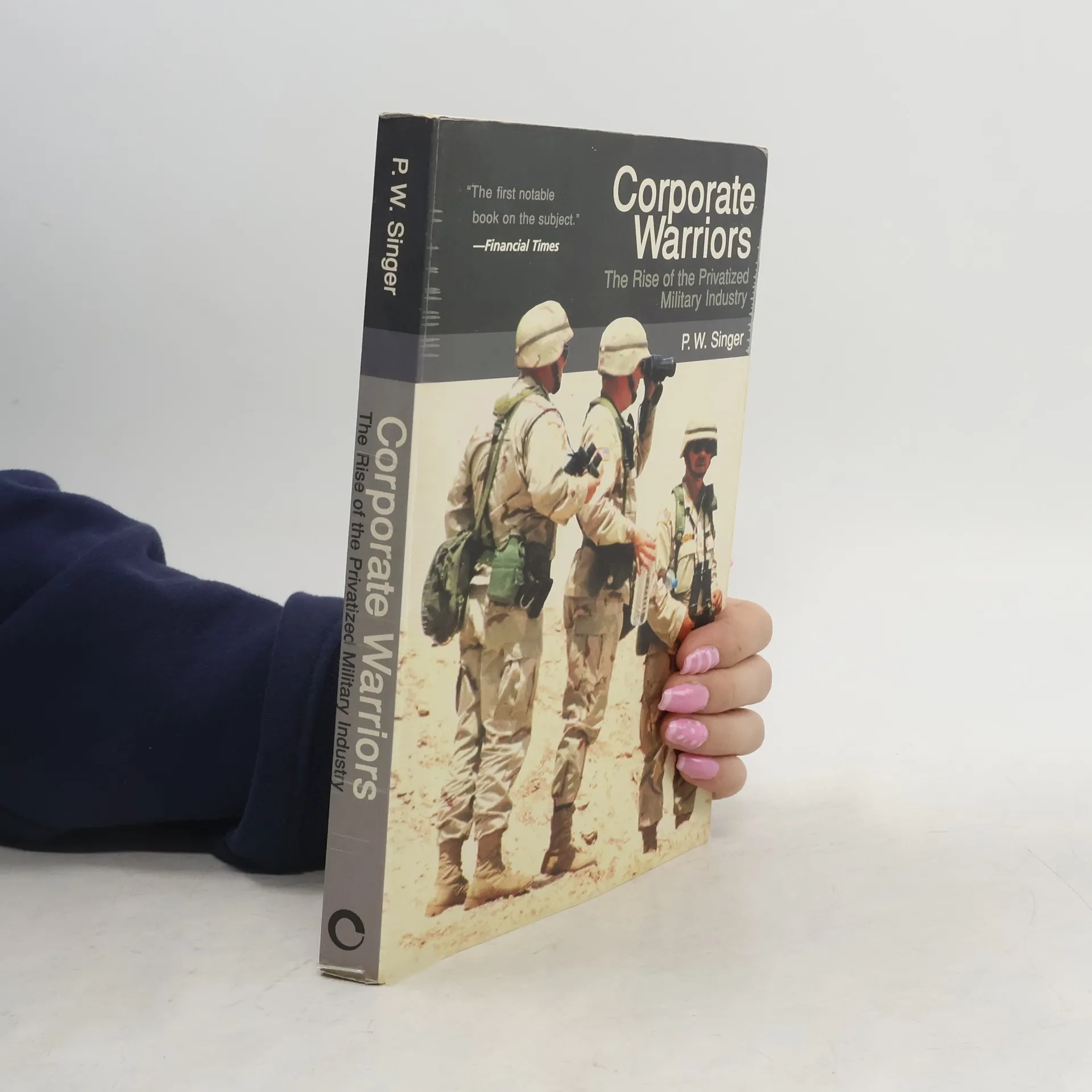


Parametry
- 304 strony
- 11 godzin czytania
Więcej o książce
Some have claimed that "War is too important to be left to the generals," but P. W. Singer questions, "What about the business executives?" Moving beyond traditional mercenaries, corporations now offer skills and services once reserved for state militaries. Their offerings include trained commando teams and strategic advice from generals. This emerging "Privatized Military Industry" comprises hundreds of companies, thousands of employees, and billions in revenue. These firms have engaged in conflicts across Africa, Asia, the Balkans, and Latin America, increasingly becoming integral to U.S. military operations. Private corporations, driven by profit, now influence the trajectory of national and international conflicts, yet the implications remain largely unexamined. Singer provides a comprehensive account of the military services industry, detailing its operations and the various types of military providers, including tactical troops, military consultants, and support companies that offer logistics, intelligence, and engineering. While the privatization of warfare introduces new capabilities and efficiencies, it also raises significant concerns regarding democracy, ethics, management, human rights, and national security.


W magazynie mamy łącznie książkiCorporate Warriors(2003)
Zakup książki
Corporate Warriors, P. W. Peter Warren Singer
- Język

- Rok wydania
- 2003
- Oprawa
- (miękka),
- Stan książki
- Dobry
- Cena
- 14,05 zł
Metody płatności
Brakuje nam tutaj Twojej recenzji.
- Tytuł
- Corporate Warriors
- Podtytuł
- The Rise of the Privatized Military Industry
- Język
- angielski
- Autorzy
- P. W. Peter Warren Singer
- Wydawca
- Cornell Uni ver sity Press
- Rok wydania
- 2003
- Oprawa
- miękka
- Liczba stron
- 304
- ISBN10
- 0801489156
- ISBN13
- 9780801489150
- Seria
- Kategorie
- Ocena
- 3,85 z 5
- Opis
- Some have claimed that "War is too important to be left to the generals," but P. W. Singer questions, "What about the business executives?" Moving beyond traditional mercenaries, corporations now offer skills and services once reserved for state militaries. Their offerings include trained commando teams and strategic advice from generals. This emerging "Privatized Military Industry" comprises hundreds of companies, thousands of employees, and billions in revenue. These firms have engaged in conflicts across Africa, Asia, the Balkans, and Latin America, increasingly becoming integral to U.S. military operations. Private corporations, driven by profit, now influence the trajectory of national and international conflicts, yet the implications remain largely unexamined. Singer provides a comprehensive account of the military services industry, detailing its operations and the various types of military providers, including tactical troops, military consultants, and support companies that offer logistics, intelligence, and engineering. While the privatization of warfare introduces new capabilities and efficiencies, it also raises significant concerns regarding democracy, ethics, management, human rights, and national security.