





Więcej o książce
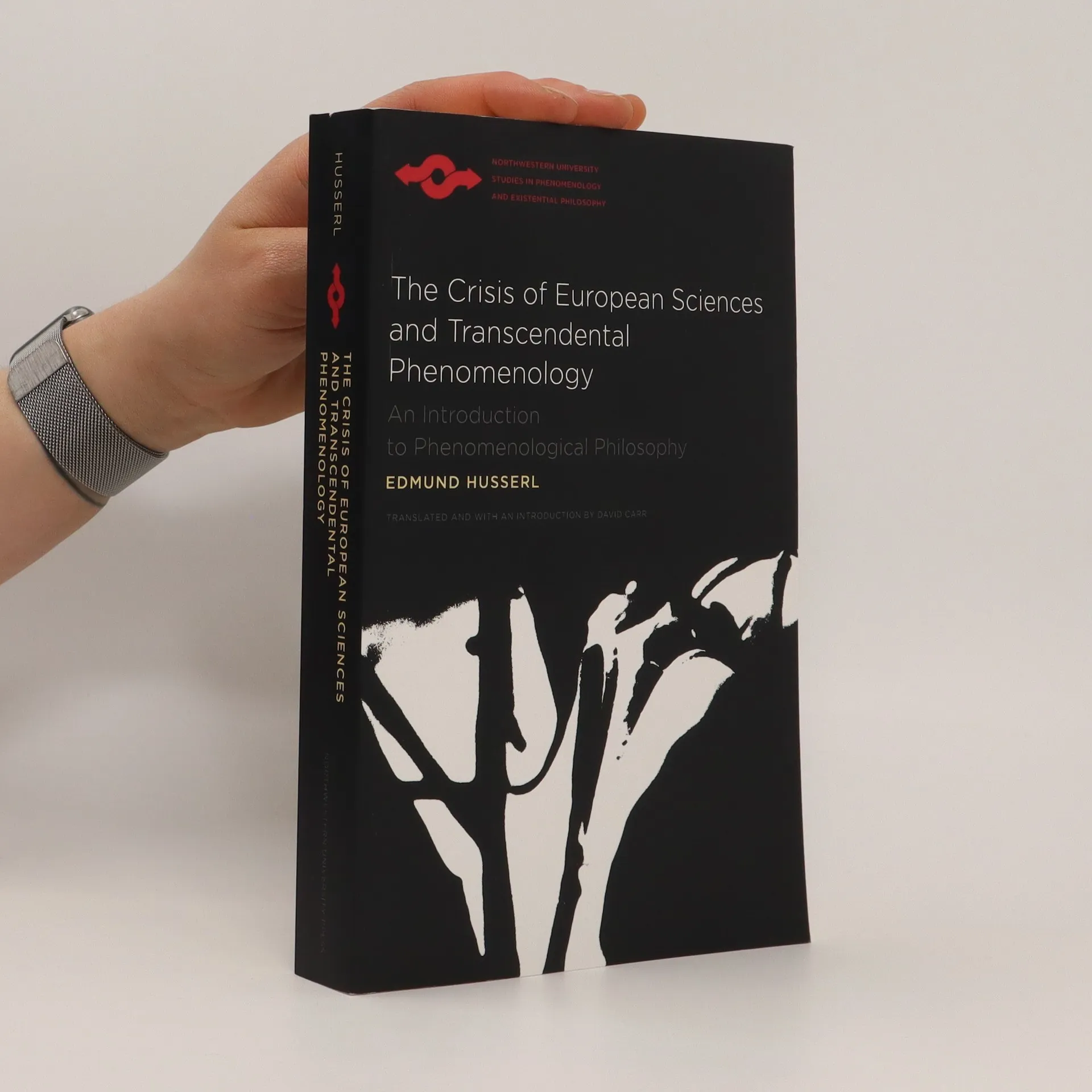
The Crisis of European Sciences and Transcendental Phenomenology, Husserl's last great work, is important both for its content and for the influence it has had on other philosophers. In this book, which remained unfinished at his death, Husserl attempts to forge a union between phenomenology and existentialism. Husserl provides not only a history of philosophy but a philosophy of history. As he says in Part I, "The genuine spiritual struggles of European humanity as such take the form of struggles between the philosophies, that is, between the skeptical philosophies--or nonphilosophies, which retain the word but not the task--and the actual and still vital philosophies. But the vitality of the latter consists in the fact that they are struggling for their true and genuine meaning and thus for the meaning of a genuine humanity."


Zakup książki
The Crisis of European Sciences and Transcendental Phenomenology, Edmund Husserl
- Język

- Rok wydania
- 1970
- Oprawa
- (miękka)
Metody płatności
Brakuje nam tutaj Twojej recenzji.
- Tytuł
- The Crisis of European Sciences and Transcendental Phenomenology
- Język
- angielski
- Autorzy
- Edmund Husserl
- Rok wydania
- 1970
- Oprawa
- miękka
- Liczba stron
- 405
- ISBN10
- 081010458x
- ISBN13
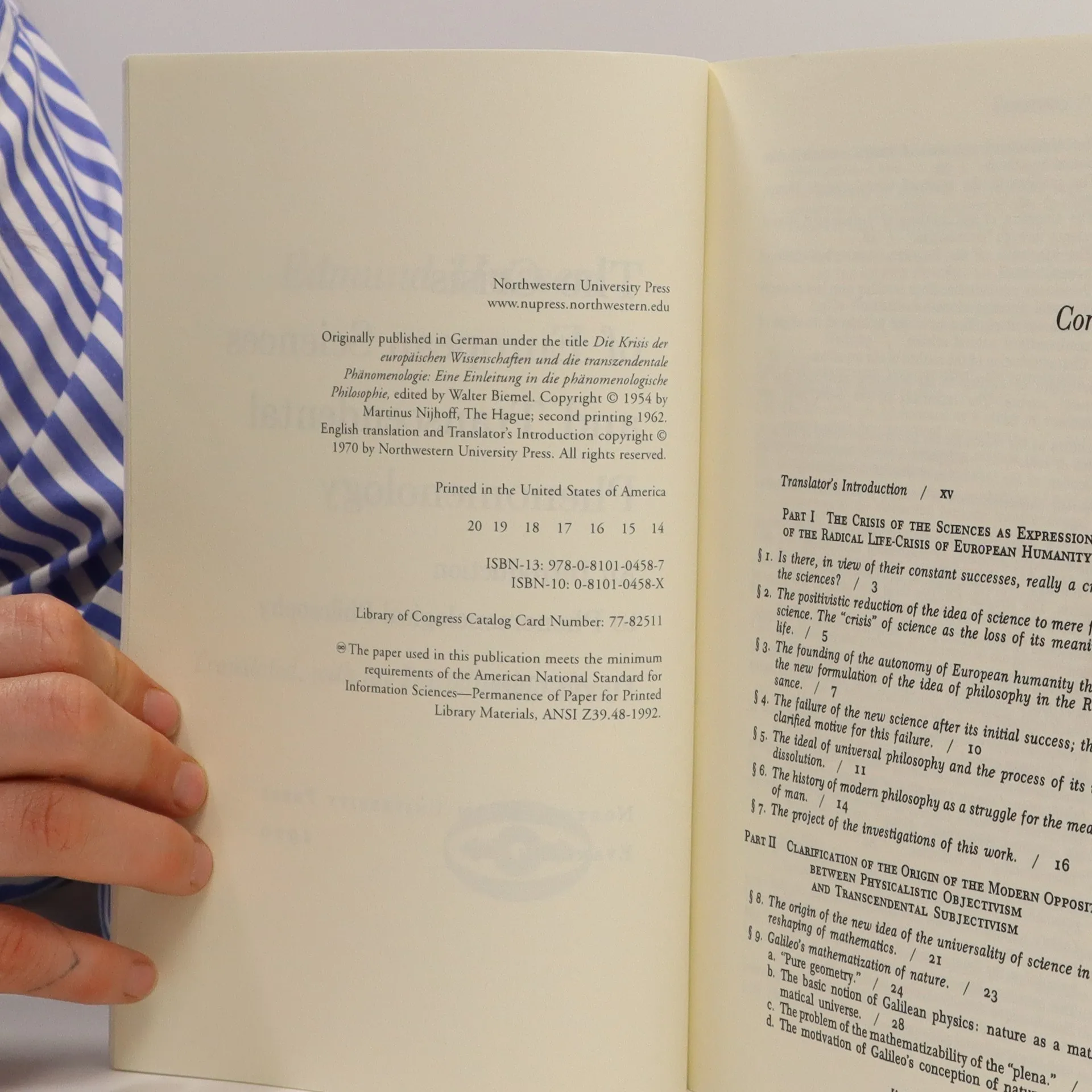
- 9780810104587
- Seria
- Kategorie
- Tagi
- Tematyka psychologiczna, Tematyka filozoficzna, Literatura niemiecka, Nauka, XX wiek, Historia nauki, Metodologia, Filozofia nauki, Fenomenologia, Gnozeologia, epistemologia, Nauka krytycznie
- Pierwsze wydanie
- 1936
- Oryginalna nazwa
- Krisis der europäischen Wissenschaften und die transzendentale Phänomenologie
- Ocena
- 4 z 5
- Opis
- The Crisis of European Sciences and Transcendental Phenomenology, Husserl's last great work, is important both for its content and for the influence it has had on other philosophers. In this book, which remained unfinished at his death, Husserl attempts to forge a union between phenomenology and existentialism. Husserl provides not only a history of philosophy but a philosophy of history. As he says in Part I, "The genuine spiritual struggles of European humanity as such take the form of struggles between the philosophies, that is, between the skeptical philosophies--or nonphilosophies, which retain the word but not the task--and the actual and still vital philosophies. But the vitality of the latter consists in the fact that they are struggling for their true and genuine meaning and thus for the meaning of a genuine humanity."