

Więcej o książce
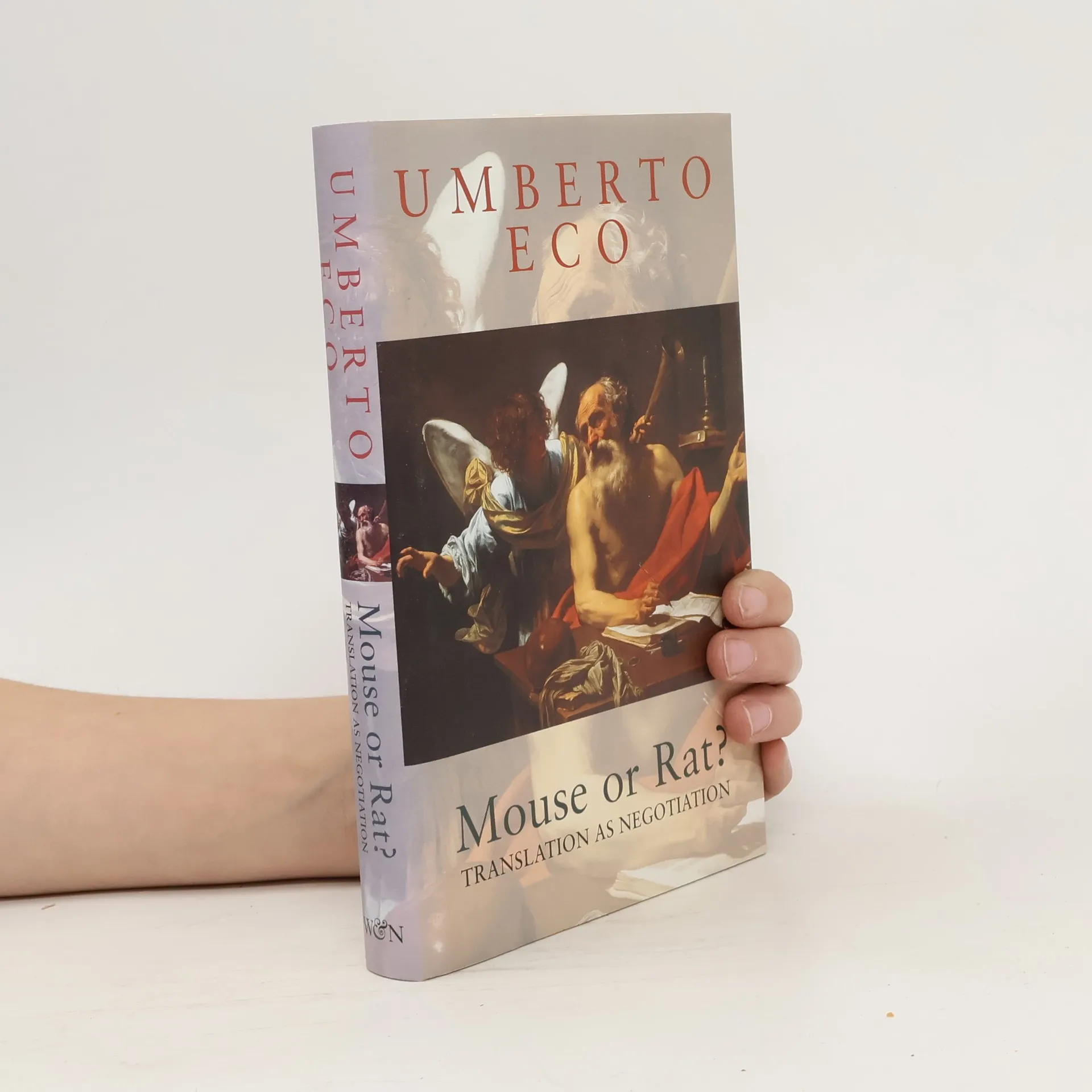
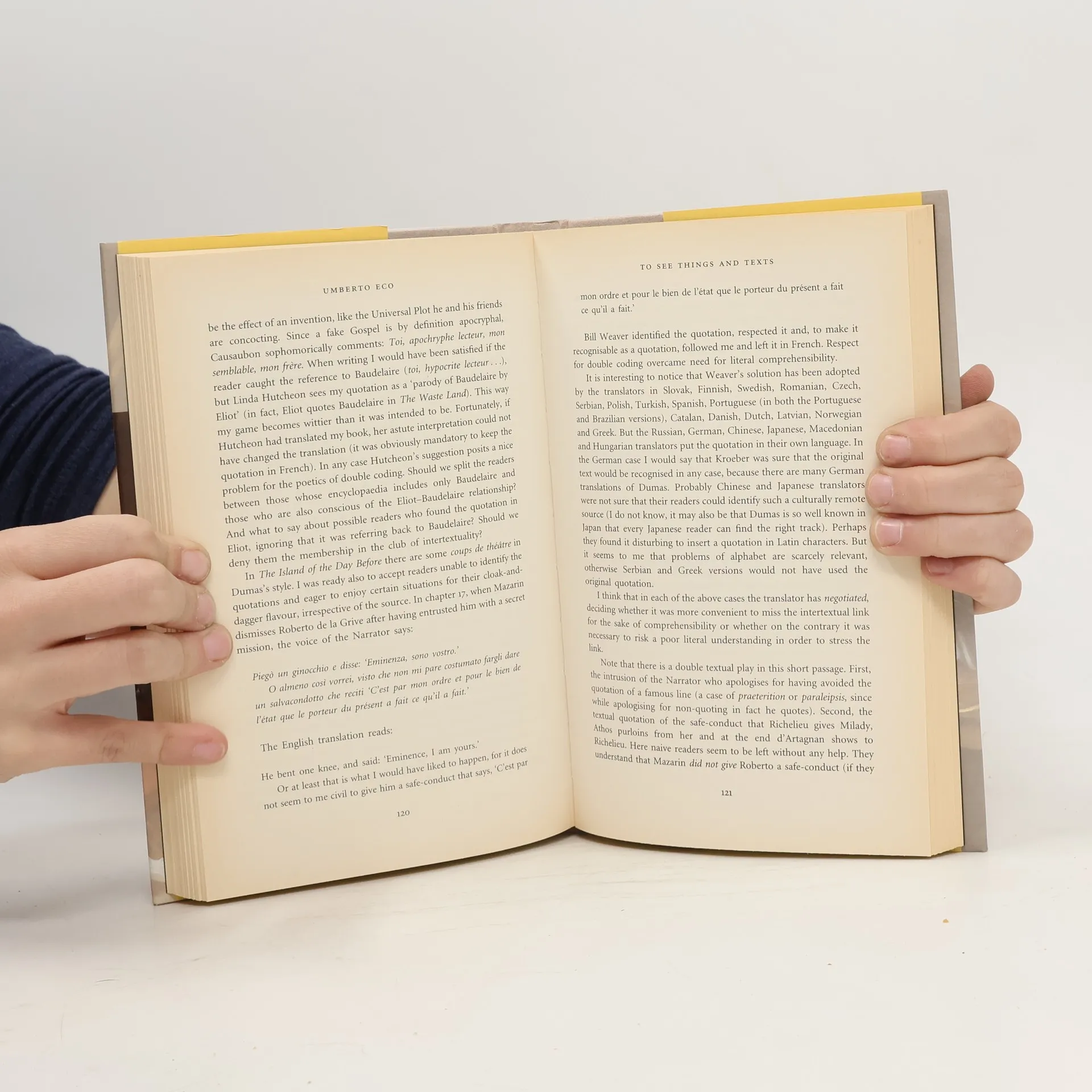
Based on a series of lectures on translation these essays are thought-provoking and compelling discussions on the difficulties of translating faithfully. Using examples from classic literary texts including his own bestselling novels Eco examines the rights and wrongs, the misunderstandings and the 'negotiations' needed in order to translate. He examines various problems in translation with great wit and humour. Pointing out the pitfalls of literal translation, he asks a machine to translate the beginning of the Bible into Spanish then back into English, then into German and then again back into English. The result is very funny but as Eco points out, it is still vaguely recognisable as a version of the Bible and obviously not the first adventure of Harry Potter. He discusses every form of interpretation and expression from poetry to film and music always demonstrating with vivid examples the disastrous but often hilarious outcome of mistranslation.The main point of all these essays is that translation is always a matter of negotiation; whether it be a loss or a gain on either side a translator's job is to decide what elements are vital and which may be neglected.


Zakup książki
Mouse or Rat?, Umberto Eco
- Język

- Rok wydania
- 2003
- Oprawa
- (twarda)
Metody płatności
Brakuje nam tutaj Twojej recenzji.
- Tytuł
- Mouse or Rat?
- Język
- angielski
- Autorzy
- Umberto Eco
- Wydawca
- W&N
- Rok wydania
- 2003
- Oprawa
- twarda
- Liczba stron
- 164
- ISBN10
- 0297830015
- ISBN13
- 9780297830016
- Seria
- Ocena
- 3,75 z 5
- Opis
- Based on a series of lectures on translation these essays are thought-provoking and compelling discussions on the difficulties of translating faithfully. Using examples from classic literary texts including his own bestselling novels Eco examines the rights and wrongs, the misunderstandings and the 'negotiations' needed in order to translate. He examines various problems in translation with great wit and humour. Pointing out the pitfalls of literal translation, he asks a machine to translate the beginning of the Bible into Spanish then back into English, then into German and then again back into English. The result is very funny but as Eco points out, it is still vaguely recognisable as a version of the Bible and obviously not the first adventure of Harry Potter. He discusses every form of interpretation and expression from poetry to film and music always demonstrating with vivid examples the disastrous but often hilarious outcome of mistranslation.The main point of all these essays is that translation is always a matter of negotiation; whether it be a loss or a gain on either side a translator's job is to decide what elements are vital and which may be neglected.