

Parametry
- 315 stron
- 12 godzin czytania
Więcej o książce
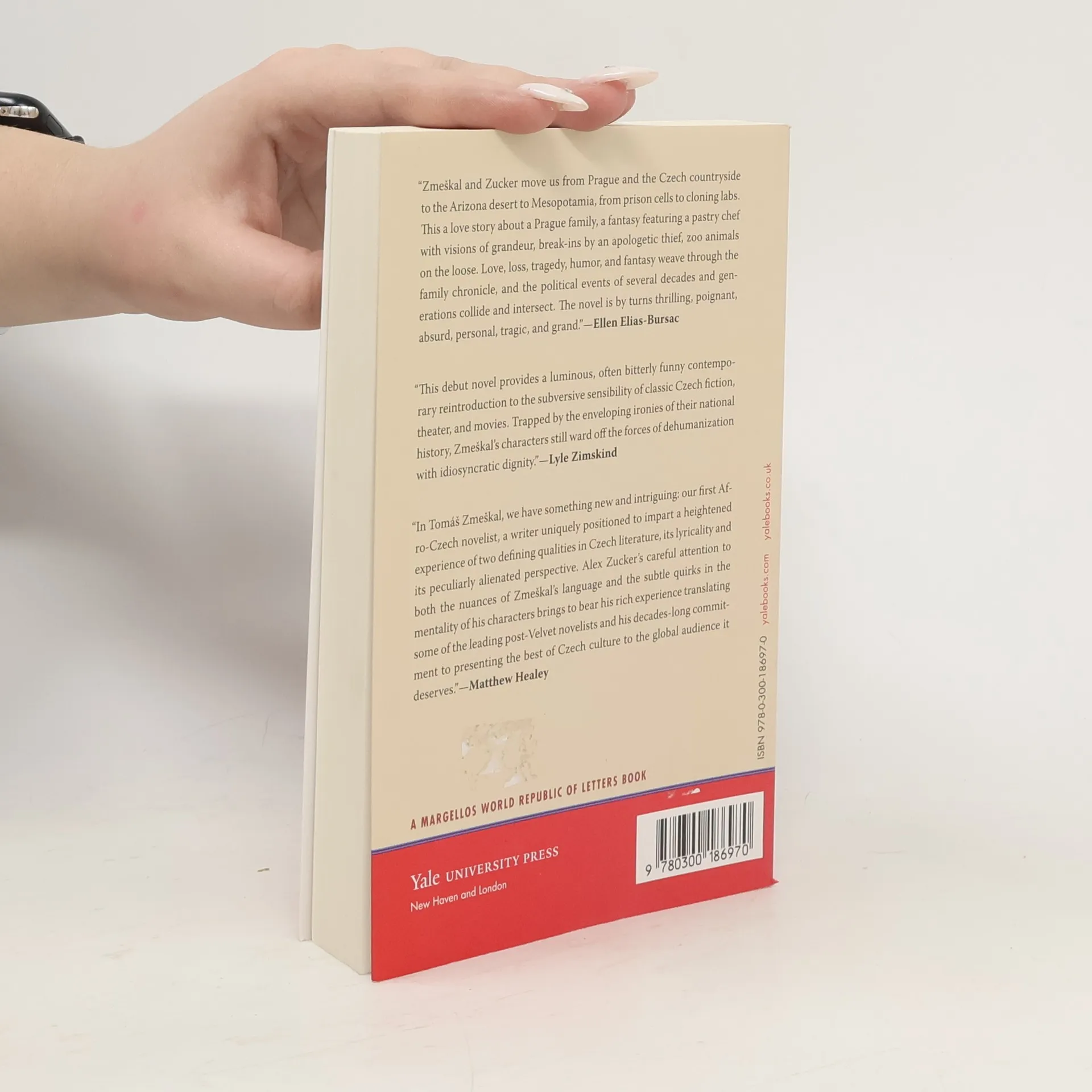
From a leading voice in the vibrant literary scene of today's Czech Republic, a love story rooted in the atrocities of the past and tethered to fading hopes for the future Set in Czechoslovakia between the 1940s and the 1990s, Tomás Zmeskal's stimulating novel focuses on one family's tragic story of love and the unspoken. Josef meets his wife, Kveta, before the Second World War at a public lecture on Hittite culture. Kveta chooses to marry Josef over their mutual friend Hynek, but when her husband is later arrested and imprisoned for an unnamed crime, Kveta gives herself to Hynek in return for help and advice. The author explores the complexities of what is not spoken, what cannot be said, the repercussions of silence after an ordeal, the absurdity of forgotten pain, and what it is to be an outsider. In Zmeskal's tale, told not chronologically but rather as a mosaic of events, time progresses unevenly and unpredictably, as does one's understanding. The saga belongs to a particular family, but it also exposes the larger, ongoing struggle of postcommunist Eastern Europe to come to terms with suffering when catharsis is denied. Reporting from a fresh, multicultural perspective, Zmeskal makes a welcome contribution to European literature in the twenty-first century.


Zakup książki
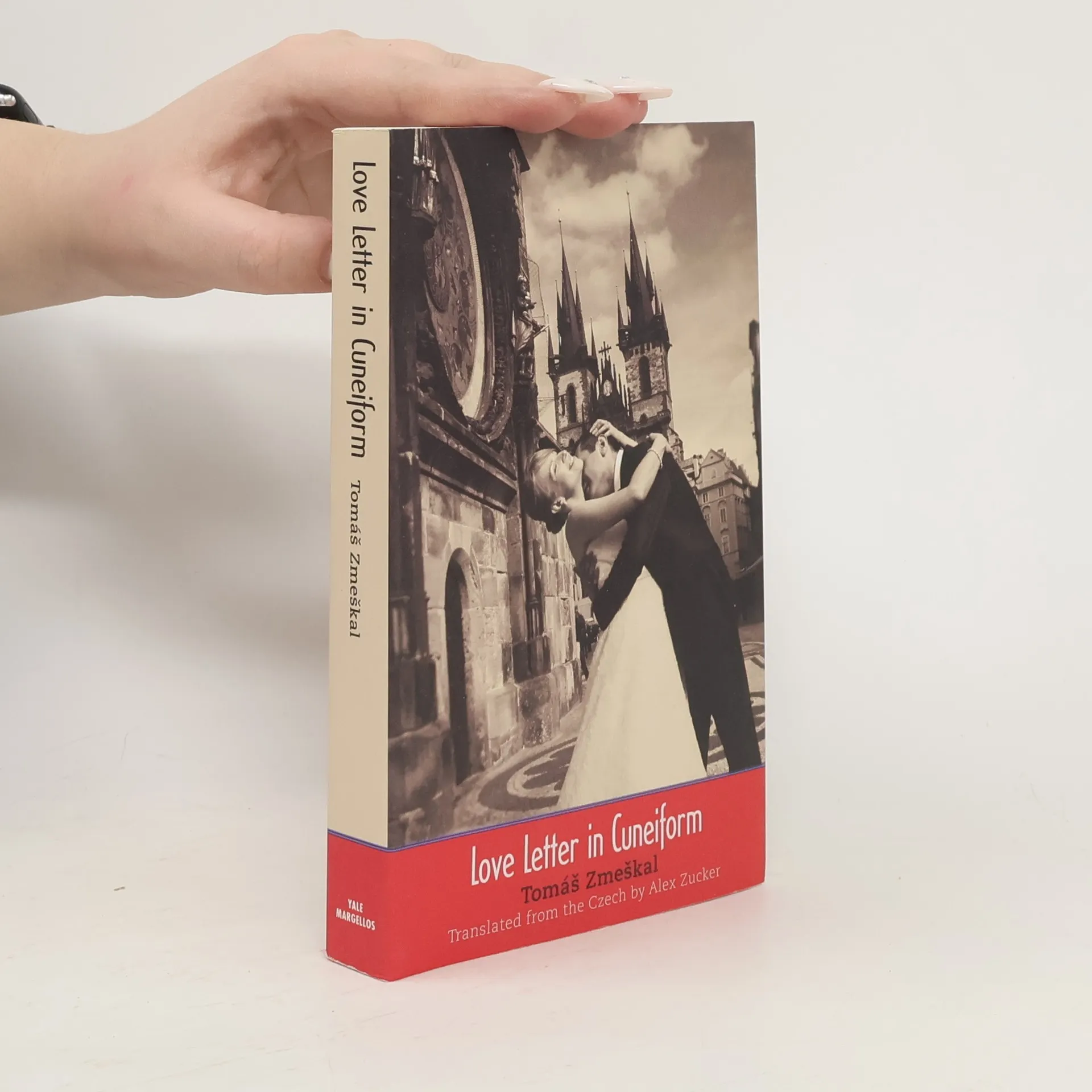
Love Letter in Cuneiform, Tomáš Zmeškal
- Język

- Rok wydania
- 2016
- Oprawa
- (miękka)
Metody płatności
Brakuje nam tutaj Twojej recenzji.
- Tytuł
- Love Letter in Cuneiform
- Język
- angielski
- Autorzy
- Tomáš Zmeškal
- Wydawca
- Yale University Press
- Rok wydania
- 2016
- Oprawa
- miękka
- Liczba stron
- 315
- ISBN10
- 0300186975
- ISBN13
- 9780300186970
- Seria
- Tagi
- Literatura czeska, Historia Czech & Słowacji, XXI wiek, Historie miłosne, Czechosłowacja, Socjalizm, Prześladowanie, Prześladowania polityczne, Państwo totalitarne
- Ocena
- 4,05 z 5
- Opis
- From a leading voice in the vibrant literary scene of today's Czech Republic, a love story rooted in the atrocities of the past and tethered to fading hopes for the future Set in Czechoslovakia between the 1940s and the 1990s, Tomás Zmeskal's stimulating novel focuses on one family's tragic story of love and the unspoken. Josef meets his wife, Kveta, before the Second World War at a public lecture on Hittite culture. Kveta chooses to marry Josef over their mutual friend Hynek, but when her husband is later arrested and imprisoned for an unnamed crime, Kveta gives herself to Hynek in return for help and advice. The author explores the complexities of what is not spoken, what cannot be said, the repercussions of silence after an ordeal, the absurdity of forgotten pain, and what it is to be an outsider. In Zmeskal's tale, told not chronologically but rather as a mosaic of events, time progresses unevenly and unpredictably, as does one's understanding. The saga belongs to a particular family, but it also exposes the larger, ongoing struggle of postcommunist Eastern Europe to come to terms with suffering when catharsis is denied. Reporting from a fresh, multicultural perspective, Zmeskal makes a welcome contribution to European literature in the twenty-first century.