



Więcej o książce
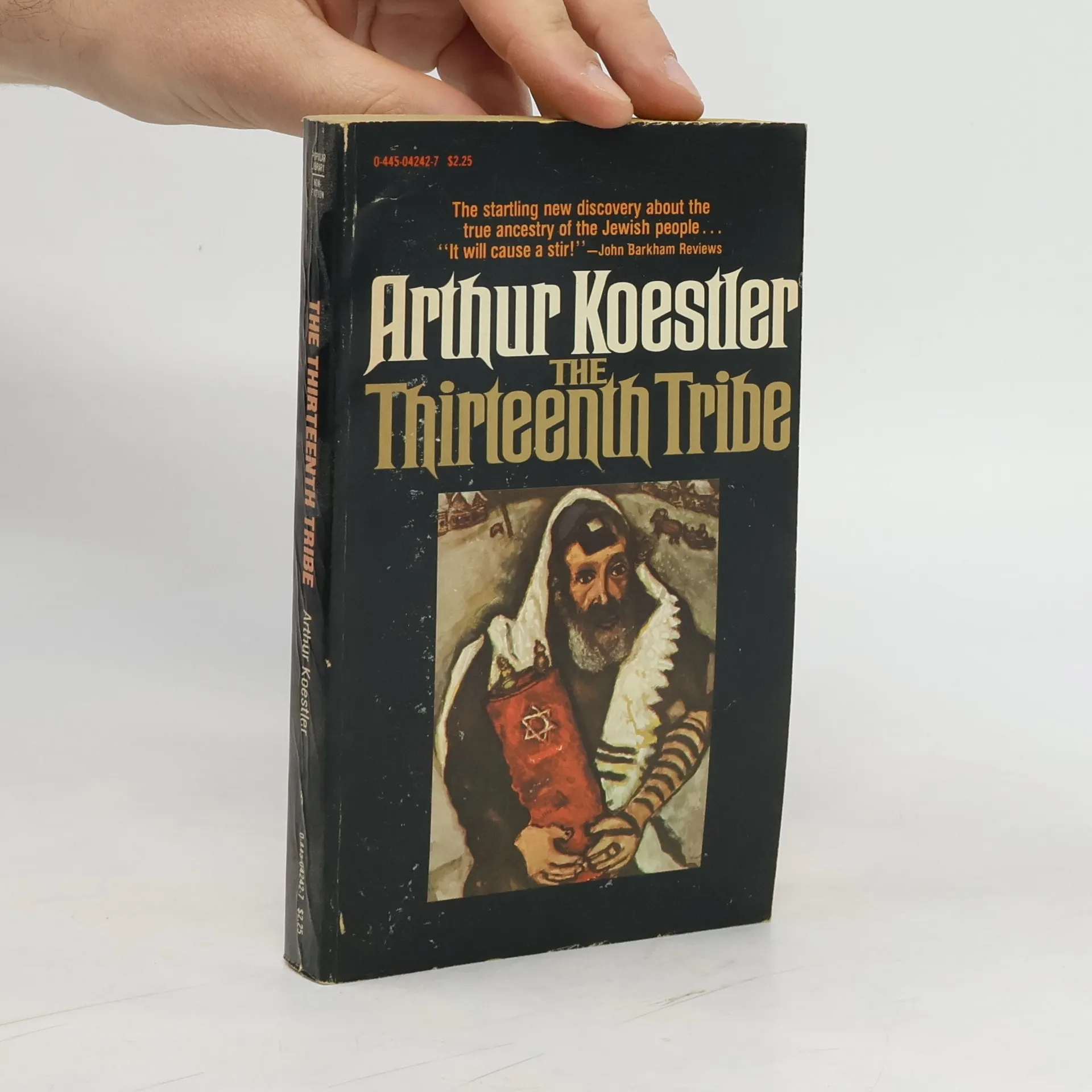
This book explores the history of the ancient Khazar Empire, a significant yet often overlooked power in Eastern Europe that converted to Judaism during the Dark Ages. The Khazars, who thrived from the 7th to 11th century, were ultimately destroyed by Genghis Khan's forces, but evidence suggests they migrated to Poland, contributing to the roots of Western Jewry. While the Khazars may seem distant to contemporary readers, their legacy has surprising relevance today. At the time of Charlemagne's reign in the West, the Khazars controlled a vast territory from the Black Sea to the Caspian Sea, playing a crucial role in halting the Muslim advance against Byzantium. This positioned them precariously between the Eastern Roman Empire and the followers of Mohammed. Koestler characterizes the Khazars as the Third World of their era, as they resisted the pressures to convert to Christianity from the West and Islam from the East by choosing Judaism instead. He speculates on the fate of the Khazars and their influence on the racial and social heritage of modern Jewry, presenting detailed research that challenges conventional understandings of anti-Semitism.




Zakup książki
The Thirteenth Tribe, Arthur Koestler
- Język

- Rok wydania
- 1976
- Oprawa
- (miękka)
Metody płatności
Brakuje nam tutaj Twojej recenzji.
- Tytuł
- The Thirteenth Tribe
- Język
- angielski
- Autorzy
- Arthur Koestler
- Wydawca
- Popular Library
- Rok wydania
- 1976
- Oprawa
- miękka
- Liczba stron
- 318
- ISBN10
- 0445042427
- ISBN13
- 9780445042421
- Seria
- Kategorie
- Oryginalna nazwa
- The thirteenth tribe
- Ocena
- 4,3 z 5
- Opis
- This book explores the history of the ancient Khazar Empire, a significant yet often overlooked power in Eastern Europe that converted to Judaism during the Dark Ages. The Khazars, who thrived from the 7th to 11th century, were ultimately destroyed by Genghis Khan's forces, but evidence suggests they migrated to Poland, contributing to the roots of Western Jewry. While the Khazars may seem distant to contemporary readers, their legacy has surprising relevance today. At the time of Charlemagne's reign in the West, the Khazars controlled a vast territory from the Black Sea to the Caspian Sea, playing a crucial role in halting the Muslim advance against Byzantium. This positioned them precariously between the Eastern Roman Empire and the followers of Mohammed. Koestler characterizes the Khazars as the Third World of their era, as they resisted the pressures to convert to Christianity from the West and Islam from the East by choosing Judaism instead. He speculates on the fate of the Khazars and their influence on the racial and social heritage of modern Jewry, presenting detailed research that challenges conventional understandings of anti-Semitism.