

Więcej o książce
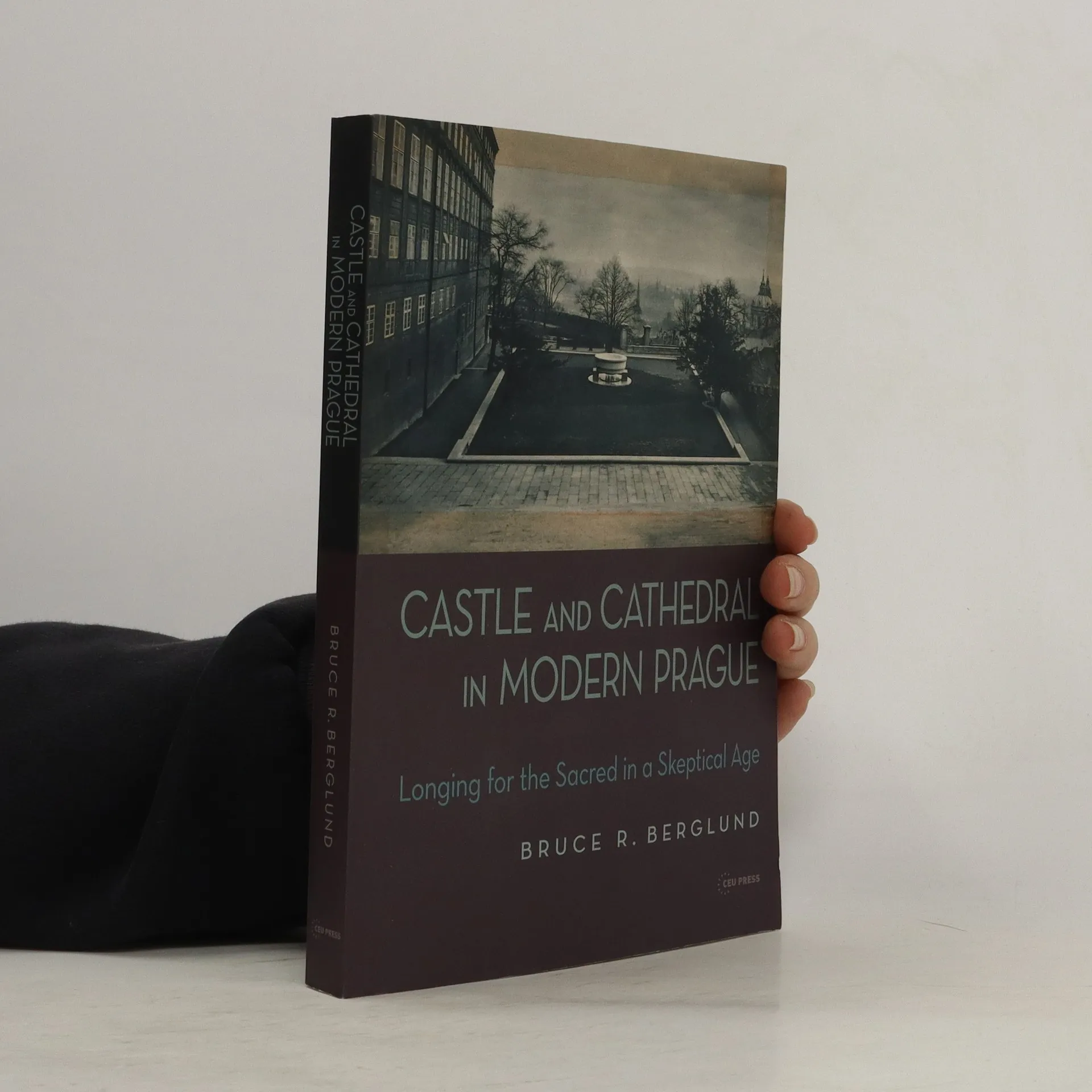
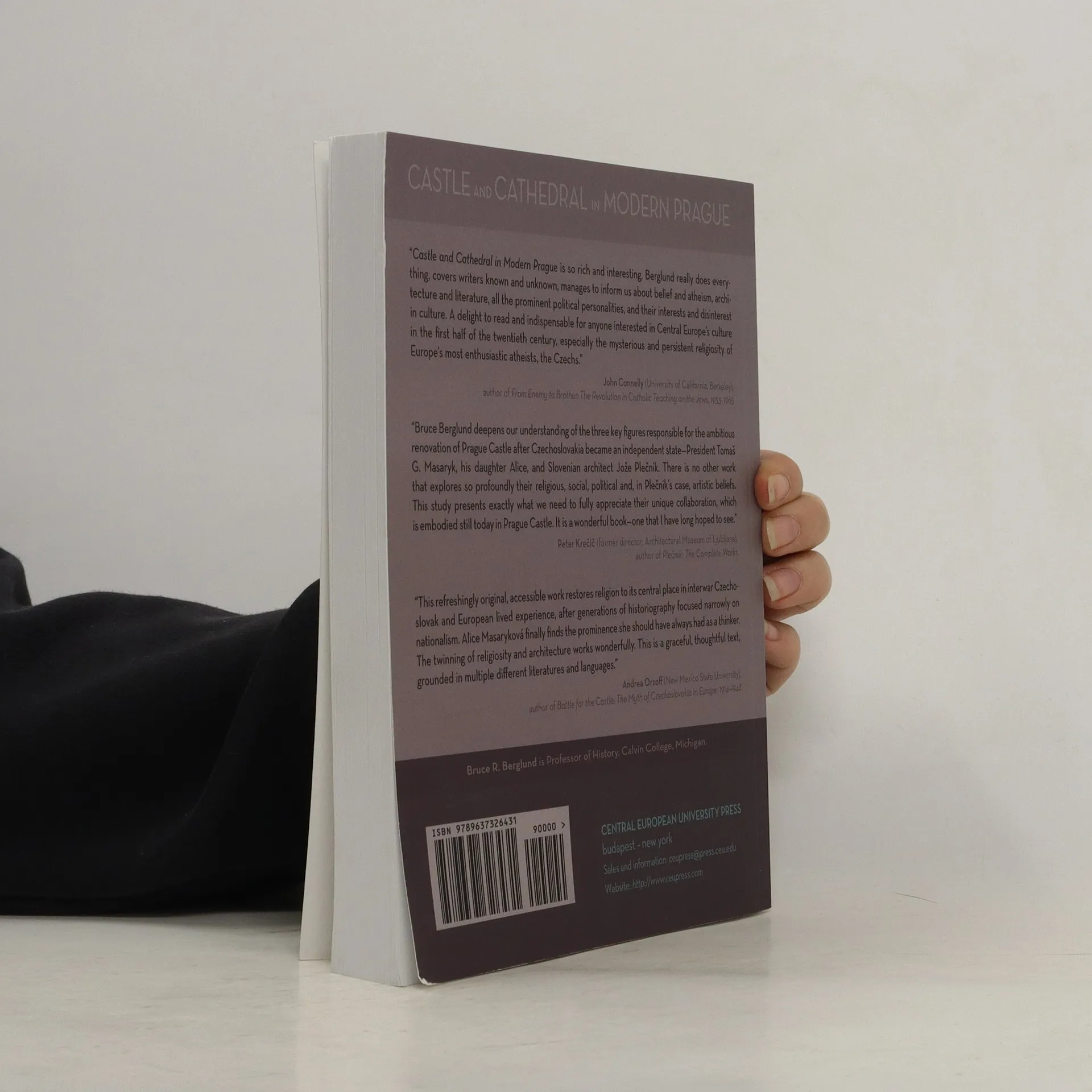
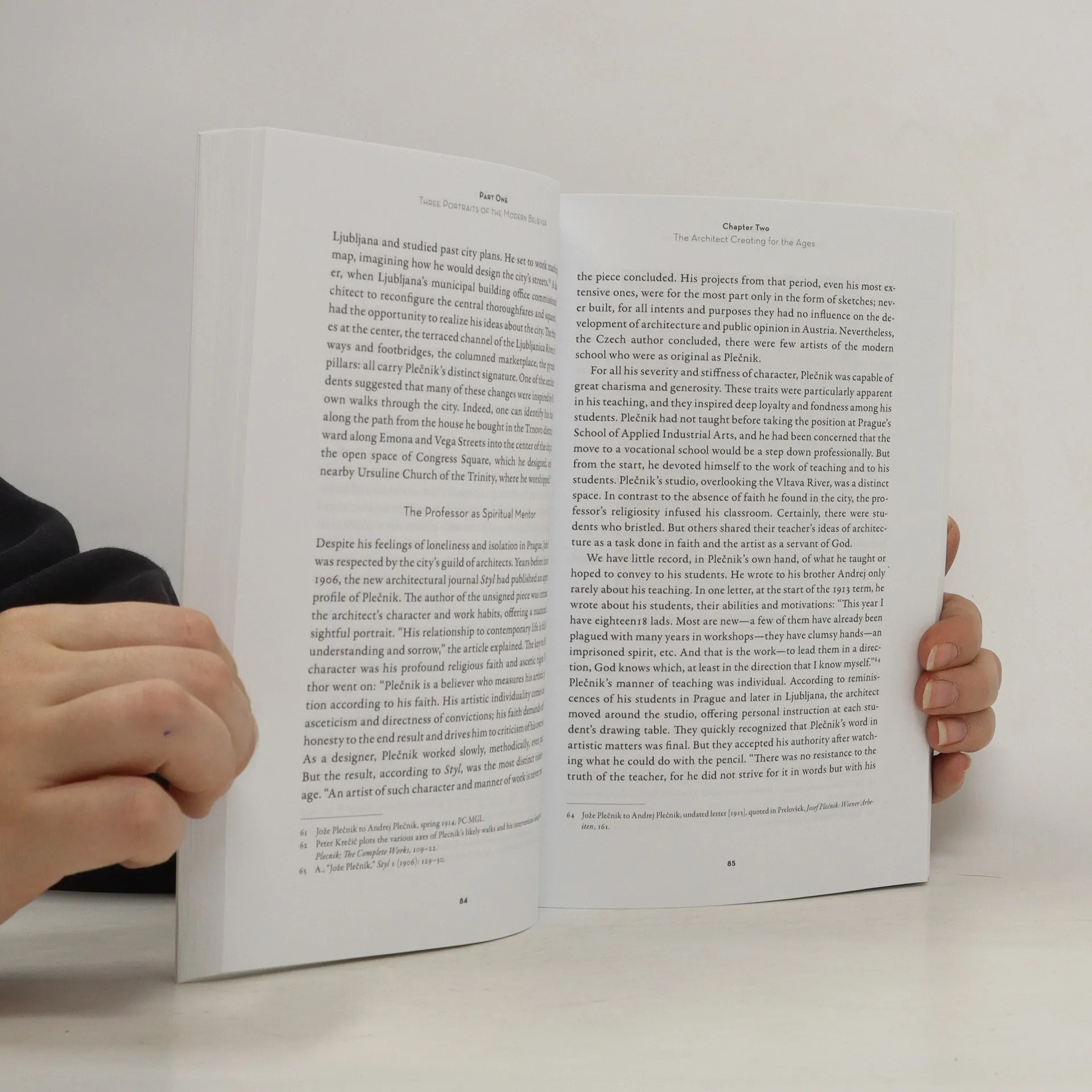
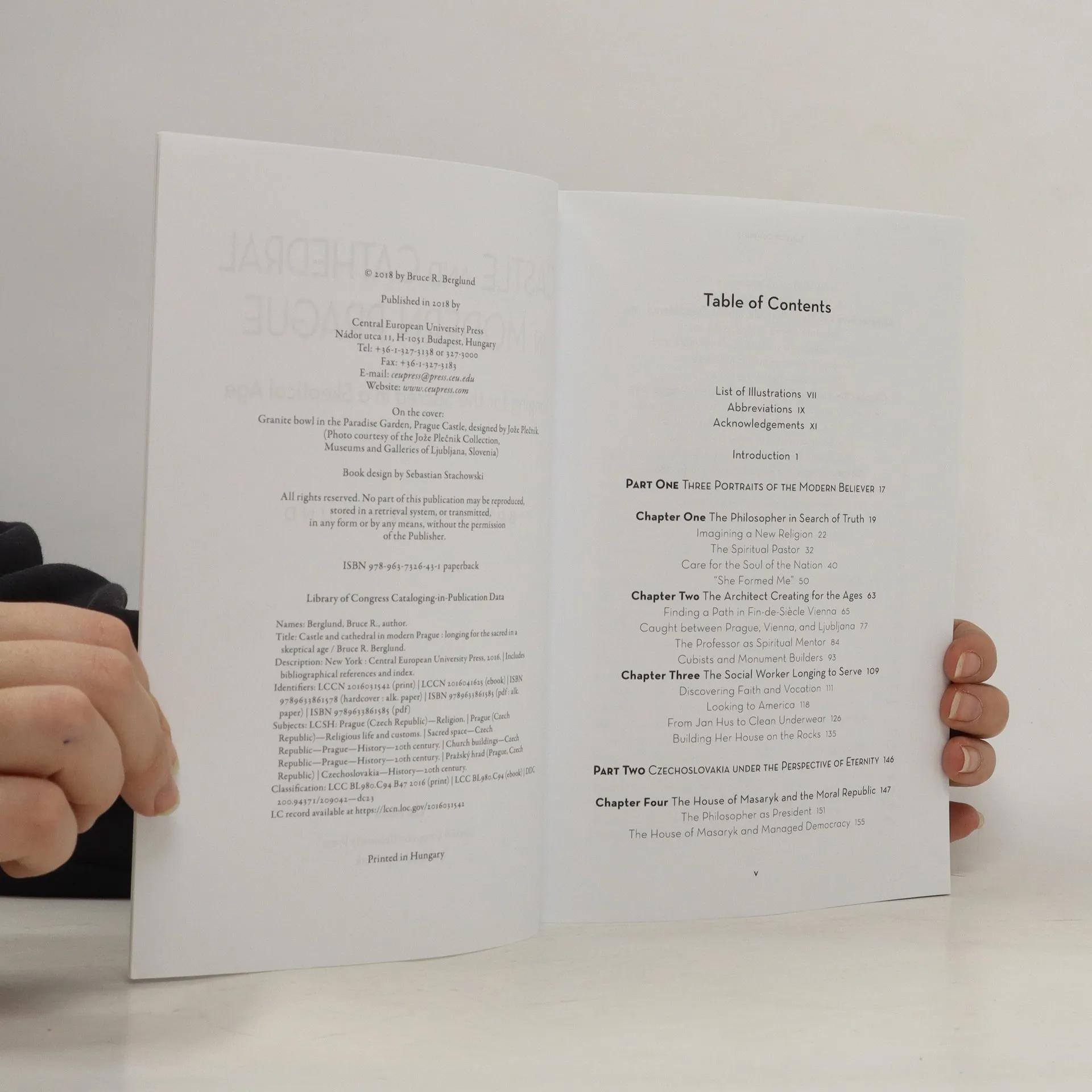
This book takes a new approach to interwar Prague by addressing religion as an integral part of the city's cultural history. Berglund views Prague's cultural history in the broader context of religious change and secularization in 20th-century Europe. Based on detailed knowledge of sources, the monograph explores the interdisciplinary linkages between politics, architecture and theology in the building of symbolism and a "new mythology" of the first Czechoslovak republic (1918-1938). Berglunds text provides an important service for understanding both Czech history as well as current Czech political debate. The author's method can be characterized as culture history, able to connect several disciplines, emphasizing common topic (religion, politics, symbolics). Modern Czech elites, superficially characterized as "ateistic", appears in a new light to be deeply religious, a transition from more traditional, (mostly) Catholic religiosity, to a concept of a new, modern, ethical religion. The study incorporates biographical research, focusing on three principal characters: Tomás Garrigue Masaryk, Czechoslovakia's first president; his daughter Alice Garrigue Masaryková, founding director of the Czechoslovak Red Cross; and Joze Plecnik, the Slovenian architect who directed the renovations of Prague Castle.

Zakup książki
Castle and cathedral in modern Prague, Bruce Berlung
- Język

- Rok wydania
- 2018
- Oprawa
- (miękka)
Metody płatności
Brakuje nam tutaj Twojej recenzji.
- Tytuł
- Castle and cathedral in modern Prague
- Język
- angielski
- Autorzy
- Bruce Berlung
- Wydawca
- CEU Press
- Rok wydania
- 2018
- Oprawa
- miękka
- Liczba stron
- 390
- ISBN10
- 963732643x
- ISBN13
- 9789637326431
- Seria
- Kategorie
- Oryginalna nazwa
- Castle and Cathedral in Modern Prague
- Ocena
- 4 z 5
- Opis
- This book takes a new approach to interwar Prague by addressing religion as an integral part of the city's cultural history. Berglund views Prague's cultural history in the broader context of religious change and secularization in 20th-century Europe. Based on detailed knowledge of sources, the monograph explores the interdisciplinary linkages between politics, architecture and theology in the building of symbolism and a "new mythology" of the first Czechoslovak republic (1918-1938). Berglunds text provides an important service for understanding both Czech history as well as current Czech political debate. The author's method can be characterized as culture history, able to connect several disciplines, emphasizing common topic (religion, politics, symbolics). Modern Czech elites, superficially characterized as "ateistic", appears in a new light to be deeply religious, a transition from more traditional, (mostly) Catholic religiosity, to a concept of a new, modern, ethical religion. The study incorporates biographical research, focusing on three principal characters: Tomás Garrigue Masaryk, Czechoslovakia's first president; his daughter Alice Garrigue Masaryková, founding director of the Czechoslovak Red Cross; and Joze Plecnik, the Slovenian architect who directed the renovations of Prague Castle.