

Parametry
- 188 stron
- 7 godzin czytania
Więcej o książce
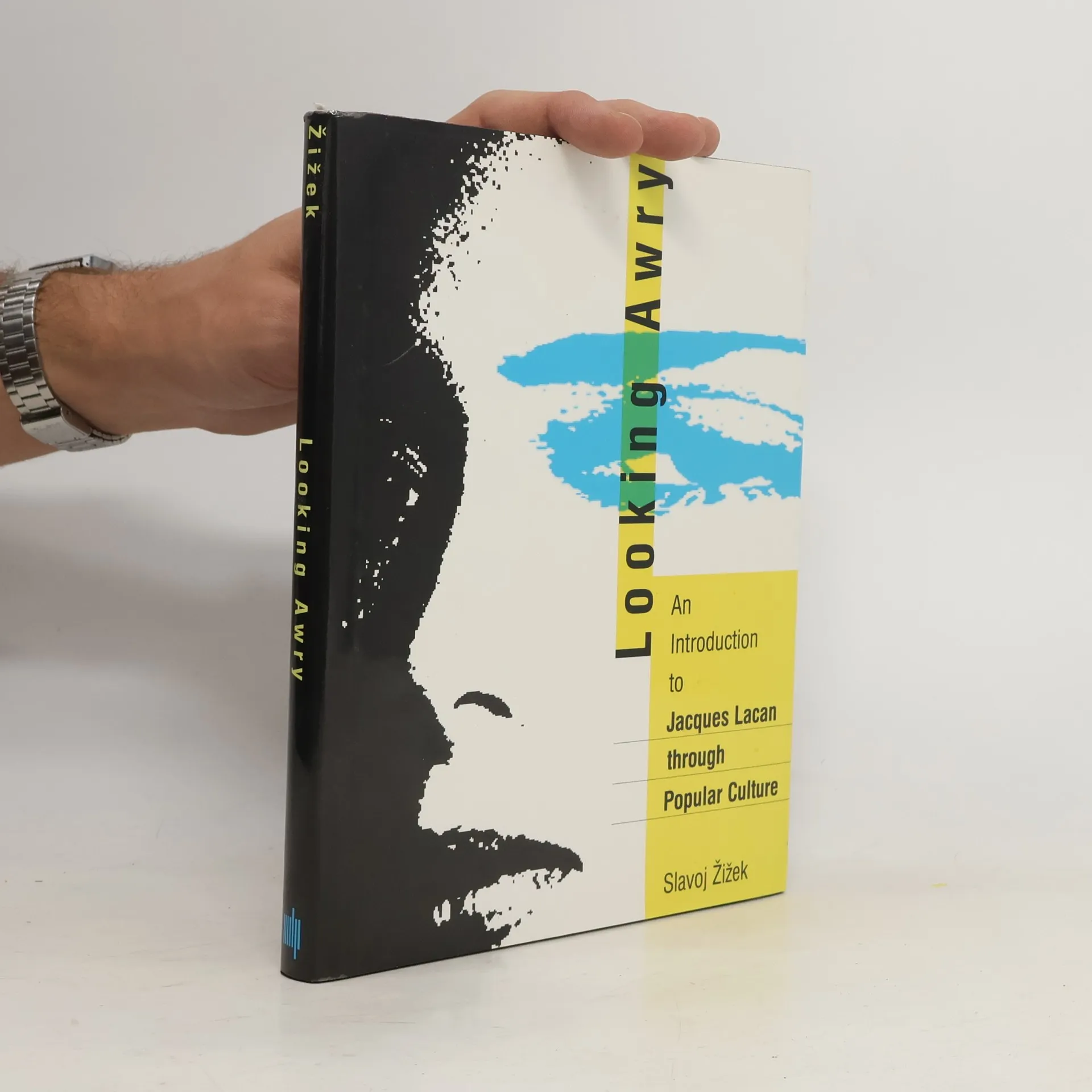
Slavoj ?i?ek, a leading intellectual in the new social movements that are sweeping Eastern Europe, provides a virtuoso reading of Jacques Lacan. ?i?ek inverts current pedagogical strategies to explain the difficult philosophical underpinnings of the French theoretician and practician who revolutionized our view of psychoanalysis. He approaches Lacan through the motifs and works of contemporary popular culture, from Hitchcock's "Vertigo "to Stephen King's "Pet Sematary, "from McCullough's "An Indecent Obsession "to Romero's "Return of the Living Dead--a "strategy of "looking awry" that recalls the exhilarating and vital experience of Lacan.?i?ek discovers fundamental Lacanian categories--the triad Imaginary/Symbolic/Real, the object small "a, "the opposition of drive and desire, the split subject--at work in horror fiction, in detective thrillers, in romances, in the mass media's perception of ecological crisis, and, above all, in Alfred Hitchcock's films. The playfulness of ?i?ek's text, however, is entirely different from that associated with the deconstructive approach made famous by Derrida. By clarifying what Lacan is saying as well as what he is "not "saying, ?i?ek is uniquely able to distinguish Lacan from the poststructuralists who so often claim him.




Zakup książki
Looking Awry, Slavoj Žižek
- Język

- Rok wydania
- 1991
- Oprawa
- (twarda)
Metody płatności
Brakuje nam tutaj Twojej recenzji.
- Tytuł
- Looking Awry
- Podtytuł
- An Introduction to Jacques Lacan through Popular Culture
- Język
- angielski
- Autorzy
- Slavoj Žižek
- Wydawca
- MIT Press
- Rok wydania
- 1991
- Oprawa
- twarda
- Liczba stron
- 188
- ISBN10
- 0262240319
- ISBN13
- 9780262240314
- Seria
- Kategorie
- Ocena
- 4 z 5
- Opis
- Slavoj ?i?ek, a leading intellectual in the new social movements that are sweeping Eastern Europe, provides a virtuoso reading of Jacques Lacan. ?i?ek inverts current pedagogical strategies to explain the difficult philosophical underpinnings of the French theoretician and practician who revolutionized our view of psychoanalysis. He approaches Lacan through the motifs and works of contemporary popular culture, from Hitchcock's "Vertigo "to Stephen King's "Pet Sematary, "from McCullough's "An Indecent Obsession "to Romero's "Return of the Living Dead--a "strategy of "looking awry" that recalls the exhilarating and vital experience of Lacan.?i?ek discovers fundamental Lacanian categories--the triad Imaginary/Symbolic/Real, the object small "a, "the opposition of drive and desire, the split subject--at work in horror fiction, in detective thrillers, in romances, in the mass media's perception of ecological crisis, and, above all, in Alfred Hitchcock's films. The playfulness of ?i?ek's text, however, is entirely different from that associated with the deconstructive approach made famous by Derrida. By clarifying what Lacan is saying as well as what he is "not "saying, ?i?ek is uniquely able to distinguish Lacan from the poststructuralists who so often claim him.