


Więcej o książce
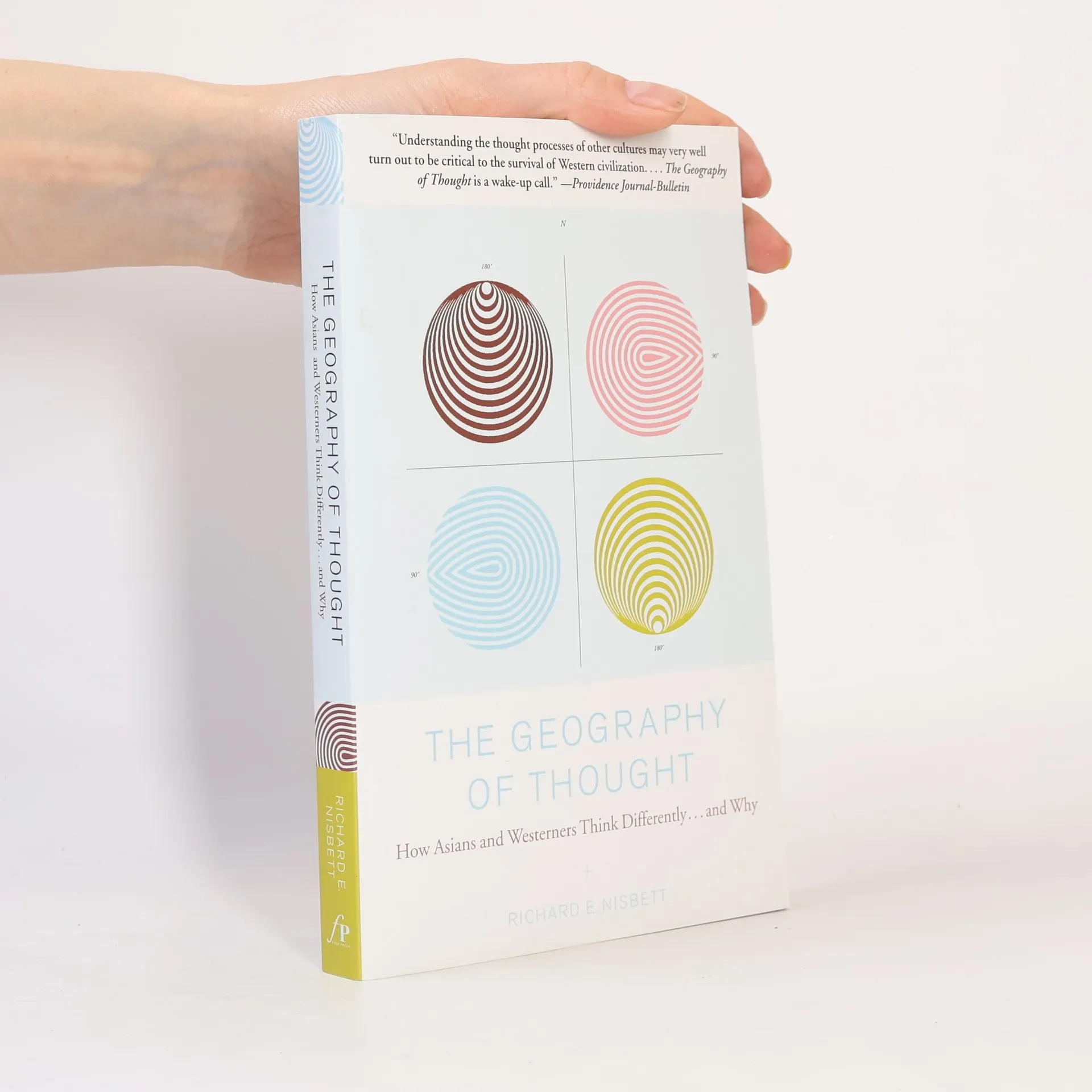
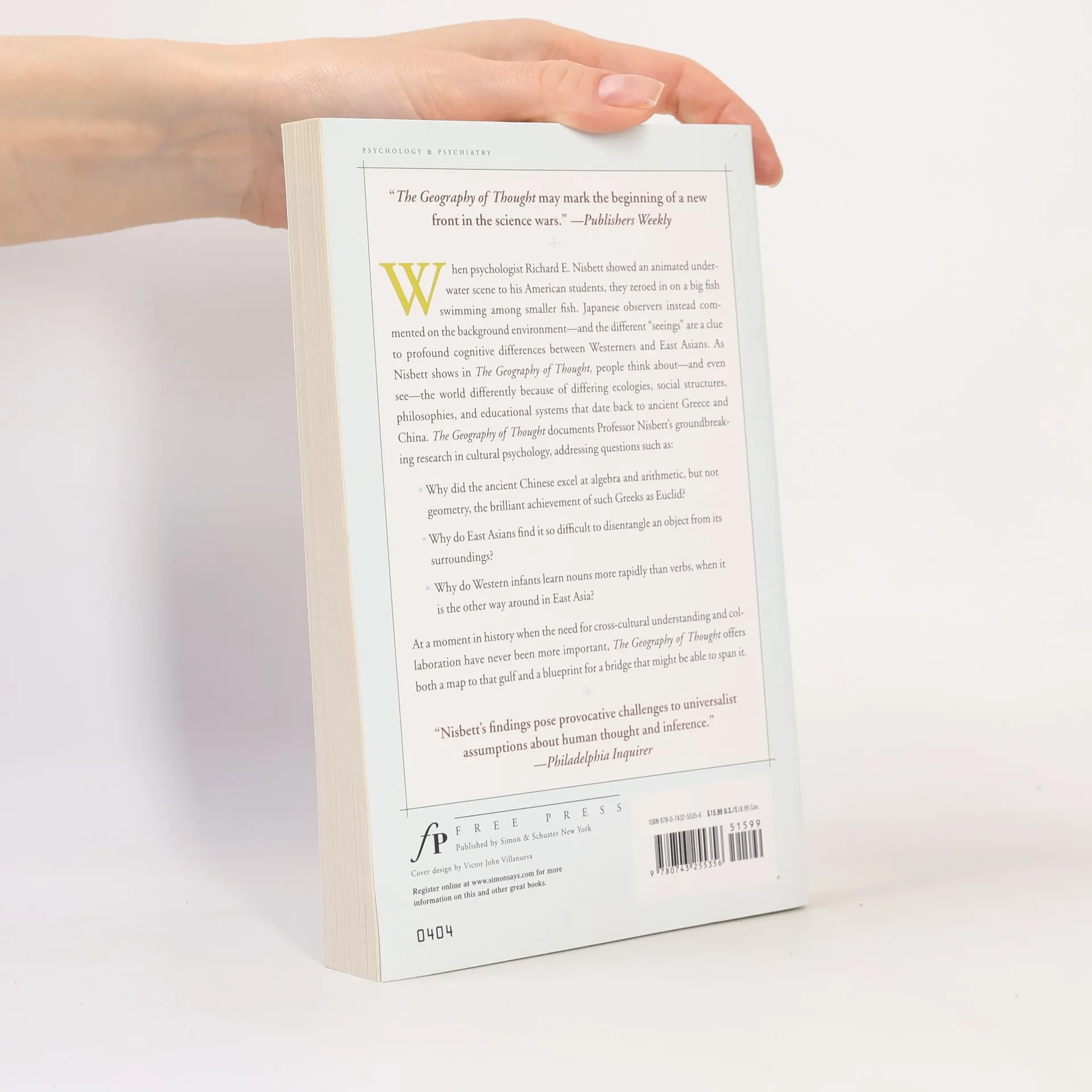
When psychologist Richard E. Nisbett showed an animated underwater scene to his American students, they zeroed in on a big fish swimming among smaller fish. Japanese observers instead commented on the background environment -- and the different "seeings" are a clue to profound cognitive differences between Westerners and East Asians. AsNisbett shows inThe Geography of Thought,people think about -- and even see -- the world differently because of differing ecologies, social structures, philosophies, and educational systems that date back to ancient Greece and China.The Geography of Thoughtdocuments Professor Nisbett's groundbreaking research in cultural psychology, addressing questions such as: Why did the ancient Chinese excel at algebra and arithmetic, but not geometry, the brilliant achievement of such Greeks as Euclid? Why do East Asians find it so difficult to disentangle an object from its surroundings? Why do Western infants learn nouns more rapidly than verbs, when it is the other way around in East Asia? At a moment in history when the need for cross-cultural understanding and collaboration have never been more important,The Geography of Thoughtoffers both a map to that gulf and a blueprint for a bridge that might be able to span it.




Zakup książki
The Geography of Thought, Richard E. Nisbett
- Język

- Rok wydania
- 2004
- Oprawa
- (miękka)
Metody płatności
Brakuje nam tutaj Twojej recenzji.
- Tytuł
- The Geography of Thought
- Podtytuł
- How Asians and Westerners Think Differently...and Why
- Język
- angielski
- Autorzy
- Richard E. Nisbett
- Wydawca
- Simon and Schuster
- Rok wydania
- 2004
- Oprawa
- miękka
- ISBN10
- 0743255356
- ISBN13
- 9780743255356
- Seria
- Kategorie
- Ocena
- 3,8 z 5
- Opis
- When psychologist Richard E. Nisbett showed an animated underwater scene to his American students, they zeroed in on a big fish swimming among smaller fish. Japanese observers instead commented on the background environment -- and the different "seeings" are a clue to profound cognitive differences between Westerners and East Asians. AsNisbett shows inThe Geography of Thought,people think about -- and even see -- the world differently because of differing ecologies, social structures, philosophies, and educational systems that date back to ancient Greece and China.The Geography of Thoughtdocuments Professor Nisbett's groundbreaking research in cultural psychology, addressing questions such as: Why did the ancient Chinese excel at algebra and arithmetic, but not geometry, the brilliant achievement of such Greeks as Euclid? Why do East Asians find it so difficult to disentangle an object from its surroundings? Why do Western infants learn nouns more rapidly than verbs, when it is the other way around in East Asia? At a moment in history when the need for cross-cultural understanding and collaboration have never been more important,The Geography of Thoughtoffers both a map to that gulf and a blueprint for a bridge that might be able to span it.