


Więcej o książce
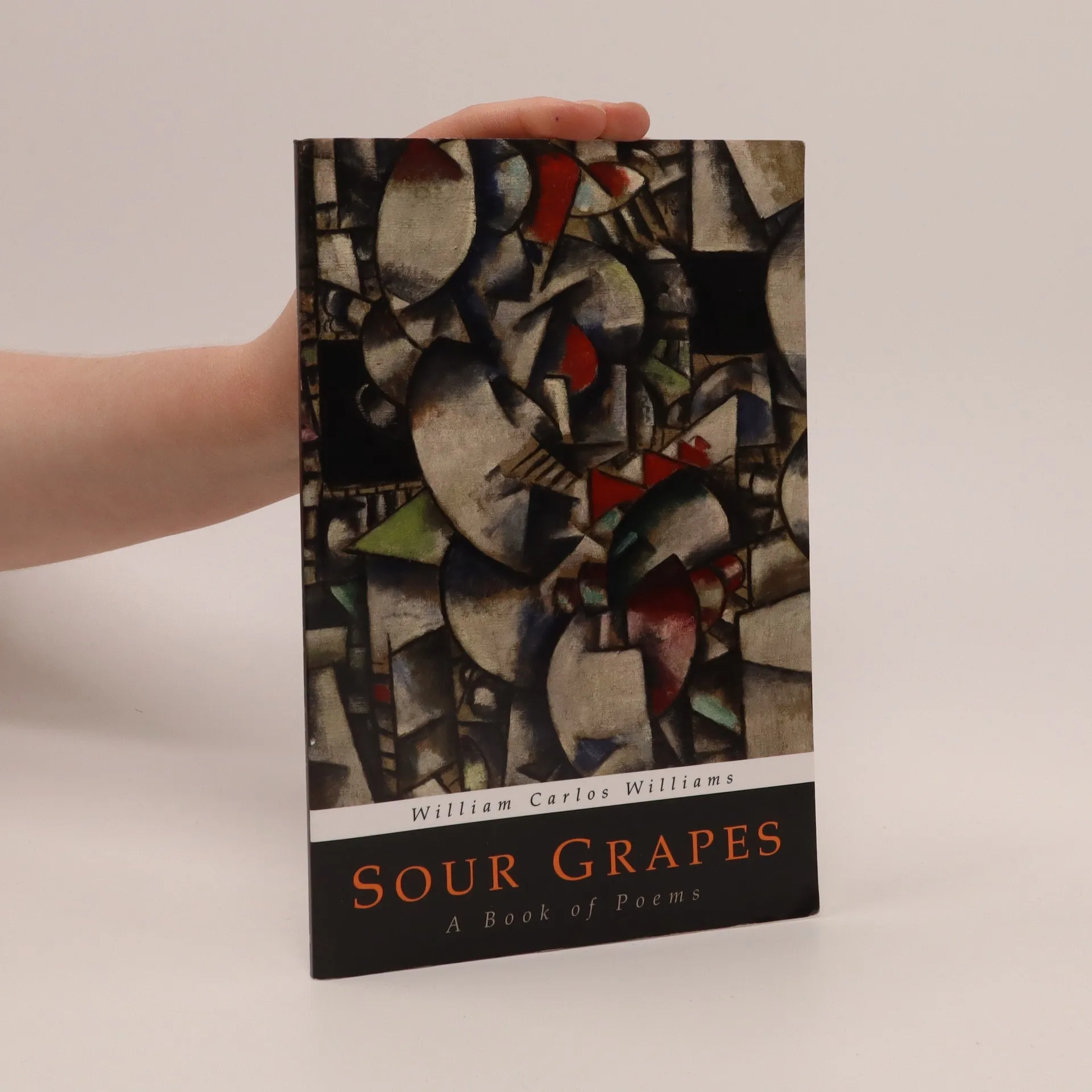
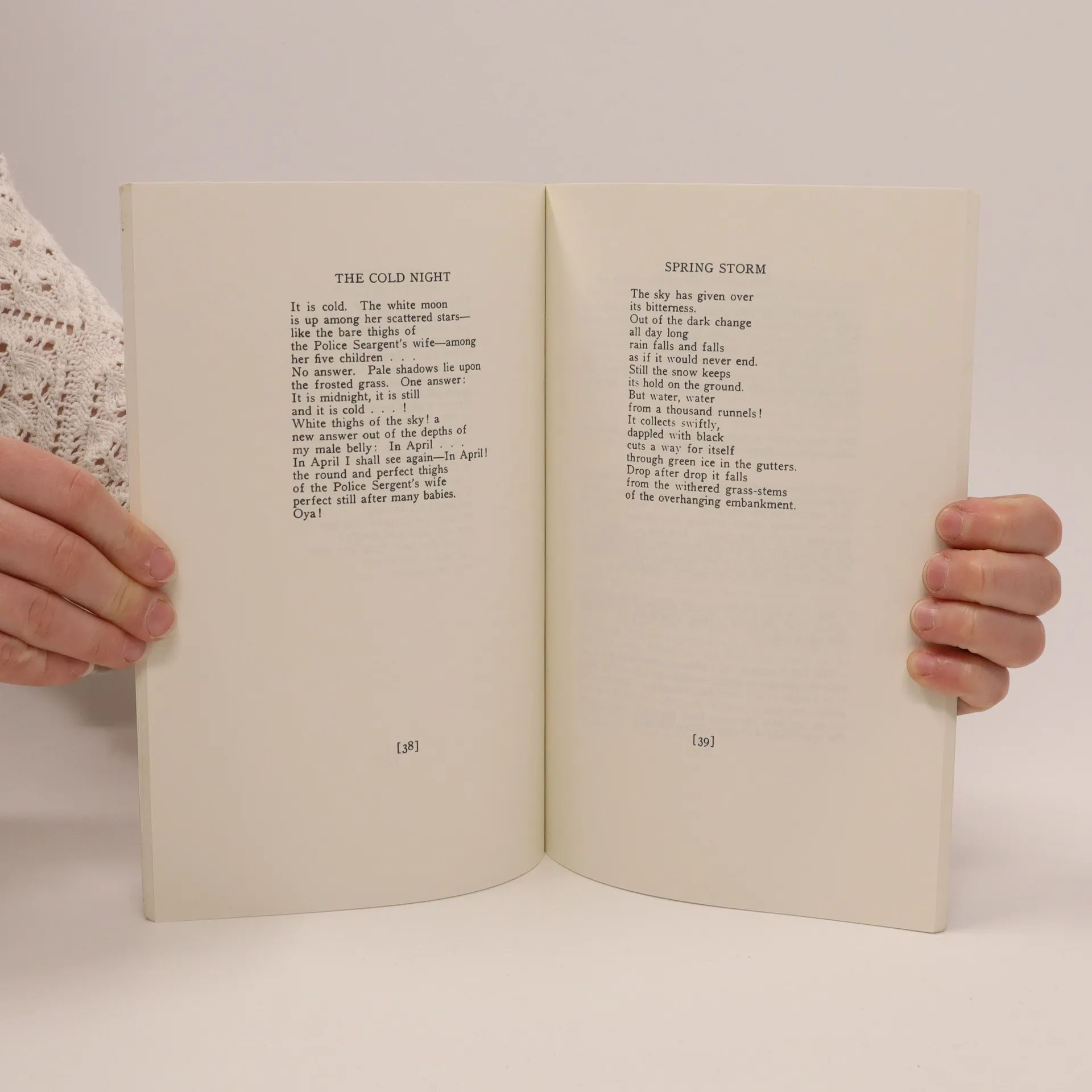
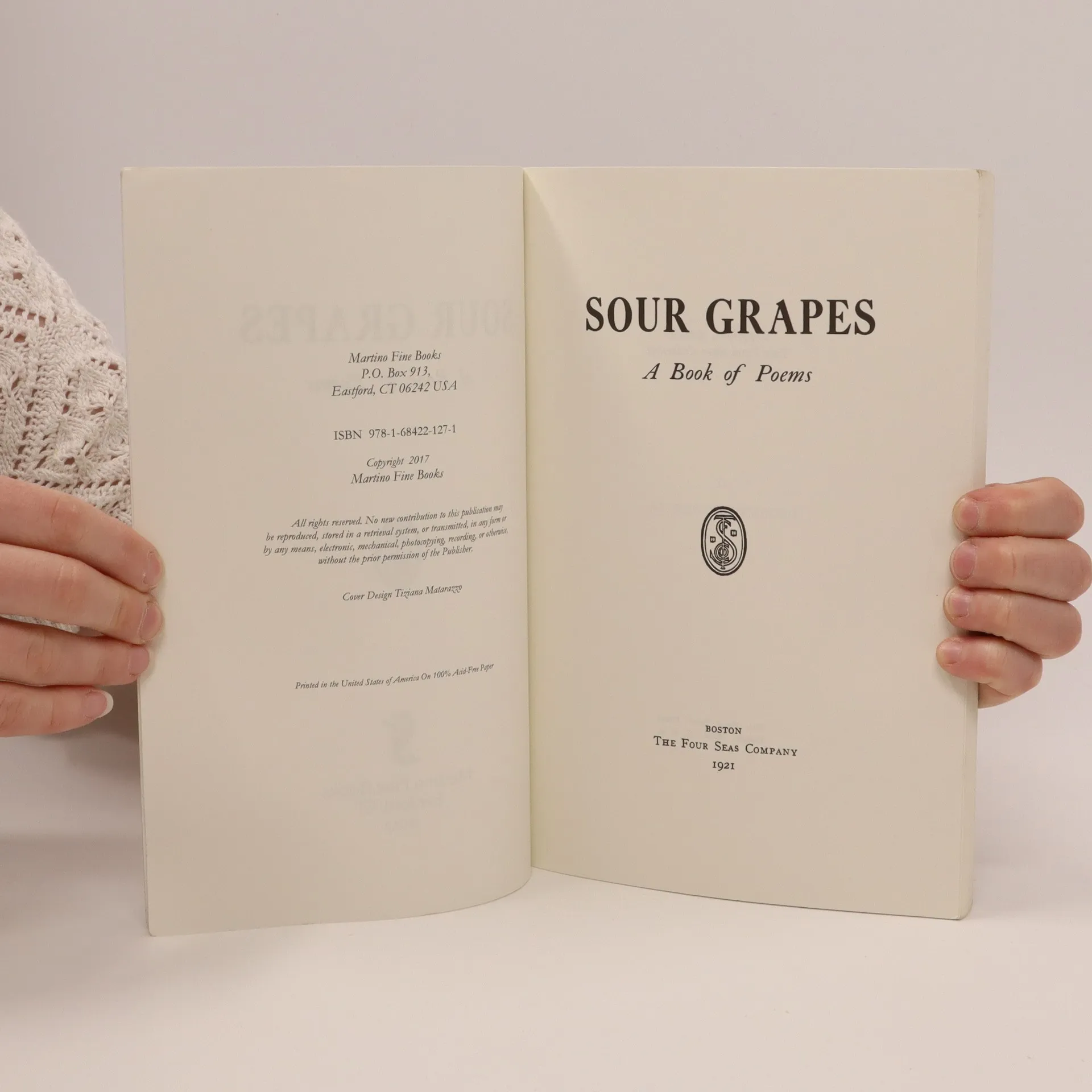
2017 Reprint of 1921 Edition. Full facsimile of the original edition, not reproduced with Optical Recognition software. Published in 1921, the collection includes poems such as "A Widow's Lament in Springtime," "The Great Figure," "Complaint," and "Queen-Ann's-Lace." Williams was still struggling to find his audience at the time that he published Sour Grapes and he was forced to pay for some, if not all, of the publishing expenses himself. As a book, it is highly representative of Williams's early writing. The book is filled out with improvisational pieces that Williams seems to have thrown together in the spare moments that he stole from his medical practice. Like most of Williams' early works, Sour Grapes was ignored by most critics at the time, but it was well received by Kenneth Burke in The Dial in February 1922.


Zakup książki
Sour Grapes, William Carlos Williams
- Język

- Rok wydania
- 2017
- Oprawa
- (miękka)
Metody płatności
Brakuje nam tutaj Twojej recenzji.
- Tytuł
- Sour Grapes
- Język
- angielski
- Autorzy
- William Carlos Williams
- Wydawca
- Martino Fine Books
- Rok wydania
- 2017
- Oprawa
- miękka
- Liczba stron
- 80
- ISBN10
- 1684221277
- ISBN13
- 9781684221271
- Seria
- Tagi
- Ocena
- 4 z 5
- Opis
- 2017 Reprint of 1921 Edition. Full facsimile of the original edition, not reproduced with Optical Recognition software. Published in 1921, the collection includes poems such as "A Widow's Lament in Springtime," "The Great Figure," "Complaint," and "Queen-Ann's-Lace." Williams was still struggling to find his audience at the time that he published Sour Grapes and he was forced to pay for some, if not all, of the publishing expenses himself. As a book, it is highly representative of Williams's early writing. The book is filled out with improvisational pieces that Williams seems to have thrown together in the spare moments that he stole from his medical practice. Like most of Williams' early works, Sour Grapes was ignored by most critics at the time, but it was well received by Kenneth Burke in The Dial in February 1922.