



Więcej o książce
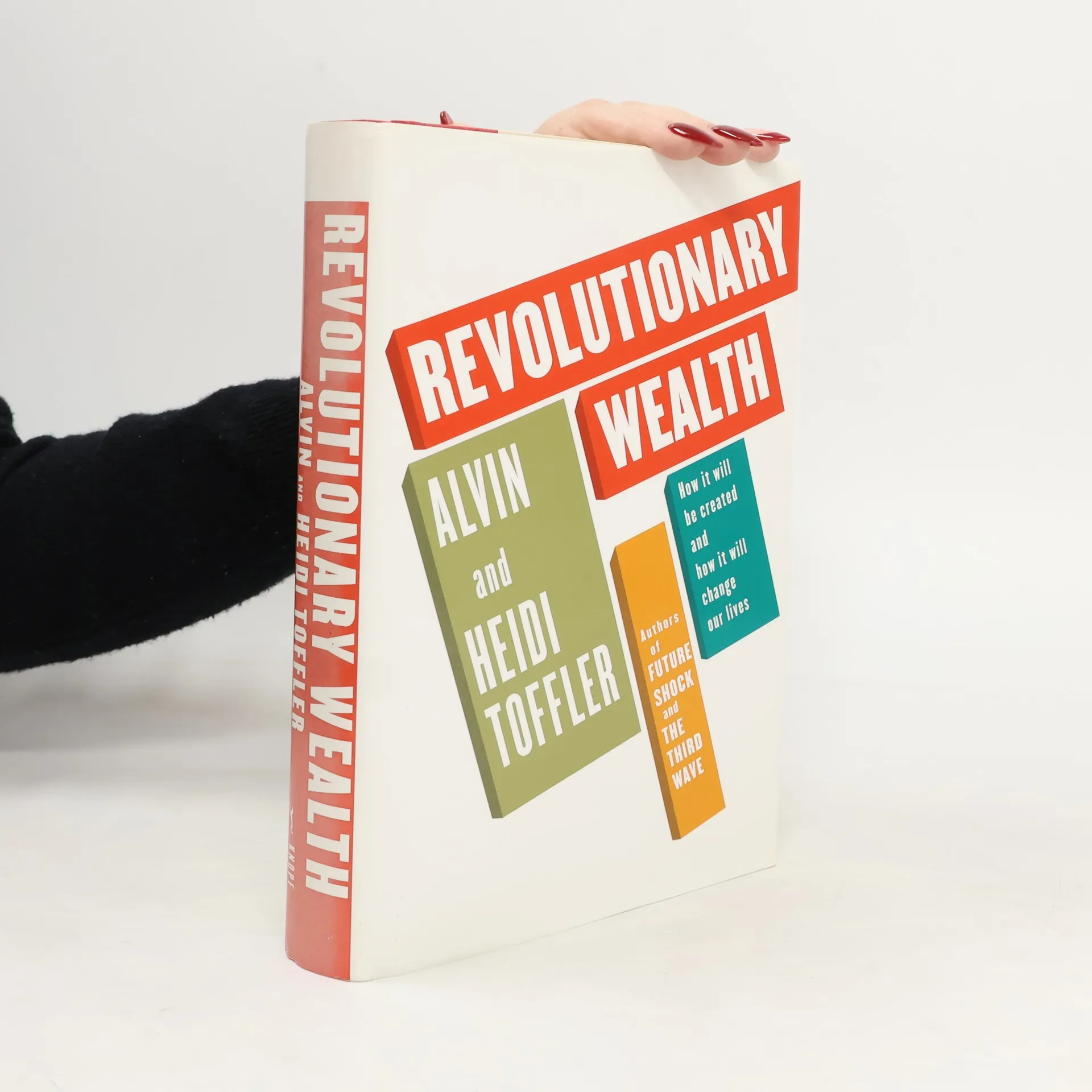
Social analysts Alvin and Heidi Toffler turn their attention to the revolution in wealth now sweeping the planet. This book is about how tomorrow's wealth will be created, and who will get it and how. But 21st-century wealth, they argue, is not just about money, and cannot be understood in terms of industrial-age economics. They write about everything from education and child rearing to Hollywood and China, from everyday truth and misconceptions to what they call our "third job"--the unnoticed work we do without pay for some of the biggest corporations. In earlier work, they coined the word "prosumer" for people who consume what they themselves produce. Here they expand the concept to reveal how many of our activities--parenting, volunteering, blogging, painting our house, improving our diet, organizing a neighborhood council--pump "free lunch" from the "hidden" non-money economy into the money economy that economists track.--From publisher description.



Zakup książki
Revolutionary Wealth, Toffler Alvin, Heidi Toffler
- Język

- Rok wydania
- 2006
- Oprawa
- (twarda)
Metody płatności
Brakuje nam tutaj Twojej recenzji.
- Tytuł
- Revolutionary Wealth
- Język
- angielski
- Autorzy
- Toffler Alvin, Heidi Toffler
- Wydawca
- Knopf
- Rok wydania
- 2006
- Oprawa
- twarda
- Liczba stron
- 492
- ISBN10
- 0375401741
- ISBN13
- 9780375401749
- Seria
- Kategorie
- Ocena
- 3,9 z 5
- Opis
- Social analysts Alvin and Heidi Toffler turn their attention to the revolution in wealth now sweeping the planet. This book is about how tomorrow's wealth will be created, and who will get it and how. But 21st-century wealth, they argue, is not just about money, and cannot be understood in terms of industrial-age economics. They write about everything from education and child rearing to Hollywood and China, from everyday truth and misconceptions to what they call our "third job"--the unnoticed work we do without pay for some of the biggest corporations. In earlier work, they coined the word "prosumer" for people who consume what they themselves produce. Here they expand the concept to reveal how many of our activities--parenting, volunteering, blogging, painting our house, improving our diet, organizing a neighborhood council--pump "free lunch" from the "hidden" non-money economy into the money economy that economists track.--From publisher description.