

Więcej o książce
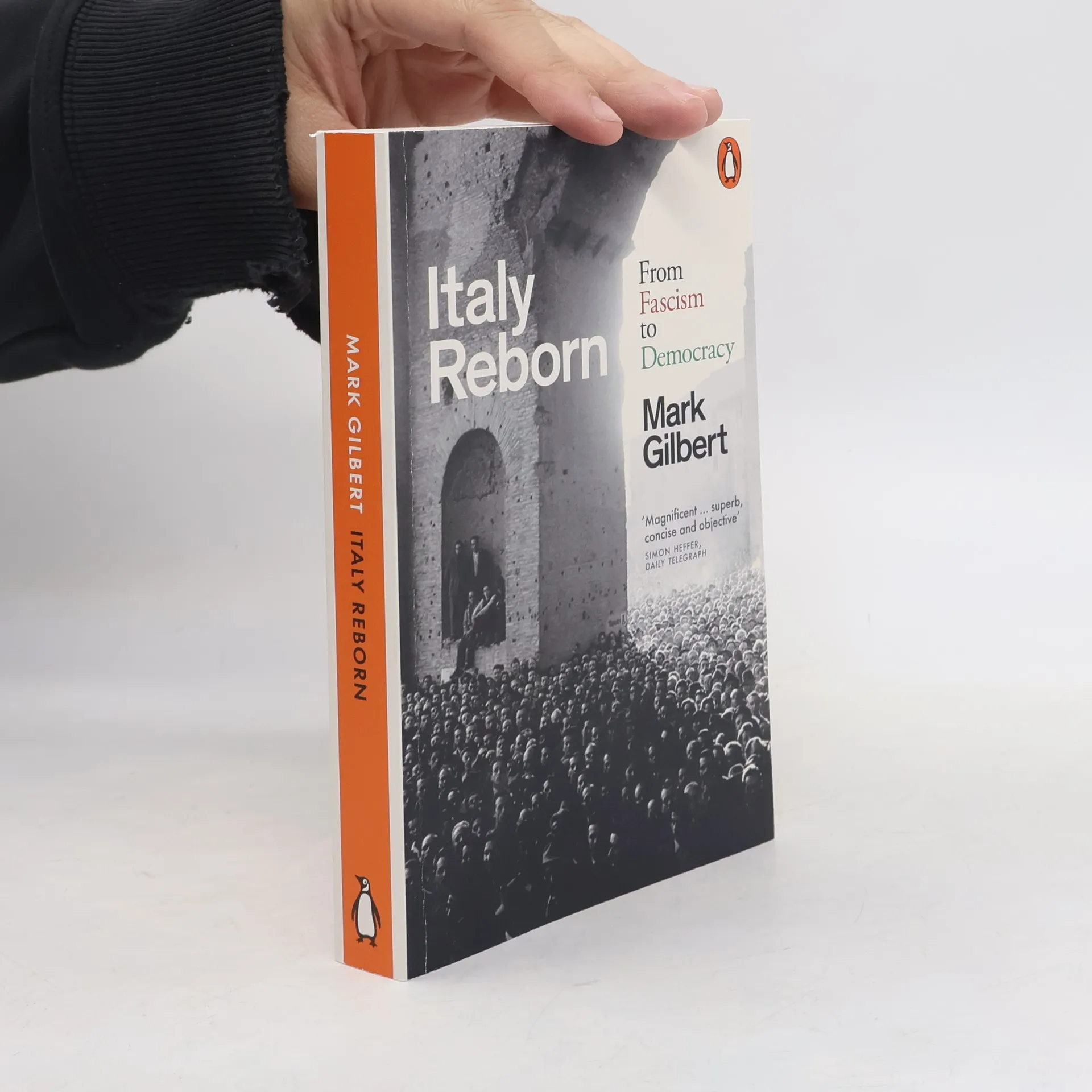
The rebirth of Italy after the Second World War is one of the most impressive political transformations in modern European history. In 1945, post-fascist Italy was devastated by war and its reputation in the international arena was nil. Yet by December 1955, when Italy was admitted to the United Nations, the nation had contested three acrimonious but free general elections, had a flourishing press, and was a leader in the re-building of Europe. The contrast with Fascism was stark. This book charts the descent of Italy into Fascism, the scale of the wartime disaster, the Italian resistance to Nazi occupation, and the establishment of the Republic in 1946. The Cold War divided, in 1947, the coalition of parties that had led the resistance to Fascism and Nazism. The book's final chapters deal with the consolidation of Italian democracy and with the statesmanship of Alcide De Gasperi, the premier from December 1945 to August 1953. The book argues, first, that De Gasperi deserves more credit than he has typically been accorded for Italy's post-war democratization and, second, that Italian democracy was constructed on a sound foundation - which is why it has been able to survive its many post-war crises. Largely based on contemporary Italian sources, the book is written in an engaging, lively way for both the general reader and specialists in Italian history.


Zakup książki
Italy Reborn, Mark Gilbert
- Język

- Rok wydania
- 2025
- Oprawa
- (miękka)
Metody płatności
Brakuje nam tutaj Twojej recenzji.
- Tytuł
- Italy Reborn
- Podtytuł
- From Fascism to Democracy
- Język
- angielski
- Autorzy
- Mark Gilbert
- Wydawca
- Penguin Books Ltd
- Rok wydania
- 2025
- Oprawa
- miękka
- Liczba stron
- 544
- ISBN10
- 0141995211
- ISBN13
- 9780141995212
- Seria
- Ocena
- 4,15 z 5
- Opis
- The rebirth of Italy after the Second World War is one of the most impressive political transformations in modern European history. In 1945, post-fascist Italy was devastated by war and its reputation in the international arena was nil. Yet by December 1955, when Italy was admitted to the United Nations, the nation had contested three acrimonious but free general elections, had a flourishing press, and was a leader in the re-building of Europe. The contrast with Fascism was stark. This book charts the descent of Italy into Fascism, the scale of the wartime disaster, the Italian resistance to Nazi occupation, and the establishment of the Republic in 1946. The Cold War divided, in 1947, the coalition of parties that had led the resistance to Fascism and Nazism. The book's final chapters deal with the consolidation of Italian democracy and with the statesmanship of Alcide De Gasperi, the premier from December 1945 to August 1953. The book argues, first, that De Gasperi deserves more credit than he has typically been accorded for Italy's post-war democratization and, second, that Italian democracy was constructed on a sound foundation - which is why it has been able to survive its many post-war crises. Largely based on contemporary Italian sources, the book is written in an engaging, lively way for both the general reader and specialists in Italian history.