


Więcej o książce
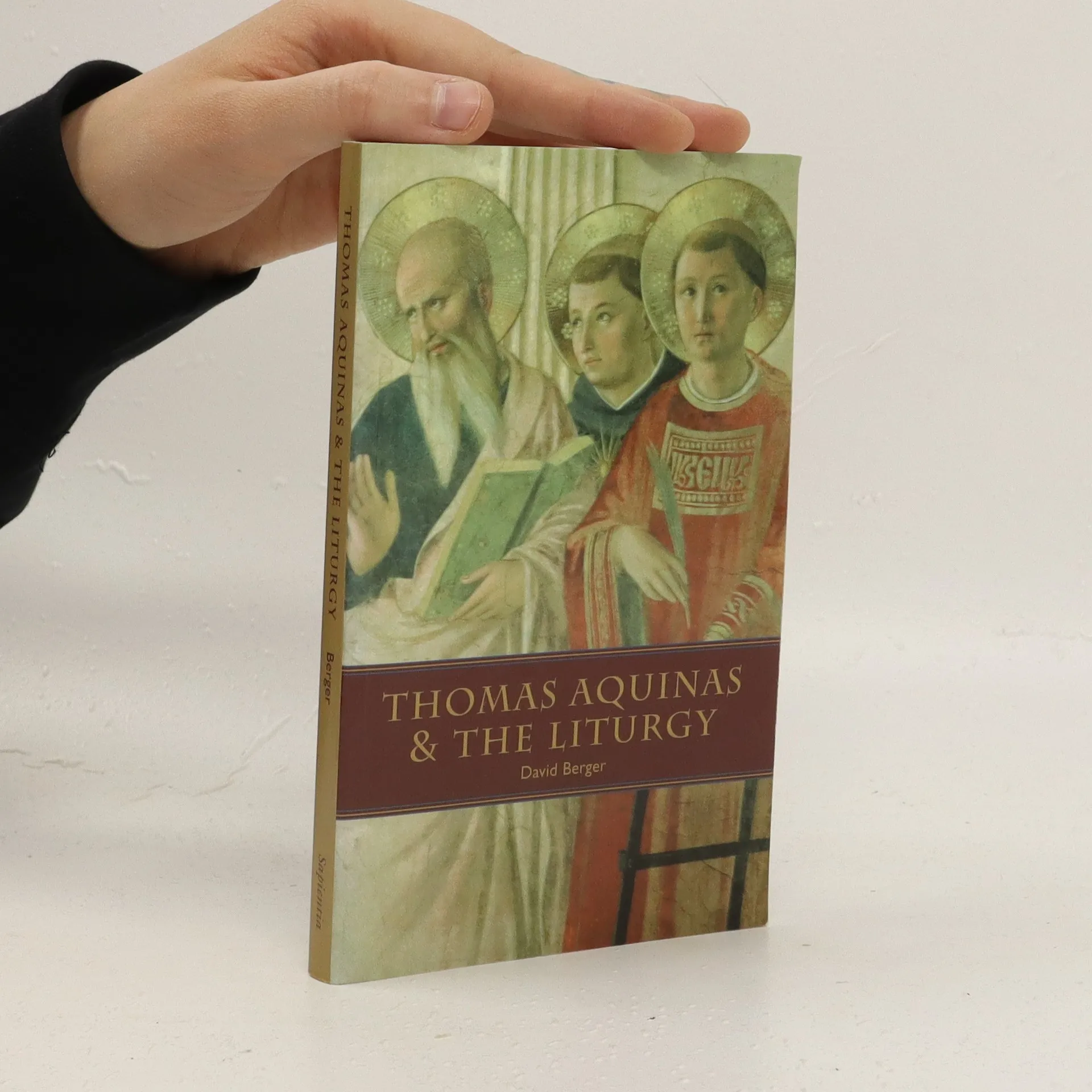
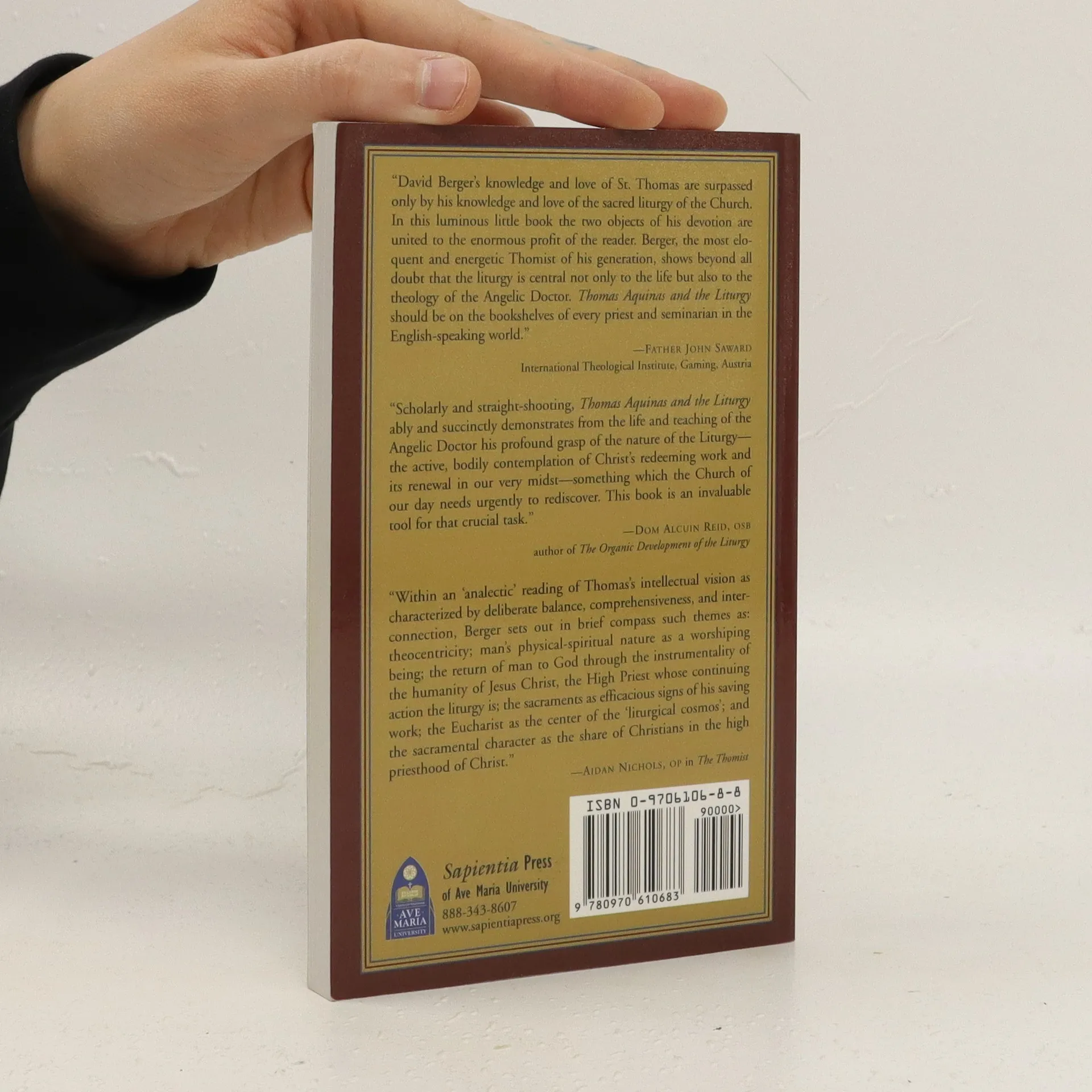
Over the past century, the liturgy has been a flashpoint of theological interest. Few scholars, however, have examined what St. Thomas Aquinas has to say about the Liturgy. In this concise volume, David Berger ably takes on this task. A member of the Pontifical Academy of St. Thomas, Berger approaches his theme from a perspective in accord with Cardinal Ratzingers recent call for a "reform of the reform." Drawing together St. Thomas's life and theology, Berger illumines the role in St. Thomas's theology of his youthful training at the Benedictine monastery of Monte Cassino and his devotion to the Eucharist. Rightly renowned for his articulation of the real presence of Christ in the Eucharist by transubstantiation, St. Thomas deserves also to be regarded as a master of liturgics. Berger demonstrates that liturgy belongs to the heart of St. Thomas's speculative theological syntheses: For St. Thomas, lex orandi truly is lex credendi. As Berger shows, St. Thomas provides a supremely incamational view of the Christian liturgy, in which man. As a body-soul unity, is drawn with the angels into Christ's redemptive sacrifice.

Zakup książki
Thomas Aquinas & the Liturgy, David Berger
- Język

- Rok wydania
- 2005
- Oprawa
- (miękka)
Metody płatności
Brakuje nam tutaj Twojej recenzji.
- Tytuł
- Thomas Aquinas & the Liturgy
- Język
- angielski
- Autorzy
- David Berger
- Wydawca
- Ave Maria University Press
- Rok wydania
- 2005
- Oprawa
- miękka
- Liczba stron
- 133
- ISBN10
- 0970610688
- ISBN13
- 9780970610683
- Seria
- Kategorie
- Tagi
- Tematy religijne, Teologia
- Ocena
- 3,75 z 5
- Opis
- Over the past century, the liturgy has been a flashpoint of theological interest. Few scholars, however, have examined what St. Thomas Aquinas has to say about the Liturgy. In this concise volume, David Berger ably takes on this task. A member of the Pontifical Academy of St. Thomas, Berger approaches his theme from a perspective in accord with Cardinal Ratzingers recent call for a "reform of the reform." Drawing together St. Thomas's life and theology, Berger illumines the role in St. Thomas's theology of his youthful training at the Benedictine monastery of Monte Cassino and his devotion to the Eucharist. Rightly renowned for his articulation of the real presence of Christ in the Eucharist by transubstantiation, St. Thomas deserves also to be regarded as a master of liturgics. Berger demonstrates that liturgy belongs to the heart of St. Thomas's speculative theological syntheses: For St. Thomas, lex orandi truly is lex credendi. As Berger shows, St. Thomas provides a supremely incamational view of the Christian liturgy, in which man. As a body-soul unity, is drawn with the angels into Christ's redemptive sacrifice.