



Więcej o książce
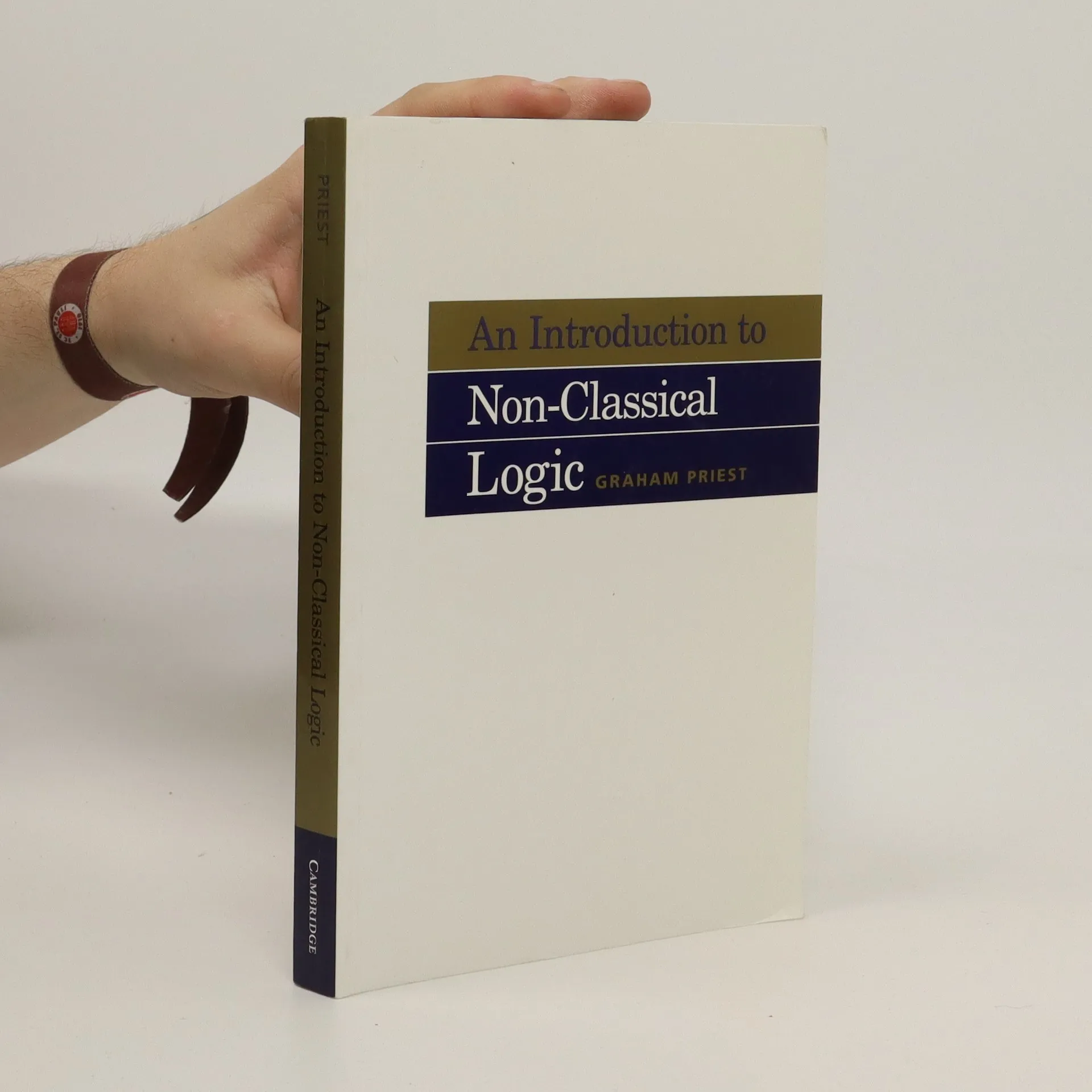
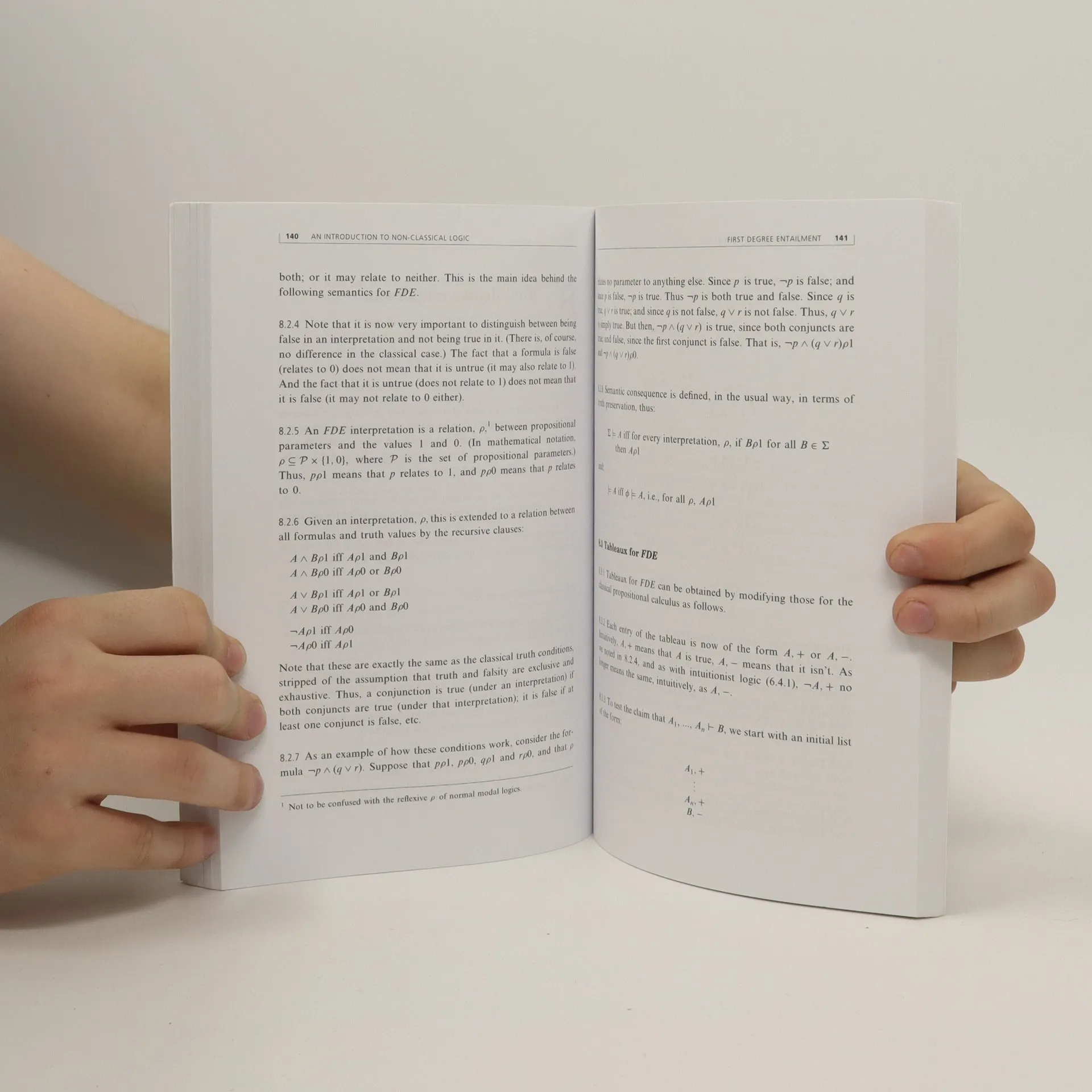
This book is an introduction to non-classical propositional logics. It brings together for the first time in a textbook a range of topics in logic, many of them of relatively recent origin, including modal, conditional, intuitionist, many-valued, paraconsistent, relevant and fuzzy logics. The material is unified by the underlying theme of world-semantics. All of the topics are explained clearly and accessibly, using devices such as tableaux proofs, and their relation to current philosophical issues and debates is discussed. Students with a basic understanding of classical logic will find this an invaluable introduction to an area that has become of central importance in both logic and philosophy, but which, until now, could be studied only through the research literature. It will interest those studying logic, those who need to know about non-classical logics because of their philosophical importance, and, more widely, readers working in mathematics and computer science.



Zakup książki
An Introduction to Non-Classical Logic, Graham Priest
- Język

- Rok wydania
- 2003
- Oprawa
- (miękka)
Metody płatności
Brakuje nam tutaj Twojej recenzji.
- Tytuł
- An Introduction to Non-Classical Logic
- Język
- angielski
- Autorzy
- Graham Priest
- Wydawca
- University Press
- Rok wydania
- 2003
- Oprawa
- miękka
- Liczba stron
- 264
- ISBN10
- 052179434x
- ISBN13
- 9780521794343
- Ocena
- 4,15 z 5
- Opis
- This book is an introduction to non-classical propositional logics. It brings together for the first time in a textbook a range of topics in logic, many of them of relatively recent origin, including modal, conditional, intuitionist, many-valued, paraconsistent, relevant and fuzzy logics. The material is unified by the underlying theme of world-semantics. All of the topics are explained clearly and accessibly, using devices such as tableaux proofs, and their relation to current philosophical issues and debates is discussed. Students with a basic understanding of classical logic will find this an invaluable introduction to an area that has become of central importance in both logic and philosophy, but which, until now, could be studied only through the research literature. It will interest those studying logic, those who need to know about non-classical logics because of their philosophical importance, and, more widely, readers working in mathematics and computer science.