



Parametry
- 544 strony
- 20 godzin czytania
Więcej o książce
This groundbreaking work challenges conventional views on autism, advocating for a broader model of acceptance and understanding for those who think differently. Autism is portrayed not just as a developmental disorder or disability, but also as a natural cognitive variation that can resemble certain forms of genius. The future of society hinges on our comprehension of autism. The author, a WIRED reporter, uncovers a suppressed history of autism, revealing surprising insights into the recent surge in diagnoses. By tracing the origins of autism research and chronicling the experiences of autistic individuals and their families, the book offers long-sought solutions to the autism puzzle and outlines a path toward a more compassionate society. This includes ensuring that those with learning differences and their loved ones have access to essential resources for happier and more meaningful lives. Key figures are highlighted, such as Hans Asperger, who faced a tragic legacy, and Leo Kanner, whose efforts to obscure knowledge of the autism spectrum lasted decades. The narrative also emphasizes the neurodiversity movement, which advocates for respect, support, and rights for individuals with cognitive differences, aiming for innovation and accommodations in various aspects of life.





Zakup książki
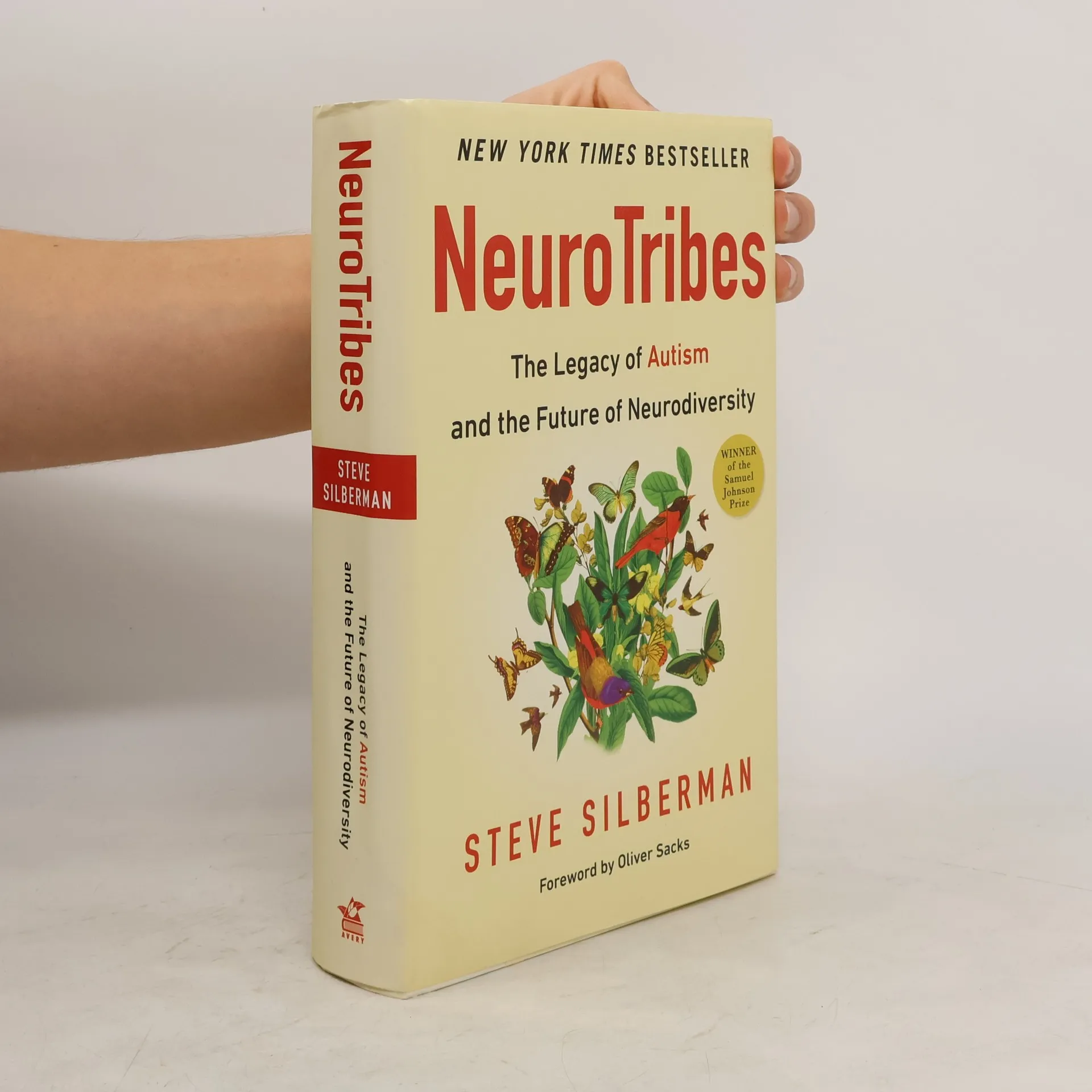
NeuroTribes. The Legacy of Autism and the Future of Neurodiversity, Steve Silberman
- Język

- Rok wydania
- 2015
- Oprawa
- (twarda)
Metody płatności
Brakuje nam tutaj Twojej recenzji.
- Tytuł
- NeuroTribes. The Legacy of Autism and the Future of Neurodiversity
- Język
- angielski
- Autorzy
- Steve Silberman
- Rok wydania
- 2015
- Oprawa
- twarda
- Liczba stron
- 544
- ISBN10
- 158333467X
- ISBN13
- 9781583334676
- Seria
- Kategorie
- Tagi
- Tematy historyczne, Nauki przyrodnicze, Tematyka psychologiczna, Nauka, Prawdziwe historie, Autyzm, Niepełnosprawność, Zespół Aspergera
- Pierwsze wydanie
- 2015
- Oryginalna nazwa
- Neurotribes
- Ocena
- 4,25 z 5
- Opis
- This groundbreaking work challenges conventional views on autism, advocating for a broader model of acceptance and understanding for those who think differently. Autism is portrayed not just as a developmental disorder or disability, but also as a natural cognitive variation that can resemble certain forms of genius. The future of society hinges on our comprehension of autism. The author, a WIRED reporter, uncovers a suppressed history of autism, revealing surprising insights into the recent surge in diagnoses. By tracing the origins of autism research and chronicling the experiences of autistic individuals and their families, the book offers long-sought solutions to the autism puzzle and outlines a path toward a more compassionate society. This includes ensuring that those with learning differences and their loved ones have access to essential resources for happier and more meaningful lives. Key figures are highlighted, such as Hans Asperger, who faced a tragic legacy, and Leo Kanner, whose efforts to obscure knowledge of the autism spectrum lasted decades. The narrative also emphasizes the neurodiversity movement, which advocates for respect, support, and rights for individuals with cognitive differences, aiming for innovation and accommodations in various aspects of life.