

Więcej o książce
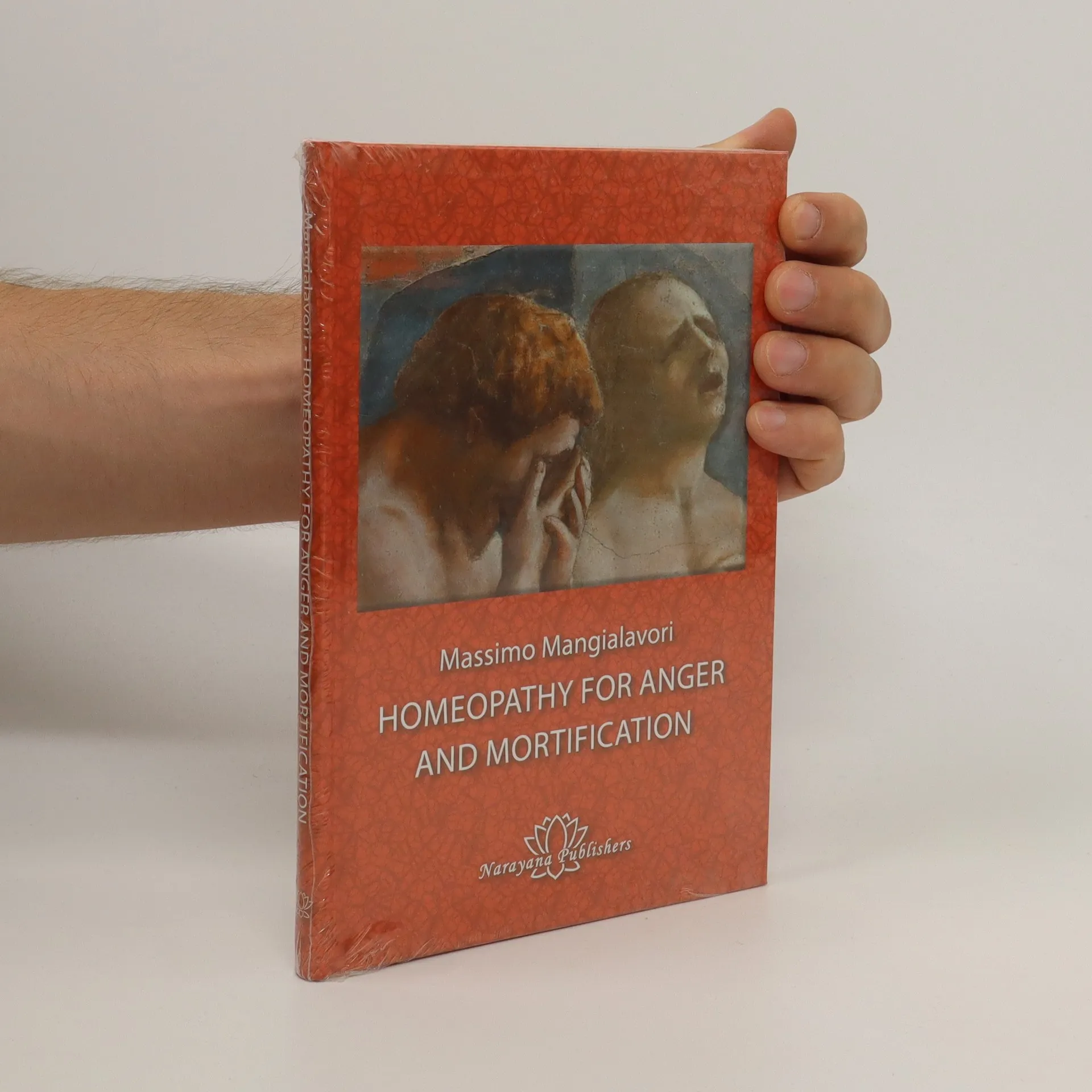
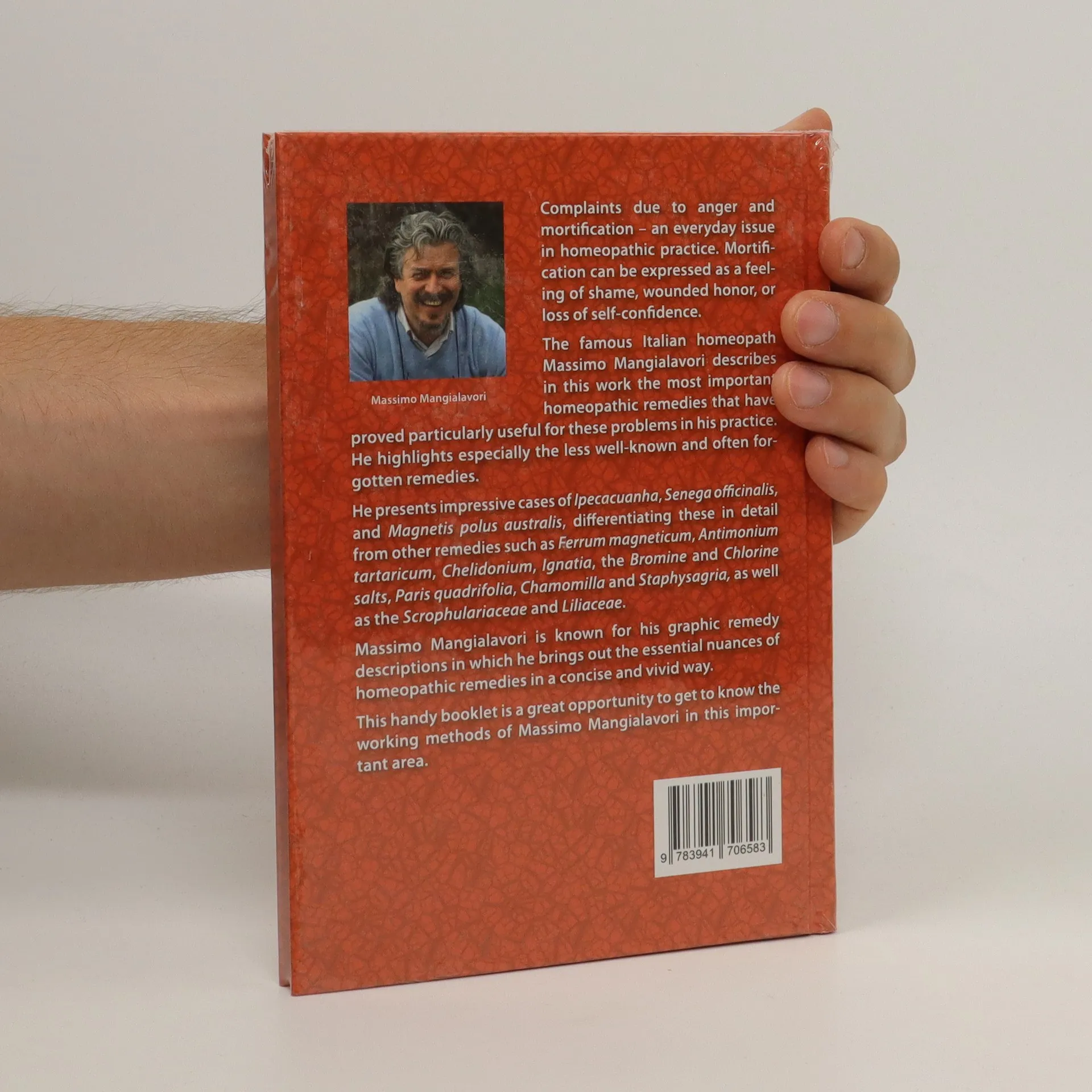
Complaints arising from anger and mortification are a common theme in homeopathic practice. Mortification can manifest as feelings of shame, wounded honor, or lost self-confidence. In this work, renowned Italian homeopath Massimo Mangialavori describes the key homeopathic remedies that have proven effective in his practice for these issues. He particularly focuses on lesser-known remedies that are often forgotten. He presents striking cases of Ipecacuanha, Senega officinalis, and Magnetis polus australis, and provides detailed differentiations with other remedies such as Ferrum magneticum, Antimonium tartaricum, Chelidonium, Ignatia, bromides and chlorides, Paris quadrifolia, Chamomilla, Staphisagria, as well as the Scrophulariaceae and Liliaceae families. Mangialavori is known for his vivid descriptions of remedies, capturing the essential nuances of homeopathic medicines with clarity and precision. This concise book offers a valuable opportunity to explore Mangialavori's approach to this important subject.

Zakup książki
Homeopathy for Anger and Mortification, Massimo Mangialavori
- Język

- Rok wydania
- 2011
- Oprawa
- (twarda)
Metody płatności
Brakuje nam tutaj Twojej recenzji.
- Tytuł
- Homeopathy for Anger and Mortification
- Język
- angielski
- Autorzy
- Massimo Mangialavori
- Rok wydania
- 2011
- Oprawa
- twarda
- Liczba stron
- 96
- ISBN10
- 3941706586
- ISBN13
- 9783941706583
- Seria
- Ocena
- 5 z 5
- Opis
- Complaints arising from anger and mortification are a common theme in homeopathic practice. Mortification can manifest as feelings of shame, wounded honor, or lost self-confidence. In this work, renowned Italian homeopath Massimo Mangialavori describes the key homeopathic remedies that have proven effective in his practice for these issues. He particularly focuses on lesser-known remedies that are often forgotten. He presents striking cases of Ipecacuanha, Senega officinalis, and Magnetis polus australis, and provides detailed differentiations with other remedies such as Ferrum magneticum, Antimonium tartaricum, Chelidonium, Ignatia, bromides and chlorides, Paris quadrifolia, Chamomilla, Staphisagria, as well as the Scrophulariaceae and Liliaceae families. Mangialavori is known for his vivid descriptions of remedies, capturing the essential nuances of homeopathic medicines with clarity and precision. This concise book offers a valuable opportunity to explore Mangialavori's approach to this important subject.