

Ocena książki
Parametry
Więcej o książce
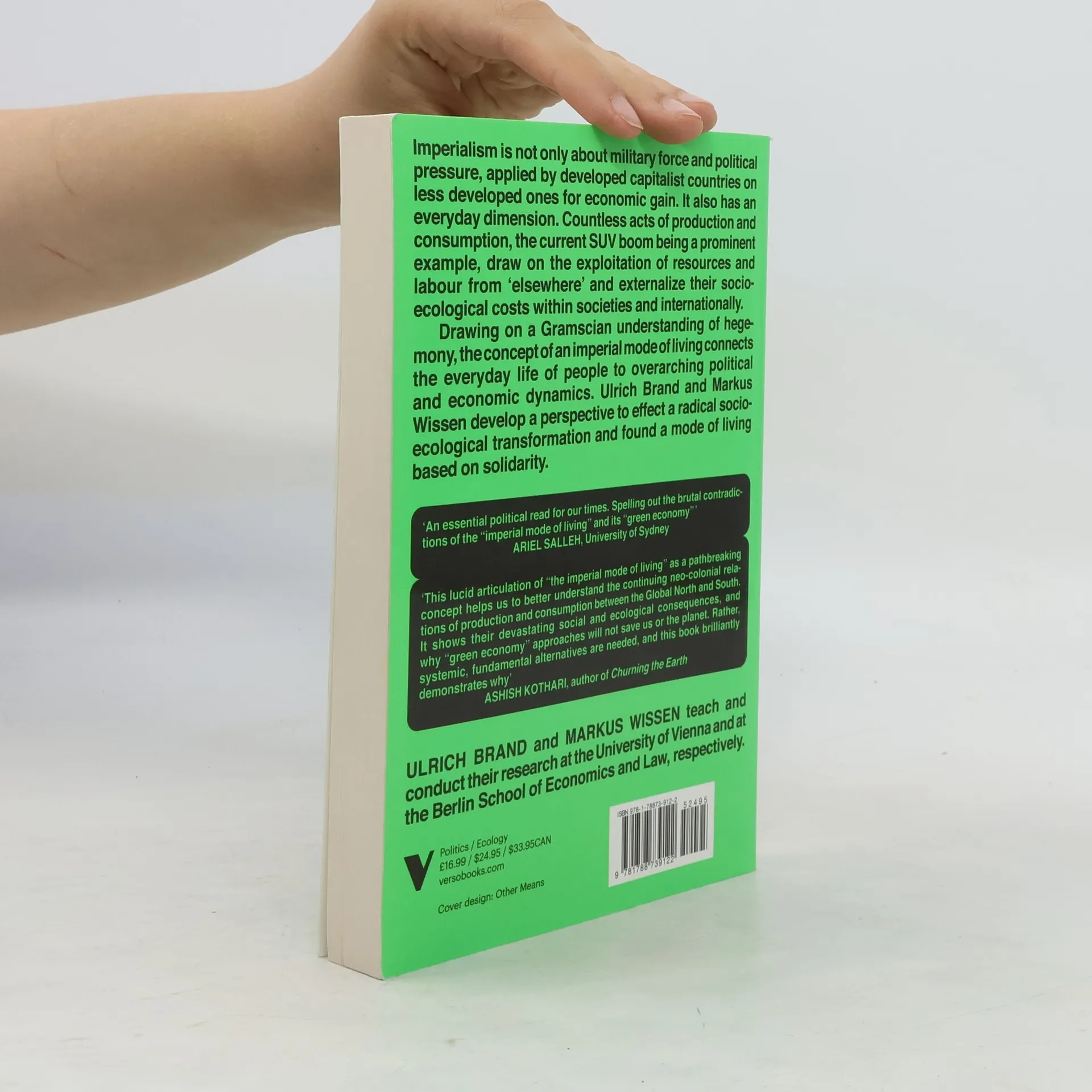
Brand and Wissen highlight the fact that capitalism implies uneven development, as well as a constant and accelerating universalisation of a Western mode of production and living. The logic of liberal markets since the 19th century, and especially since World War II, has been inscribed into everyday practices that are usually unconsciously reproduced. The authors show that these practices are a main driver of the ecological crisis and economic and political instability. The book also implies that people's everyday practices, including individual and societal orientations and identities, rely heavily on the unlimited appropriation of resources; a disproportionate claim on global and local ecosystems and sinks; and cheap labour from elsewhere. This availability of commodities is largely organised through the world market, backed by military force and/or the asymmetric relations of forces as they have been inscribed in international institutions. Moreover, the 'Imperial Mode of Living' implies asymmetrical social relations along class, gender and race within the respective countries. Here too, it is driven by the capitalist accumulation imperative, growth-oriented state policies and status consumption


Zakup książki
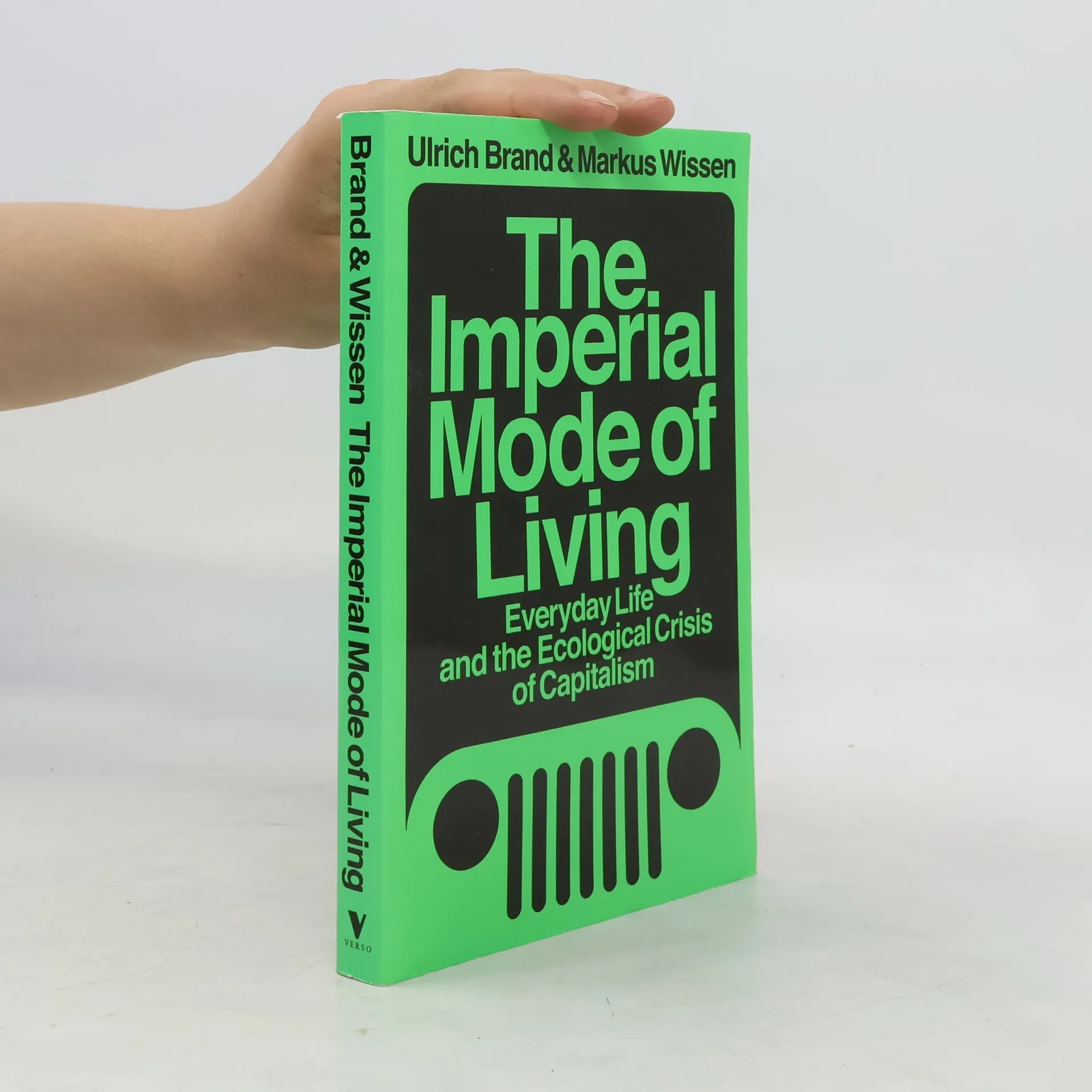
The Imperial Mode of Living: Everyday Life and the Ecological Crisis of Capitalism, Ulrich Brand
- Język

- Rok wydania
- 2021
- Oprawa
- (miękka)
Metody płatności
Brakuje nam tutaj Twojej recenzji.
- Tytuł
- The Imperial Mode of Living: Everyday Life and the Ecological Crisis of Capitalism
- Język
- angielski
- Autorzy
- Ulrich Brand
- Wydawca
- Verso Books
- Rok wydania
- 2021
- Oprawa
- miękka
- ISBN10
- 1788739124
- ISBN13
- 9781788739122
- Seria
- Kategorie
- Ocena
- 4 z 5
- Opis
- Brand and Wissen highlight the fact that capitalism implies uneven development, as well as a constant and accelerating universalisation of a Western mode of production and living. The logic of liberal markets since the 19th century, and especially since World War II, has been inscribed into everyday practices that are usually unconsciously reproduced. The authors show that these practices are a main driver of the ecological crisis and economic and political instability. The book also implies that people's everyday practices, including individual and societal orientations and identities, rely heavily on the unlimited appropriation of resources; a disproportionate claim on global and local ecosystems and sinks; and cheap labour from elsewhere. This availability of commodities is largely organised through the world market, backed by military force and/or the asymmetric relations of forces as they have been inscribed in international institutions. Moreover, the 'Imperial Mode of Living' implies asymmetrical social relations along class, gender and race within the respective countries. Here too, it is driven by the capitalist accumulation imperative, growth-oriented state policies and status consumption