


Więcej o książce
One of the great fears many face is discovering that, despite our efforts, we have wasted our lives. This work delves into Stoic philosophy, a prominent school of thought in ancient Rome, demonstrating its relevance to modern life. It presents a refreshing view of Stoicism, illustrating how its insights can guide us toward a better existence. By employing the psychological insights and practical techniques of the Stoics, the author provides a roadmap for those seeking to overcome chronic dissatisfaction. Various Stoic methods for attaining tranquility are explored, along with personal experiences that offer valuable advice for living better. Readers learn to minimize worry, let go of the past, and focus on what they can control, while also addressing insults, grief, old age, and the temptations of fame and fortune. Lessons from Marcus Aurelius emphasize valuing what truly matters, while Epictetus teaches contentment with what we have. Ultimately, the work encourages readers to become thoughtful observers of their lives, reflecting on daily experiences to identify and avoid sources of distress. Through this practice, the Stoics believed, one could aspire to achieve a genuinely joyful life.


Zakup książki
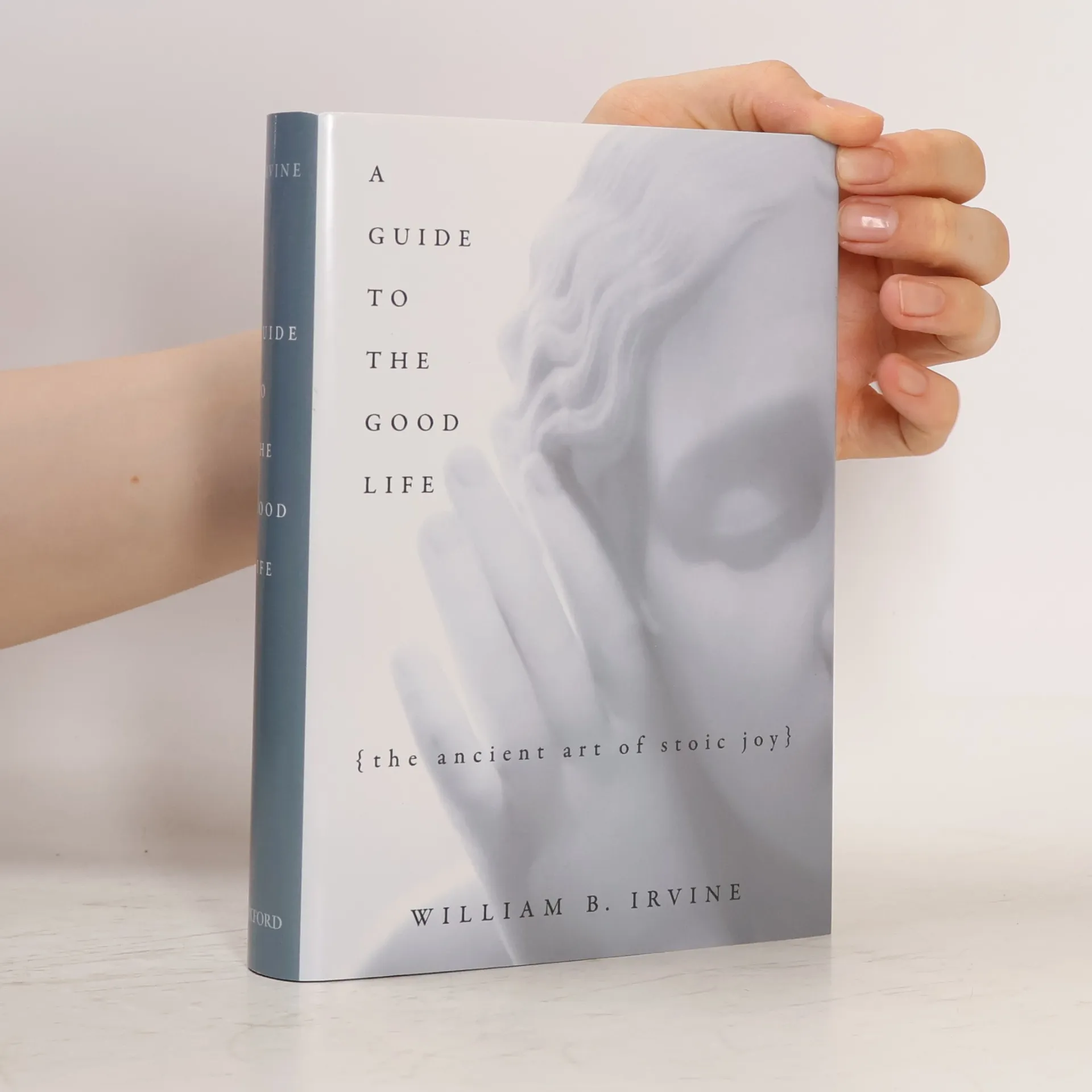
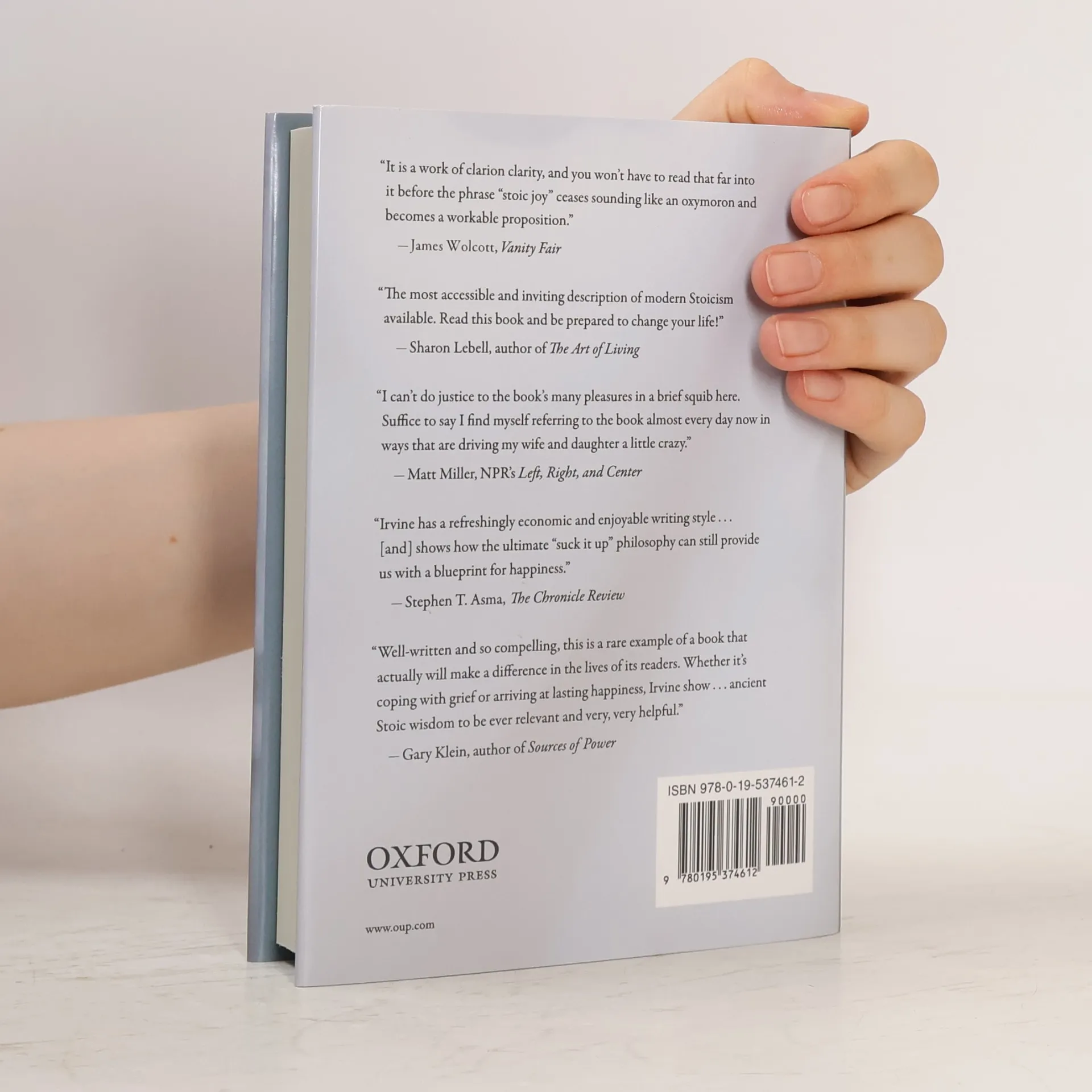
A Guide To The Good Life, William Irvine
- Język

- Rok wydania
- 2009
- Oprawa
- (twarda)
Metody płatności
Brakuje nam tutaj Twojej recenzji.
- Tytuł
- A Guide To The Good Life
- Język
- angielski
- Autorzy
- William Irvine
- Wydawca
- Oxford University Press
- Rok wydania
- 2009
- Oprawa
- twarda
- ISBN10
- 0195374614
- ISBN13
- 9780195374612
- Seria
- Kategorie
- Tagi
- Tematyka psychologiczna, Tematyka filozoficzna, Duchowość, Filozofia starożytna i antyczna, Stoicyzm
- Pierwsze wydanie
- 2008
- Oryginalna nazwa
- A Guide to the Good Life
- Ocena
- 4,2 z 5
- Opis
- One of the great fears many face is discovering that, despite our efforts, we have wasted our lives. This work delves into Stoic philosophy, a prominent school of thought in ancient Rome, demonstrating its relevance to modern life. It presents a refreshing view of Stoicism, illustrating how its insights can guide us toward a better existence. By employing the psychological insights and practical techniques of the Stoics, the author provides a roadmap for those seeking to overcome chronic dissatisfaction. Various Stoic methods for attaining tranquility are explored, along with personal experiences that offer valuable advice for living better. Readers learn to minimize worry, let go of the past, and focus on what they can control, while also addressing insults, grief, old age, and the temptations of fame and fortune. Lessons from Marcus Aurelius emphasize valuing what truly matters, while Epictetus teaches contentment with what we have. Ultimately, the work encourages readers to become thoughtful observers of their lives, reflecting on daily experiences to identify and avoid sources of distress. Through this practice, the Stoics believed, one could aspire to achieve a genuinely joyful life.