


Więcej o książce
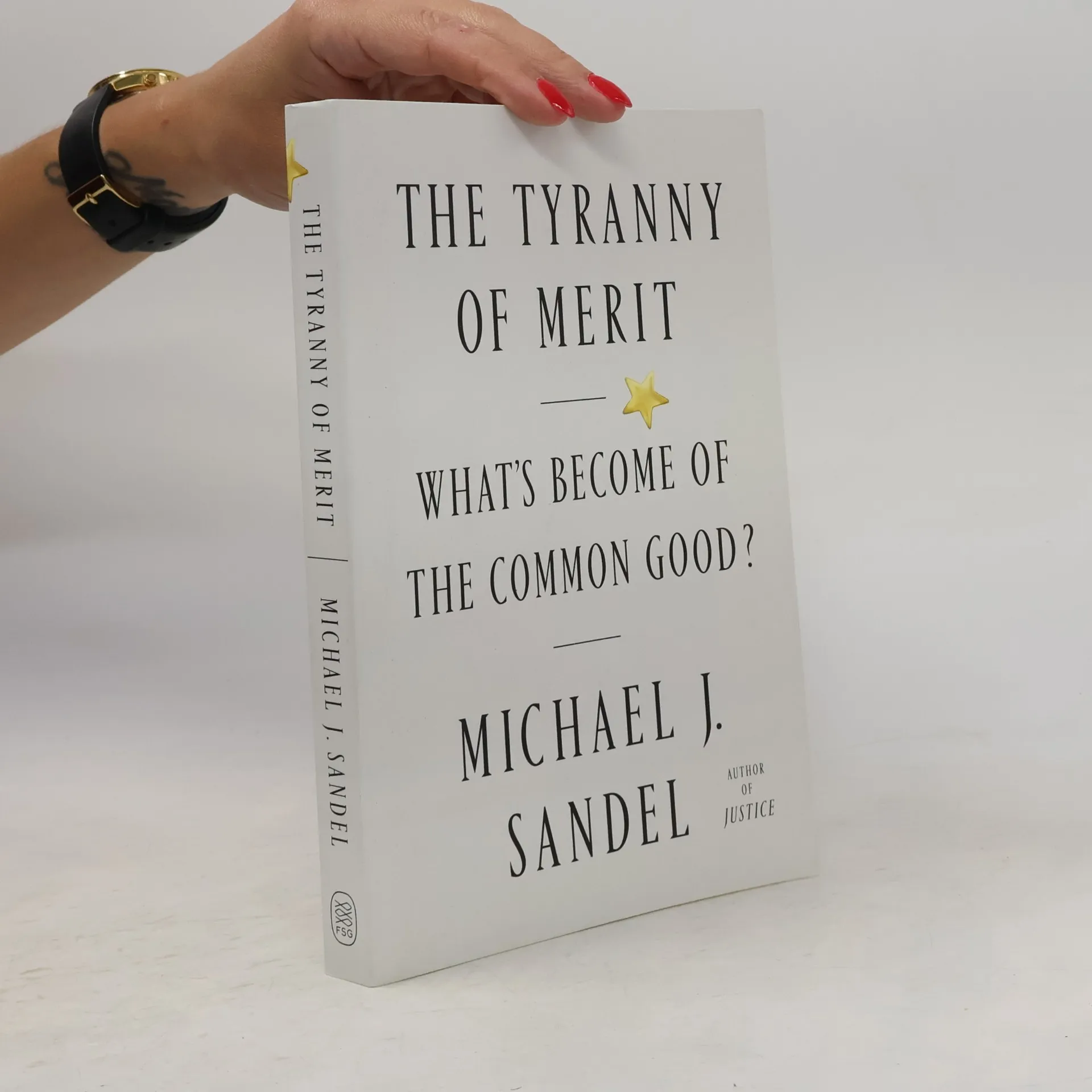
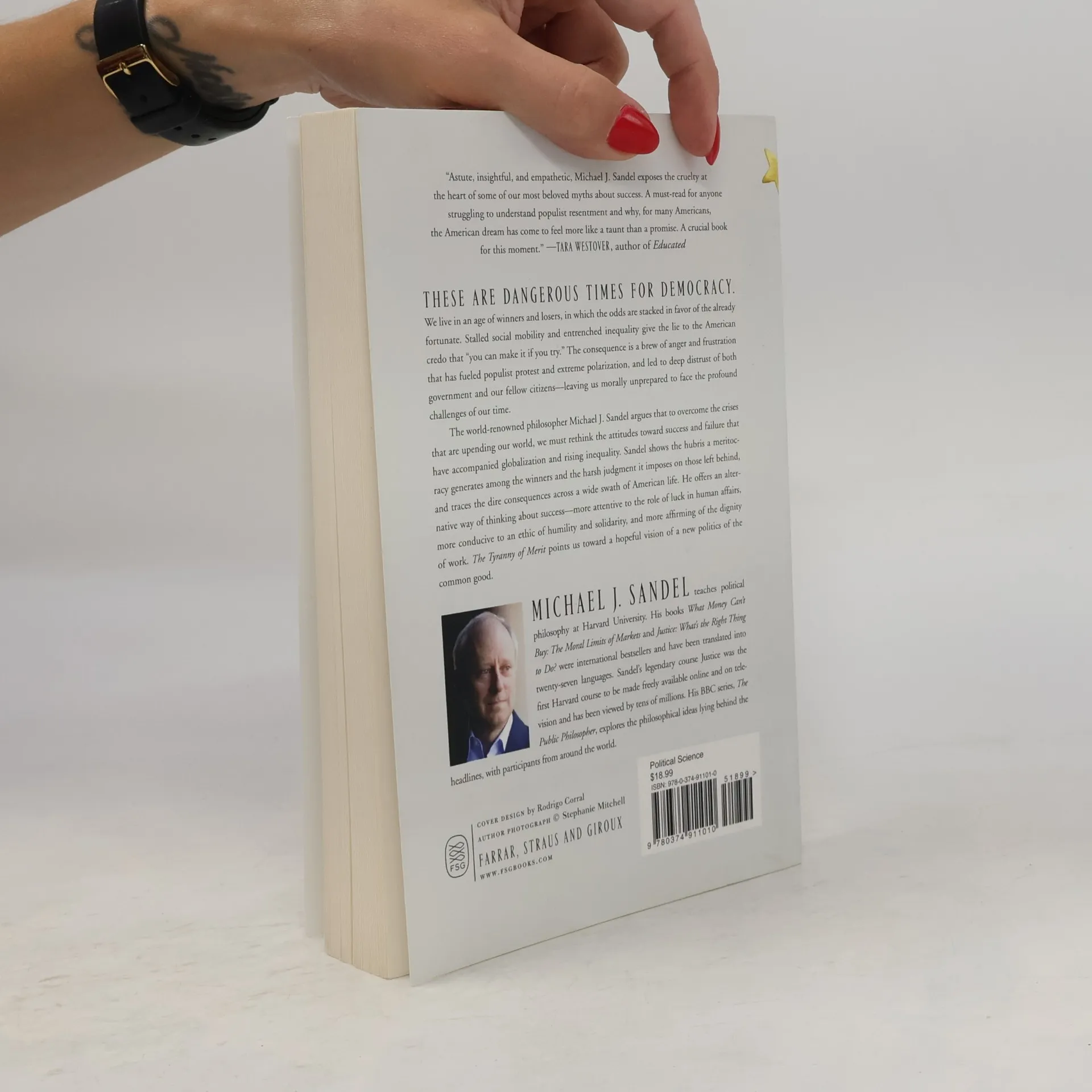
These are dangerous times for democracy. We live in an age of winners and losers, where the odds are stacked in favour of the already fortunate. Stalled social mobility and entrenched inequality give the lie to the promise that "you can make it if you try". And the consequence is a brew of anger and frustration that has fuelled populist protest, with the triumph of Brexit and election of Donald Trump. Michael J. Sandel argues that to overcome the polarized politics of our time, we must rethink the attitudes toward success and failure that have accompanied globalisation and rising inequality. Sandel highlights the hubris a meritocracy generates among the winners and the harsh judgement it imposes on those left behind. He offers an alternative way of thinking about success - more attentive to the role of luck in human affairs, more conducive to an ethic of humility, and more hospitable to a politics of the common good.







Zakup książki
The Tyranny of Merit, Michael J. Sandel
- Język

- Rok wydania
- 2020
- Oprawa
- (miękka),
- Stan książki
- Dobry
- Cena
- 58,62 zł
Metody płatności
Brakuje nam tutaj Twojej recenzji.
- Tytuł
- The Tyranny of Merit
- Język
- angielski
- Autorzy
- Michael J. Sandel
- Wydawca
- Farrar, Straus and Giroux
- Rok wydania
- 2020
- Oprawa
- miękka
- ISBN10
- 0374911010
- ISBN13
- 9780374911010
- Seria
- Kategorie
- Tagi
- Tematy historyczne, Biznes, Tematyka filozoficzna, Polityka, Prezenty dla dziadka, Społeczeństwo
- Ocena
- 4,2 z 5
- Opis
- These are dangerous times for democracy. We live in an age of winners and losers, where the odds are stacked in favour of the already fortunate. Stalled social mobility and entrenched inequality give the lie to the promise that "you can make it if you try". And the consequence is a brew of anger and frustration that has fuelled populist protest, with the triumph of Brexit and election of Donald Trump. Michael J. Sandel argues that to overcome the polarized politics of our time, we must rethink the attitudes toward success and failure that have accompanied globalisation and rising inequality. Sandel highlights the hubris a meritocracy generates among the winners and the harsh judgement it imposes on those left behind. He offers an alternative way of thinking about success - more attentive to the role of luck in human affairs, more conducive to an ethic of humility, and more hospitable to a politics of the common good.