



Parametry
Więcej o książce
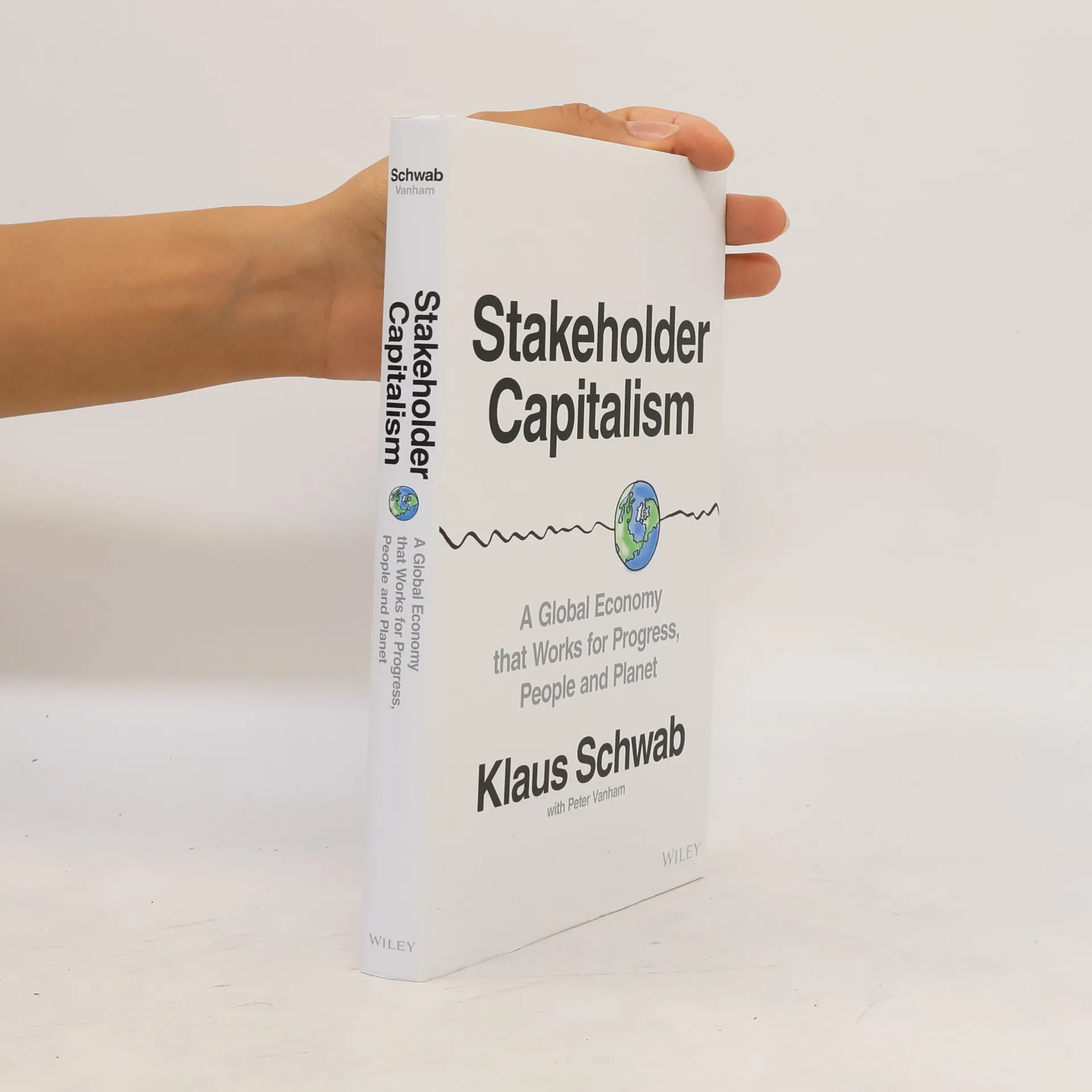
Our global economic system is in disarray, characterized by upheaval, unsustainability, and uncertainty. To create an economy that benefits all people and the planet, we must address rising income inequality, the monopolistic power of large corporations stifling innovation, and the environmental degradation caused by resource exploitation. The ongoing debate about the root causes of this broken economy—whether due to laissez-faire policies, mismanaged globalization, or technological disparities—remains unresolved. The argument presented emphasizes that recognizing the true nature of our problems is crucial for progress. The author, a prominent figure at the World Economic Forum, investigates the underlying issues and explores solutions found in best practices globally, from diverse countries like China, Denmark, and New Zealand. Key insights include the importance of individual agency in policy-making, establishing a social contract based on shared values, planning for future generations, and redefining economic success beyond GDP to encompass holistic measures of societal well-being. By accurately diagnosing our situation, the work identifies actionable strategies for reshaping the global economy. Each chapter illustrates how individuals, businesses, and governments can collaboratively mend the fractured system, fostering a more equitable and sustainable future for all.

Zakup książki
Stakeholder Capitalism, Klaus Schwab
- Język

- Rok wydania
- 2021
- Oprawa
- (twarda)
Metody płatności
Brakuje nam tutaj Twojej recenzji.
- Tytuł
- Stakeholder Capitalism
- Język
- angielski
- Autorzy
- Klaus Schwab
- Wydawca
- Wiley John + Sons
- Rok wydania
- 2021
- Oprawa
- twarda
- ISBN10
- 1119756138
- ISBN13
- 9781119756132
- Seria
- Kategorie
- Tagi
- Ocena
- 3,5 z 5
- Opis
- Our global economic system is in disarray, characterized by upheaval, unsustainability, and uncertainty. To create an economy that benefits all people and the planet, we must address rising income inequality, the monopolistic power of large corporations stifling innovation, and the environmental degradation caused by resource exploitation. The ongoing debate about the root causes of this broken economy—whether due to laissez-faire policies, mismanaged globalization, or technological disparities—remains unresolved. The argument presented emphasizes that recognizing the true nature of our problems is crucial for progress. The author, a prominent figure at the World Economic Forum, investigates the underlying issues and explores solutions found in best practices globally, from diverse countries like China, Denmark, and New Zealand. Key insights include the importance of individual agency in policy-making, establishing a social contract based on shared values, planning for future generations, and redefining economic success beyond GDP to encompass holistic measures of societal well-being. By accurately diagnosing our situation, the work identifies actionable strategies for reshaping the global economy. Each chapter illustrates how individuals, businesses, and governments can collaboratively mend the fractured system, fostering a more equitable and sustainable future for all.