

Więcej o książce
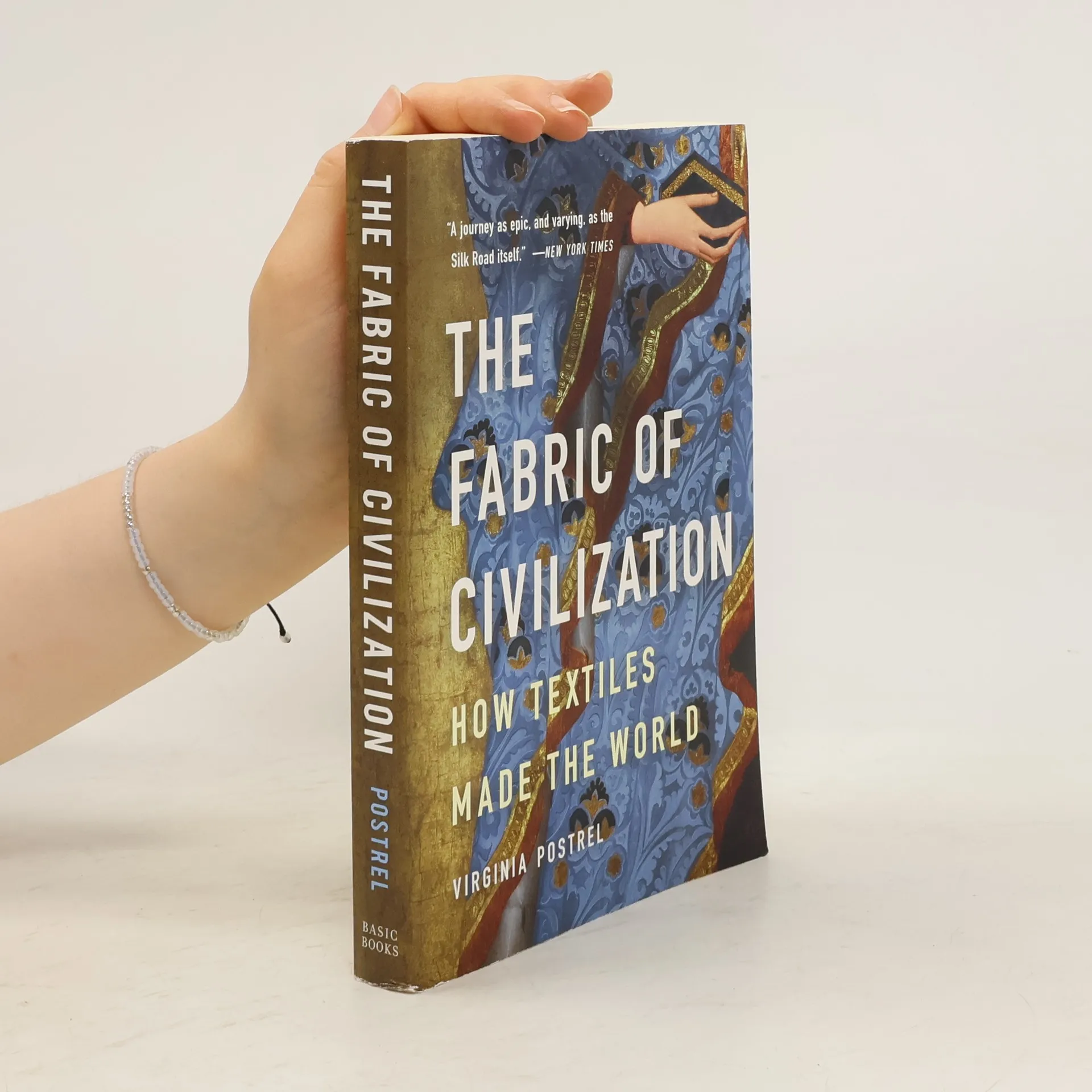
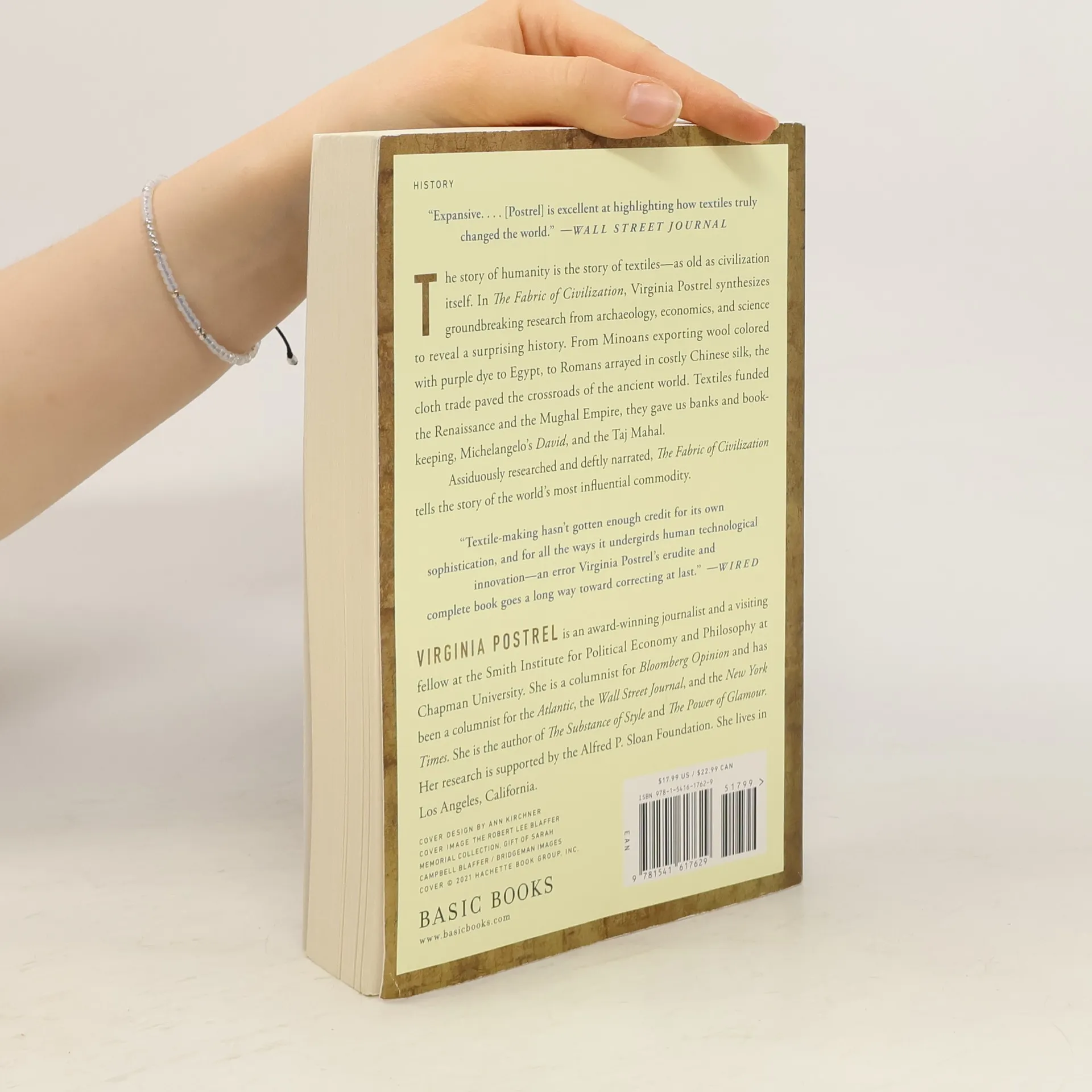
From Neanderthal string to 3D knitting, this expansive global history reveals how textiles have shaped humanity. The narrative begins with the first thread spun, illustrating how the demand for textiles has influenced technology, business, politics, and culture throughout civilization. Groundbreaking research from archaeology, economics, and science uncovers a surprising history, from Minoans exporting wool dyed with precious purple to Romans adorned in costly Chinese silk. The cloth trade served as a vital link in the ancient world, funding the Renaissance and the Mughal Empire while also giving rise to banks and bookkeeping, as well as masterpieces like Michelangelo's David and the Taj Mahal. Textiles not only spread the alphabet and arithmetic but also propelled chemical research and introduced binary thinking. This meticulously researched and engaging narrative tells the story of the world's most significant commodity. It offers a journey as rich and varied as the Silk Road itself, presenting a tapestry of history that highlights the sophistication of textile-making and its crucial role in driving human technological innovation.



Zakup książki
Fabric of Civilization, Virginia Postrel
- Język

- Rok wydania
- 2021
- Oprawa
- (miękka)
Metody płatności
Brakuje nam tutaj Twojej recenzji.
- Tytuł
- Fabric of Civilization
- Podtytuł
- How Textiles Made the World
- Język
- angielski
- Autorzy
- Virginia Postrel
- Wydawca
- Basic Books
- Rok wydania
- 2021
- Oprawa
- miękka
- Liczba stron
- 320
- ISBN10
- 1541617622
- ISBN13
- 9781541617629
- Seria
- Kategorie
- Tagi
- Tematy historyczne, Biznes, Sztuka, Nauka, Prezenty dla kobiet, Tematyka mody, Przemysł, Tkaniny, tekstylia, Przemysł tekstylny, Historia ubioru
- Pierwsze wydanie
- 2020
- Oryginalna nazwa
- The Fabric of Civilization: How Textiles Made the World
- Ocena
- 4,15 z 5
- Opis
- From Neanderthal string to 3D knitting, this expansive global history reveals how textiles have shaped humanity. The narrative begins with the first thread spun, illustrating how the demand for textiles has influenced technology, business, politics, and culture throughout civilization. Groundbreaking research from archaeology, economics, and science uncovers a surprising history, from Minoans exporting wool dyed with precious purple to Romans adorned in costly Chinese silk. The cloth trade served as a vital link in the ancient world, funding the Renaissance and the Mughal Empire while also giving rise to banks and bookkeeping, as well as masterpieces like Michelangelo's David and the Taj Mahal. Textiles not only spread the alphabet and arithmetic but also propelled chemical research and introduced binary thinking. This meticulously researched and engaging narrative tells the story of the world's most significant commodity. It offers a journey as rich and varied as the Silk Road itself, presenting a tapestry of history that highlights the sophistication of textile-making and its crucial role in driving human technological innovation.